4 daily habits that improve physical health

4 daily habits that improve physical health

Good physical health comes from small, steady habits rather than dramatic transformations or intense effort. Certain healthy habits, such as drinking enough water daily, getting enough sleep, and eating balanced foods, can do more for one’s body than intense physical workouts for a few weeks, only to give up the habit ultimately. Here, consistency is the most vital element for those who want to improve their overall physical and mental health.

Engaging in regular movement

Physical activity does not have to be strenuous to be effective. Atleast 30 minutes of physical activity can keep the body fit and functional. The key here is to establish a consistent routine and complete daily exercises or other physical activity according to the schedule. One can follow certain helpful tips to keep movement consistent and enjoyable.

Engage in regular physical activities like walking with friends, swimming for 30 minutes every day, cycling in a safe space for a dedicated period each day, or dancing or other forms of aerobic exercise. Doing these activities at a moderate intensity for at least 30 minutes, three to five days per week, is more than enough to improve the health of one’s joints, bones, muscles, and digestion. One can also incorporate strength-training exercises to build and maintain muscle mass.

Drinking enough water daily

The body is mostly made of water, which is why staying hydrated every day is necessary to maintain bodily functions. Drinking about three to five liters of water (including other fluids like electrolytes, infused water, and herbal teas) daily helps prevent dehydration.
Drinking enough water–

  • Keeps the joints lubricated
  • Maintains energy and fluid reserves to perform physical exercises
  • Promotes healthy bowel movements and regular urination, helping the body eliminate toxins
  • Maintains a healthy body temperature
  • Helps circulate nutrients, ions, and white blood cells throughout the body, further keeping the immune system healthy

Getting quality sleep every night

Consistent sleep of seven to nine hours every day helps maintain the body’s circadian rhythm and supports essential biological functions, including hormone regulation, immune response, and cognitive performance. Chronic sleep deprivation can lead to serious health complications. 

If one finds it challenging to get enough quality sleep every night, they can try working out during the day or late evenings, avoid eating at least two to three hours before bedtime, and use aromatherapy with essential oils such as lavender and chamomile to help fall asleep. One can even create a calm sleeping environment by drawing the blackout curtains, maintaining a comfortable room temperature (ideally between 60° and 67°F), and/or indulging in light activities like listening to slow music or reading a book.

Proper sleep hygiene includes maintaining a consistent bedtime routine, avoiding screens one to two hours before bedtime, and limiting caffeine intake after midday.

Preparing balanced and nutritious meals

A well-balanced and nutritious meal contains adequate amounts of micronutrients (vitamins and minerals) and macronutrients (carbohydrates, fiber, fats, and protein). Having a healthy meal daily plays a key role in preventing chronic conditions such as high blood sugar and high blood pressure. In addition to being healthy and anti-inflammatory, certain foods help one feel full after meals, which further prevents overeating and reduces the frequency of cravings between meals. 

A balanced meal does not need to be a one-size-fits-all solution. One can experiment with various kinds of food routines (Mediterranean, ketogenic, and others) to find the one that suits their body best. Examples of healthy eating patterns include plant-based food, whole grains, and a healthy supply of fruits and vegetables.

Other habits include managing stress through meditation and mindfulness exercises, performing daily stretches, and maintaining good posture throughout the day.


Popular Articles

01

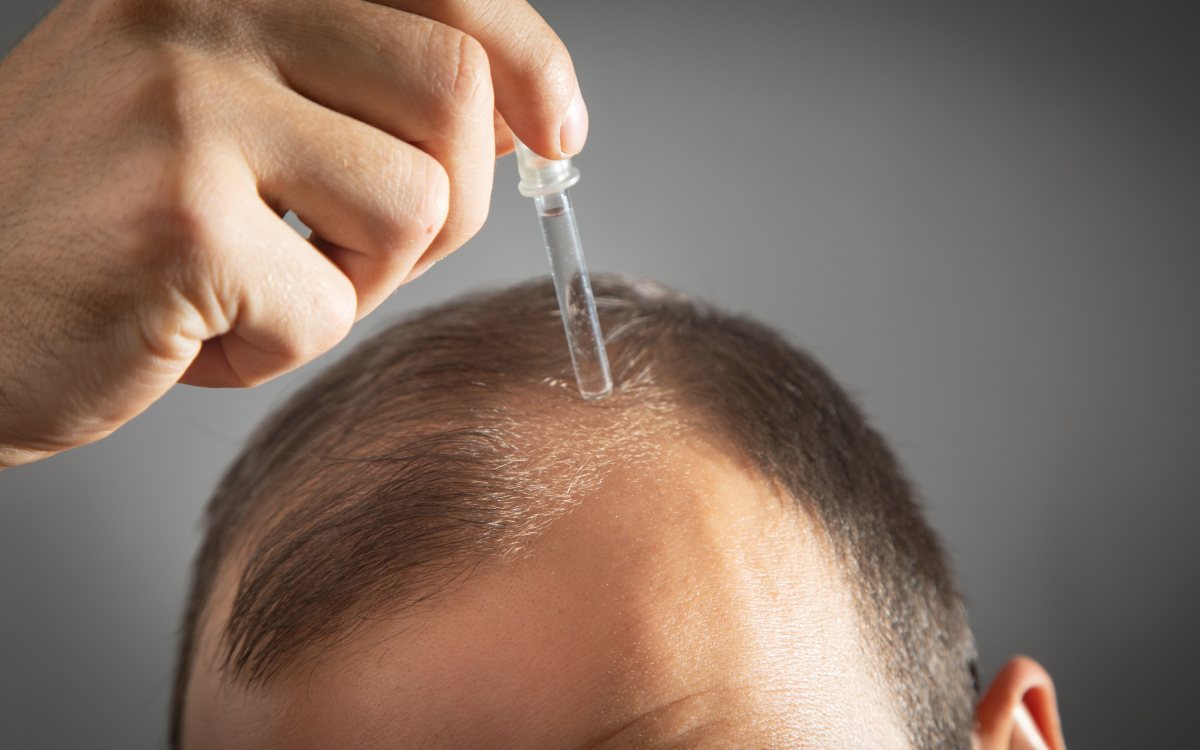
Balding – Warning signs, causes, and management options

Losing around 50 to 100 strands of hair daily is quite normal. However, large clumps of hair on the pillow, in the shower drain, or on the brush can be a cause for concern and lead to balding in men and women. Fortunately, knowing the warning signs, causes, and management methods can help one slow hair loss and restore their confidence. Signs of balding  There are many early signs that can be observed before bald spots become visible. Knowing about these common indicators can be helpful. Receding hairline in men The hair along the temples appears to pull back, forming an M-shape. This usually starts in the 20s or 30s as hair along the front begins to thin gradually. Crown thinning The scalp becomes more visible at the top of the head. This happens when the hair density in this area drops. Many may see visible patches when brushing their hair or in bright light. Widening of the part in women  The central line along which hair is usually parted widens over time. Along with this, the hair starts to lose its overall thickness, appearing finer over time. Diffuse thinning Hair volume starts to decrease throughout the scalp. So, when running fingers through it or styling it in ponytails, one may notice that their hair feels less full.
Read More
02

Hemorrhoids – Symptoms, causes, and management

Hemorrhoids are swollen and enlarged veins that develop inside and outside of the rectum, which may cause a lot of discomfort and pain during stool passage. This condition results from several factors, including straining during bowel movements, inadequate fiber intake, chronic constipation, and prolonged sitting on the toilet. The good news is that the symptoms of hemorrhoids can improve over time by simply making small habit changes in daily life.​ Signs and symptoms Internal hemorrhoids typically do not cause any pain or obvious symptoms until they move outside the rectum. Since these develop inside the rectum, there is no way of knowing whether a person has the condition. Meanwhile, external hemorrhoids have several telltale signs that occur over time. A person can see small amounts of bright red blood during bowel movements. This is because swollen veins bleed easily, even with minimal friction. There is noticeable swelling around the outer area of the rectum, followed by a persistent uneasy feeling. A tender lump develops around the anus, causing pain and making it difficult to sit for extended periods. Stool or mucus leakage can worsen the discomfort. Sometimes, a person with the condition may experience a persistent feeling of incomplete bowel movement, resulting in frequent trips to the bathroom.
Read More
03

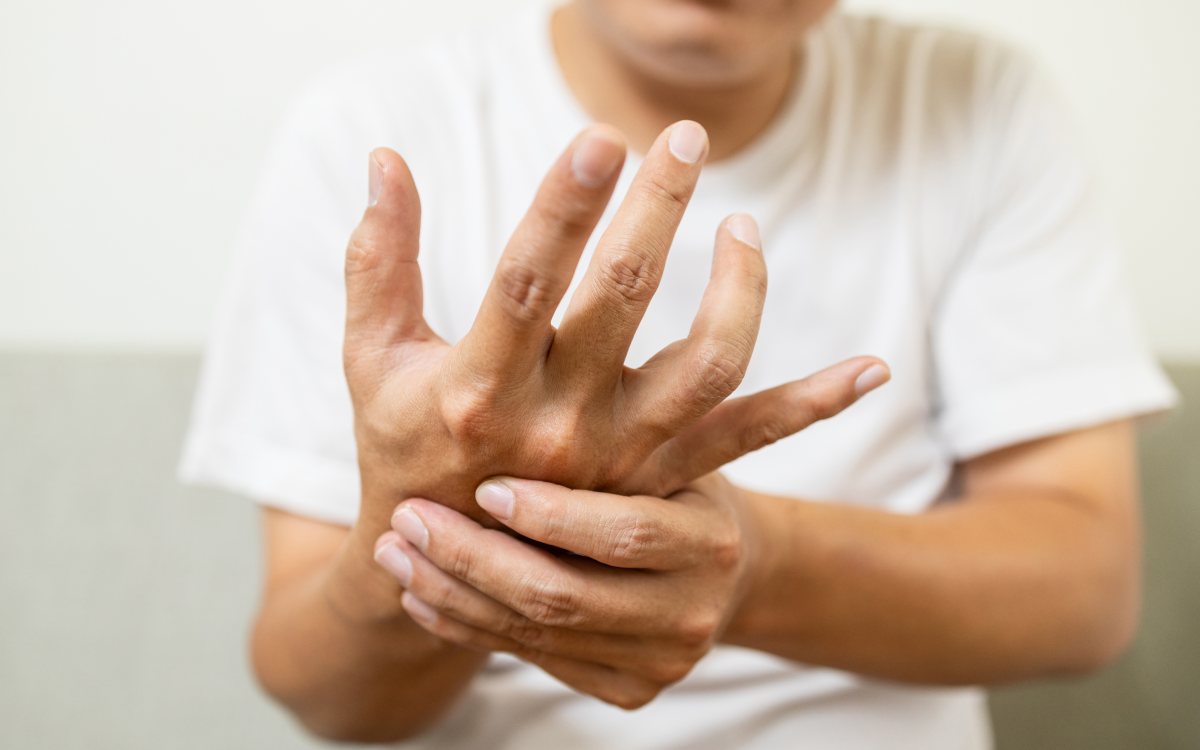
Causes and management options of hand tremors

Hand tremors or shaky hands are a symptom of a neurological disorder called essential tremor (ET), characterized by involuntary, rhythmic shaking, most commonly affecting the hands. These tremors gradually worsen, making daily tasks challenging. The onset of essential tremor can happen at any age, but it’s most commonly seen in individuals aged 40 and older. The best approach to managing the condition is to determine a suitable management plan through expert consultation. Causes Hand tremors are a symptom caused by various health conditions, including essential tremor. Other possible reasons for hand tremors include emotional stress, exposure to extreme temperatures, fatigue, and an excessive intake of stimulants like caffeinated drinks. Enhanced physiologic tremor This is one of the most commonly observed postural tremors (i.e., tremors that occur when a position is maintained against gravity). Enhanced physiologic tremor (EPT) usually affects the hands and fingers on both sides of the body. A few factors, such as chronic stress, lack of sleep, excessive caffeine intake, and vigorous exercise, can worsen EPT in some individuals. Anxiety and fatigue may also lead to shaky hands. Neurological conditions Sometimes, tremors, including shaky hands, are caused when deep parts of the brain that control movement don’t work as they should.
Read More