5 home remedies for vertigo symptoms
5 home remedies for vertigo symptoms

Problems in the inner ear or the nervous system are usually the cause of vertigo. It causes a spinning or whirling sensation and affects one’s ability to walk, stand, or focus on daily tasks. Other common symptoms of this condition include hearing loss in one or both ears, headaches, nausea, and a feeling of fullness in the ears. Fortunately, there are many easy remedies to naturally relieve vertigo at home. These remedies include specific exercises, lifestyle changes, and eating nutrient-heavy foods.

Try the Epley maneuver

The movement of calcium crystals within the inner ear causes BPPV (Benign Paroxysmal Positional Vertigo), a common type of vertigo. The Epley maneuver helps realign crystals in the inner ear, reducing vertigo symptoms. This simple exercise can be easily done at home within a few minutes. It is among the many vertigo exercises and cures that provide lasting relief for BPPV.

Steps for the exercise

  • Sit on a bed and tilt the head at 45 degrees toward the side where the vertigo is experienced.
  • Lie back quickly with the head still turned. The shoulders should be on the bed, and the head hangs slightly over the edge. It’s vital to stay in this position for 30 seconds.
  • Turn the head to the opposite side without lifting it.
  • Turn the entire body to the side the head is turned toward, relax in this position for an additional 30 seconds, and sit back up slowly.

One should consult a trained and experienced physician before doing this exercise.

Hydrate

Dehydration is a common cause of vertigo. A common way to reduce symptoms is to drink water consistently throughout the day. A good rule of thumb for the amount of water to consume is to monitor the color of one’s urine and drink enough water so that it is faint yellow and clear.

One should also closely monitor their daily water intake and drink more if they live in hot, humid conditions or in situations that make them sweat freely. Maintaining timed drinking breaks throughout the day helps build the habit of frequent hydration.

Try the Brandt-Daroff exercise

Doing the movements involved in this exercise for about three to five times in a session can help if one has vertigo. They can have three sessions a day for up to two weeks, or until the vertigo is gone, and the symptoms do not reappear for more than two days. One should consult a physician to know the exact details before doing this exercise.

Steps for the exercise

  • Sit upright on the bed and tilt the head to a 45-degree angle away from the side where vertigo occurs.
  • Move into a lying position on that side with the nose pointing up.
  • Stay in this position for 30 seconds or until the symptoms ease.
  • Move back to the seated position and repeat the steps for the other side.

Have ginger tea

Consuming ginger root in any form is an effective natural treatment to reduce vertigo symptoms. One can consume ginger in multiple ways. Ginger tea is often among the beverages given to ease dizziness, nausea, and headaches. All one needs to do is steep ginger root in boiling water and drink the mixture as it is. If the taste is too bitter, adding some honey can make the drink even more palatable. Drinking ginger tea twice a day can gradually improve vertigo symptoms.

Focus on a fixed point

It is also known as gaze stabilization and is an underrated yet one of the most effective vertigo home treatments. This home remedy for natural vertigo relief involves staring at a fixed visual reference point.

Here’s how it works. When moving, such as standing up or turning the head, one should pick an object in their line of sight to focus on until the dizziness subsides. This technique helps one’s brain reorient itself and reduce the sensation of spinning or instability. Practising this strategy during daily activities can help one build greater control over vertigo symptoms.


Popular Articles

01

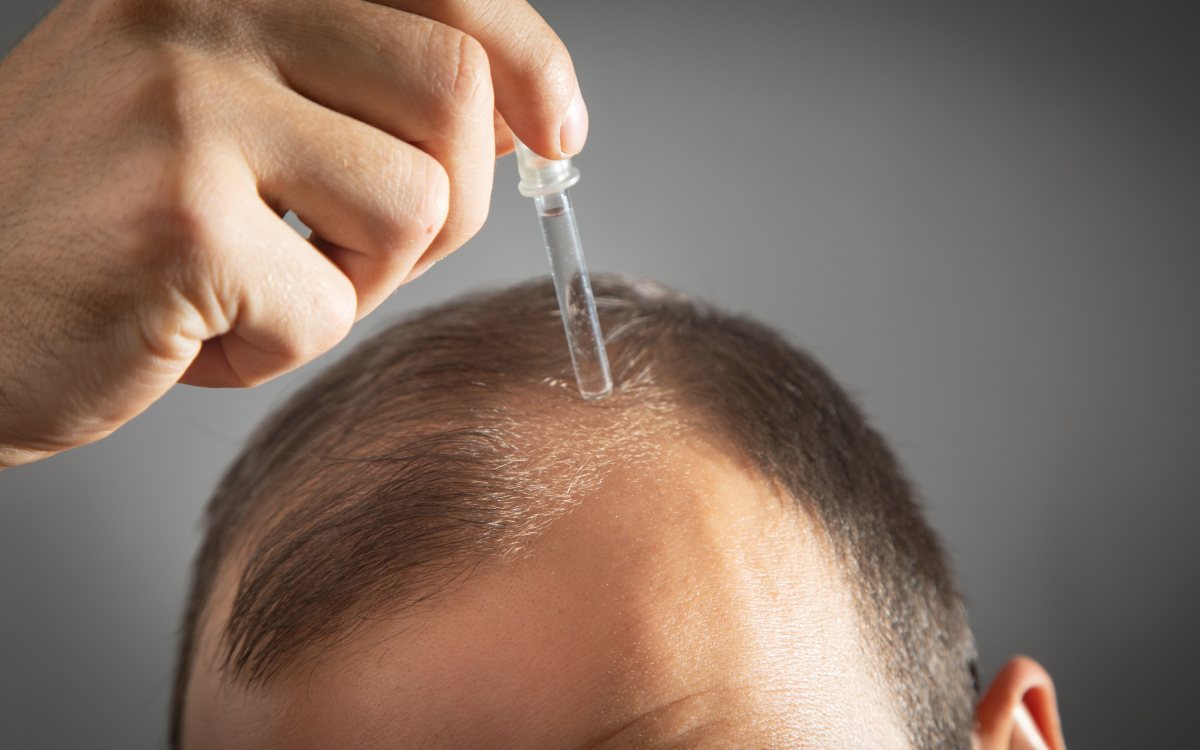
Balding – Warning signs, causes, and management options

Losing around 50 to 100 strands of hair daily is quite normal. However, large clumps of hair on the pillow, in the shower drain, or on the brush can be a cause for concern and lead to balding in men and women. Fortunately, knowing the warning signs, causes, and management methods can help one slow hair loss and restore their confidence. Signs of balding  There are many early signs that can be observed before bald spots become visible. Knowing about these common indicators can be helpful. Receding hairline in men The hair along the temples appears to pull back, forming an M-shape. This usually starts in the 20s or 30s as hair along the front begins to thin gradually. Crown thinning The scalp becomes more visible at the top of the head. This happens when the hair density in this area drops. Many may see visible patches when brushing their hair or in bright light. Widening of the part in women  The central line along which hair is usually parted widens over time. Along with this, the hair starts to lose its overall thickness, appearing finer over time. Diffuse thinning Hair volume starts to decrease throughout the scalp. So, when running fingers through it or styling it in ponytails, one may notice that their hair feels less full.
Read More
02

Hemorrhoids – Symptoms, causes, and management

Hemorrhoids are swollen and enlarged veins that develop inside and outside of the rectum, which may cause a lot of discomfort and pain during stool passage. This condition results from several factors, including straining during bowel movements, inadequate fiber intake, chronic constipation, and prolonged sitting on the toilet. The good news is that the symptoms of hemorrhoids can improve over time by simply making small habit changes in daily life.​ Signs and symptoms Internal hemorrhoids typically do not cause any pain or obvious symptoms until they move outside the rectum. Since these develop inside the rectum, there is no way of knowing whether a person has the condition. Meanwhile, external hemorrhoids have several telltale signs that occur over time. A person can see small amounts of bright red blood during bowel movements. This is because swollen veins bleed easily, even with minimal friction. There is noticeable swelling around the outer area of the rectum, followed by a persistent uneasy feeling. A tender lump develops around the anus, causing pain and making it difficult to sit for extended periods. Stool or mucus leakage can worsen the discomfort. Sometimes, a person with the condition may experience a persistent feeling of incomplete bowel movement, resulting in frequent trips to the bathroom.
Read More
03

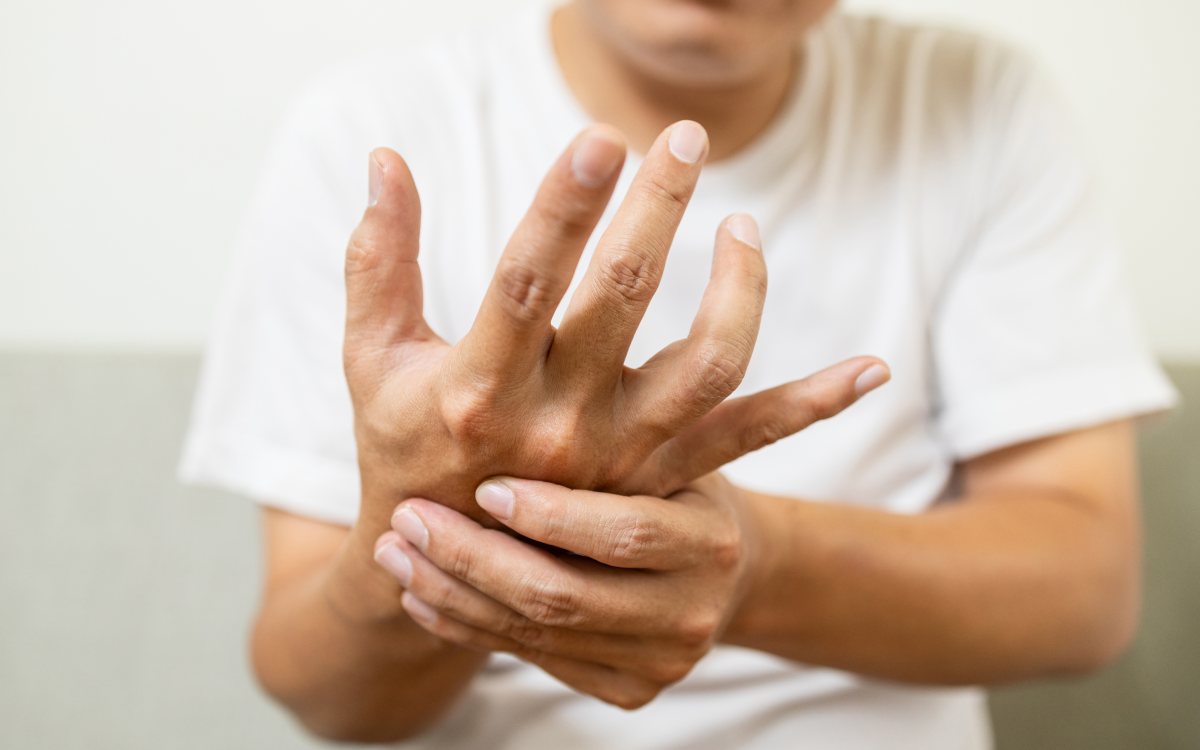
Causes and management options of hand tremors

Hand tremors or shaky hands are a symptom of a neurological disorder called essential tremor (ET), characterized by involuntary, rhythmic shaking, most commonly affecting the hands. These tremors gradually worsen, making daily tasks challenging. The onset of essential tremor can happen at any age, but it’s most commonly seen in individuals aged 40 and older. The best approach to managing the condition is to determine a suitable management plan through expert consultation. Causes Hand tremors are a symptom caused by various health conditions, including essential tremor. Other possible reasons for hand tremors include emotional stress, exposure to extreme temperatures, fatigue, and an excessive intake of stimulants like caffeinated drinks. Enhanced physiologic tremor This is one of the most commonly observed postural tremors (i.e., tremors that occur when a position is maintained against gravity). Enhanced physiologic tremor (EPT) usually affects the hands and fingers on both sides of the body. A few factors, such as chronic stress, lack of sleep, excessive caffeine intake, and vigorous exercise, can worsen EPT in some individuals. Anxiety and fatigue may also lead to shaky hands. Neurological conditions Sometimes, tremors, including shaky hands, are caused when deep parts of the brain that control movement don’t work as they should.
Read More