5 simple lifestyle habits for better health
5 simple lifestyle habits for better health

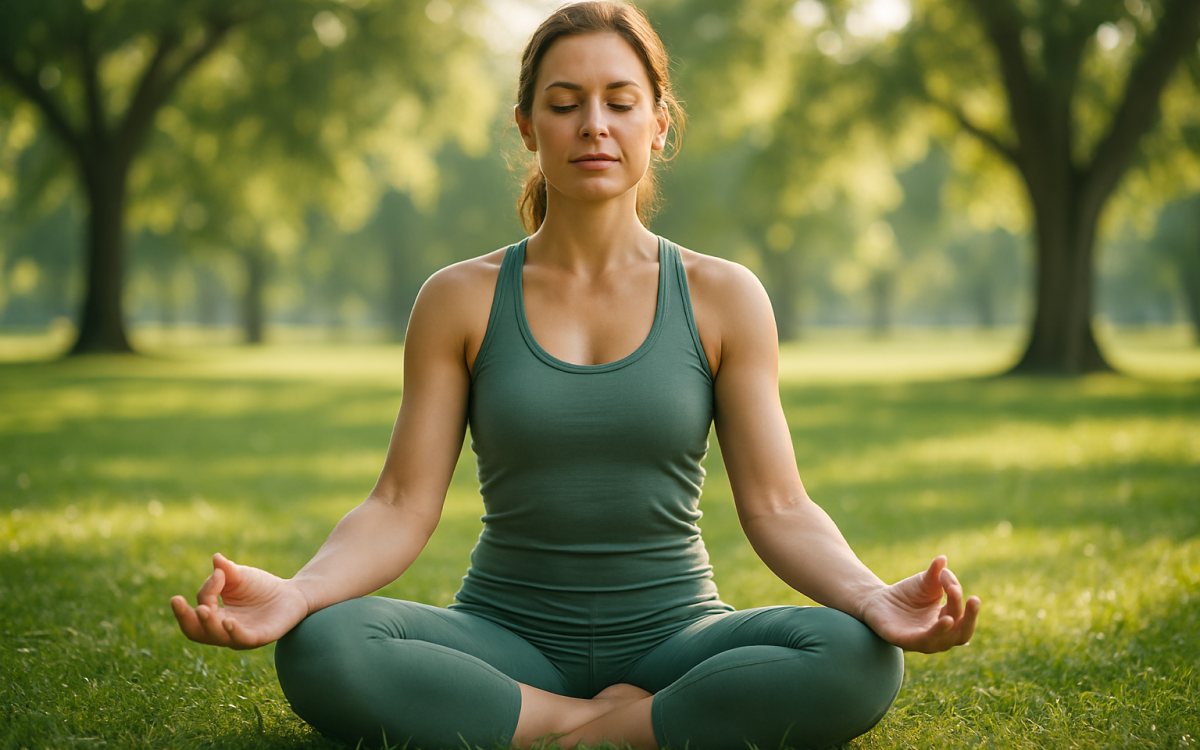
Individuals who want to improve their health do not need to follow complex or costly routines. Simple habits, such as eating nutritious foods, drinking enough water, exercising, and sleeping well, are enough to achieve this goal. These small lifestyle changes can lead to better health in the long run without requiring a big investment of time and money. That said, individuals must be consistent to see lasting results.

Starting the day with water

The body is slightly dehydrated after going all night without fluid intake. That’s why starting the day with a glass of water is a good habit. Rehydrating first thing in the morning boosts metabolism, helps the body regulate temperature, and gets basic functions “switched on” for the day. However, just drinking a glass of water in the morning is not enough. Individuals should carry a bottle of water with them wherever they go to stay hydrated throughout the day. Doing so can help prevent dehydration symptoms, such as headaches, fatigue, and mental fog.

Stretching after waking up

Stretching is another sustainable, healthy habit to start the day with. Morning stretches ease stiffness, increase range of motion, and help drive away sleepiness. Instead of complex stretches, individuals can perform simple ones that clear the mind and prepare the body for the day ahead. Some gentle options include forward flow stretches, cat-cow stretches, seated twists, neck rolls, and shoulder rolls. These stretches can also be performed later in the day to promote flexibility, enhance focus and mental clarity, and stretch the spine.

Adding variety to meals

Nutrition is something that cannot be overlooked when making daily changes for improved wellness. Individuals must eat foods that support the immune system and avoid those that harm it. Following the “colorful plate” rule is a good way to choose foods. This rule encourages filling the plate with a variety of naturally colorful fruits and vegetables, since each color packs a different set of nutrients. For example, green fruits and vegetables are rich in vitamins A, K, and C, which promote digestion and strengthen the immune system. Similarly, red fruits and vegetables contain the antioxidant lycopene, which helps protect against free radical damage. Choosing colorful fruits and veggies ensures the body receives a diverse range of vitamins and minerals.

Reaching for healthy snacks

Snacking can be a great way to improve health over time, provided individuals choose the right snacks. Nutrient-rich foods, such as Greek yogurt and fruits, are great for snacking, as they provide the body with energy and essential vitamins and nutrients. Whole foods, such as nuts and berries, are also recommended alternatives to snacks with empty calories. These options can keep hunger pangs at bay while nourishing the body.

Besides choosing the right snacks, individuals should stick to the appropriate portion sizes. Portion sizes matter because even healthy snacks can add to excess caloric intake, increasing the risk of health problems.

Performing micro workouts

Exercise is as important as nutrition for good health. But this does not mean individuals need to indulge in lengthy or challenging workouts. Simple 10- to 15-minute routines comprising exercises like squats, lunges, push-ups, and walks are sufficient. When done every day, these exercises can help improve fitness levels, improve metabolism, lower blood sugar, and maintain cholesterol levels. Individuals can also incorporate breathing exercises into their daily routines, as they help relieve stress, regulate the nervous system, improve pulmonary function, and boost immunity.

When making lifestyle changes, individuals should start small. This makes the process less overwhelming, builds real momentum, and fits into busy lives without causing burnout. As time passes and the habits become internalized, individuals can set bigger goals.


Popular Articles

01

Hemorrhoids – Symptoms, causes, and management

Hemorrhoids are swollen and enlarged veins that develop inside and outside of the rectum, which may cause a lot of discomfort and pain during stool passage. This condition results from several factors, including straining during bowel movements, inadequate fiber intake, chronic constipation, and prolonged sitting on the toilet. The good news is that the symptoms of hemorrhoids can improve over time by simply making small habit changes in daily life.​ Signs and symptoms Internal hemorrhoids typically do not cause any pain or obvious symptoms until they move outside the rectum. Since these develop inside the rectum, there is no way of knowing whether a person has the condition. Meanwhile, external hemorrhoids have several telltale signs that occur over time. A person can see small amounts of bright red blood during bowel movements. This is because swollen veins bleed easily, even with minimal friction. There is noticeable swelling around the outer area of the rectum, followed by a persistent uneasy feeling. A tender lump develops around the anus, causing pain and making it difficult to sit for extended periods. Stool or mucus leakage can worsen the discomfort. Sometimes, a person with the condition may experience a persistent feeling of incomplete bowel movement, resulting in frequent trips to the bathroom.
Read More
02

Causes and management options of hand tremors

Hand tremors or shaky hands are a symptom of a neurological disorder called essential tremor (ET), characterized by involuntary, rhythmic shaking, most commonly affecting the hands. These tremors gradually worsen, making daily tasks challenging. The onset of essential tremor can happen at any age, but it’s most commonly seen in individuals aged 40 and older. The best approach to managing the condition is to determine a suitable management plan through expert consultation. Causes Hand tremors are a symptom caused by various health conditions, including essential tremor. Other possible reasons for hand tremors include emotional stress, exposure to extreme temperatures, fatigue, and an excessive intake of stimulants like caffeinated drinks. Enhanced physiologic tremor This is one of the most commonly observed postural tremors (i.e., tremors that occur when a position is maintained against gravity). Enhanced physiologic tremor (EPT) usually affects the hands and fingers on both sides of the body. A few factors, such as chronic stress, lack of sleep, excessive caffeine intake, and vigorous exercise, can worsen EPT in some individuals. Anxiety and fatigue may also lead to shaky hands. Neurological conditions Sometimes, tremors, including shaky hands, are caused when deep parts of the brain that control movement don’t work as they should.
Read More
03

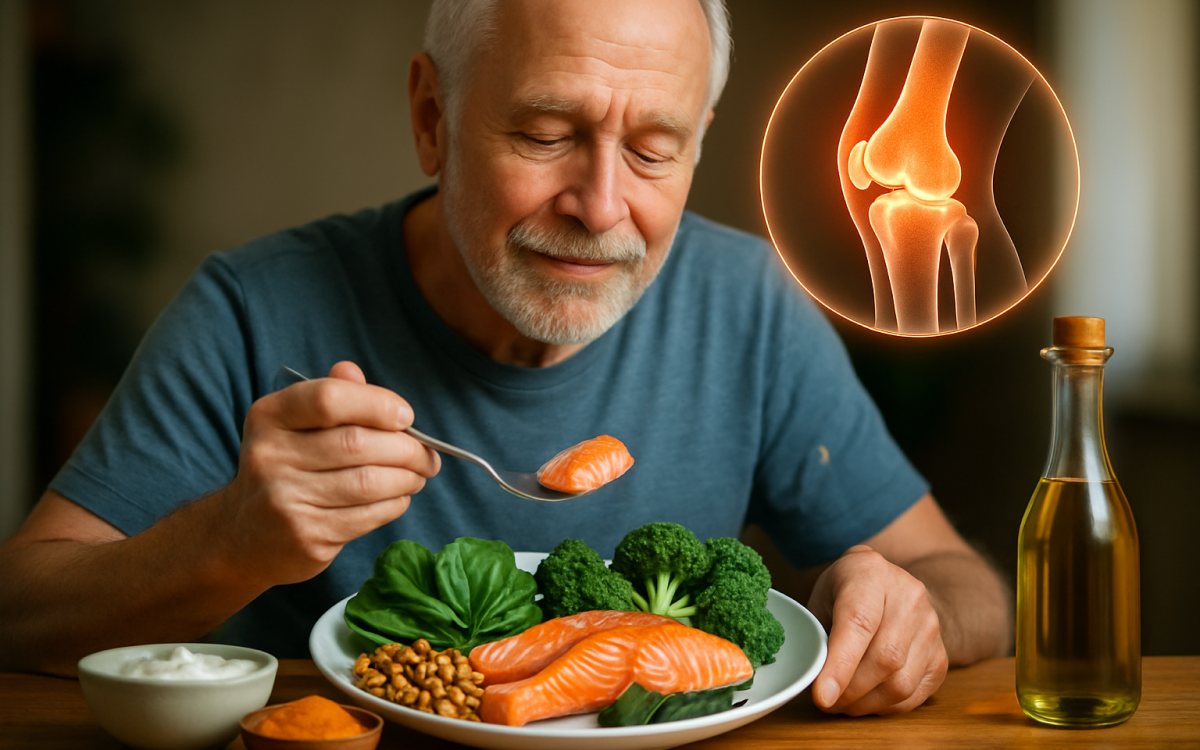
4 daily habits that improve physical health

Good physical health comes from small, steady habits rather than dramatic transformations or intense effort. Certain healthy habits, such as drinking enough water daily, getting enough sleep, and eating balanced foods, can do more for one’s body than intense physical workouts for a few weeks, only to give up the habit ultimately. Here, consistency is the most vital element for those who want to improve their overall physical and mental health. Engaging in regular movement Physical activity does not have to be strenuous to be effective. Atleast 30 minutes of physical activity can keep the body fit and functional. The key here is to establish a consistent routine and complete daily exercises or other physical activity according to the schedule. One can follow certain helpful tips to keep movement consistent and enjoyable. Engage in regular physical activities like walking with friends, swimming for 30 minutes every day, cycling in a safe space for a dedicated period each day, or dancing or other forms of aerobic exercise. Doing these activities at a moderate intensity for at least 30 minutes, three to five days per week, is more than enough to improve the health of one’s joints, bones, muscles, and digestion. One can also incorporate strength-training exercises to build and maintain muscle mass.
Read More