5 ways to manage type 2 diabetes
5 ways to manage type 2 diabetes

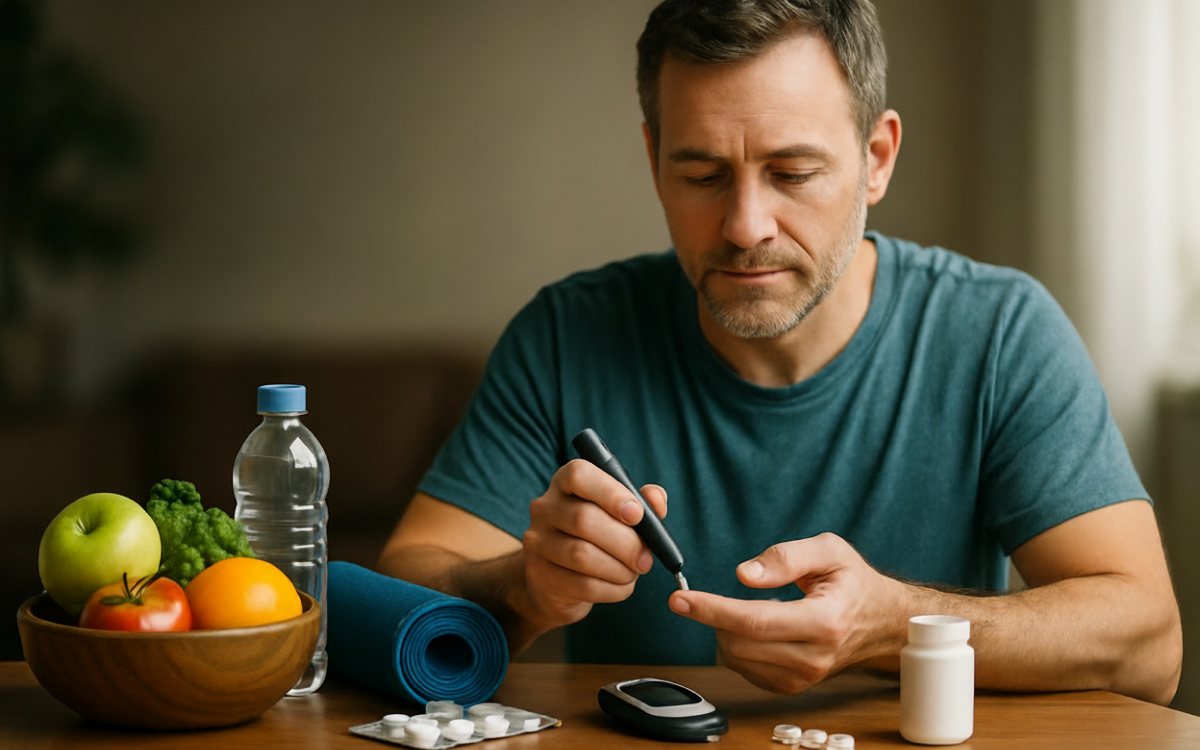
Type 2 diabetes develops when the body becomes resistant to insulin, the hormone that regulates blood glucose levels. If it remains unchecked, this condition can affect the eyes, kidneys, and heart. Therefore, timely management becomes important. While healthcare plans may still be necessary, combining them with the right lifestyle changes can have a significant impact. Incorporating consistent daily habits, even small, mindful adjustments, can gradually improve the body’s response to insulin and prevent blood sugar from rising.

Exercise regularly

The benefits of regular exercise are no secret, and one of the most important for affected individuals is its ability to regulate blood sugar levels. Physical activity helps the body use glucose for energy, which naturally lowers the sugar levels. Additionally, regular exercise improves the body’s response to insulin, which further helps in keeping blood sugar under control. This is why maintaining an active lifestyle is an important part of lifestyle management for those with type 2 diabetes.

Exercising does not necessarily mean engaging in weight training and intense workouts. Even simple activities such as brisk walking, jogging, or cycling can make a noticeable difference. The key here is to ensure that these activities are performed regularly. Even 30 minutes of physical activity a day, for at least five days a week, can help.

Avoid sitting for long periods

A sedentary lifestyle is also one of the major causes of the onset of type 2 diabetes, as it reduces the body’s ability to absorb or regulate sugar levels and increases visceral fat. 

Maintaining blood sugar levels can be achieved through simple daily habits. One effective habit is to take breaks from sitting for long periods. Small yet effective actions, such as standing up, stretching, or taking a short walk every half hour, can prevent spikes in blood sugar levels. Additionally, incorporating small changes, like walking during phone calls, can make a significant difference.

Include fiber-rich foods

Natural sources of fiber offer many benefits, particularly for those with type 2 diabetes. To begin with, it helps slow down the absorption of sugars from food, thereby maintaining blood sugar levels and preventing rapid spikes. Next, it aids in reducing the absorption of fats and cholesterol in the body, thereby supporting heart health by promoting better blood circulation. In addition to these benefits, dietary fiber promotes feelings of fullness and satiety, which prevents overeating (a cause for high blood sugar levels). So, including fiber-rich foods (in meals) such as non-starchy vegetables (leafy greens, broccoli, and cauliflower), whole grains (oats, brown rice, and whole-wheat bread), and legumes (lentils, chickpeas, and beans) can help manage type 2 diabetes naturally.

Maintain carbohydrate count

Affected individuals should try to monitor their carbohydrate intake. This is because carbs often affect blood sugar levels more than other nutrients, as the body directly converts them into glucose. By keeping track of its intake, individuals can better control how much sugar they indirectly consume. That said, it’s also important to remember that not all carbohydrates are the same. Carbs present in sources like whole grains, vegetables, and fruits come with fiber content, which helps reduce their absorption. On the other hand, refined carbs, found in foods like white bread, cakes, and white pasta, can raise blood sugar quickly.

Regularly monitor blood sugar levels

Keeping a close watch on blood sugar levels is more of a long-term approach to diabetes care. Regular monitoring, which includes a fasting test and random checks, helps keep a track of sudden spikes in sugar levels and prevent such surges in the future. In addition to blood glucose testing, regular HbA1c testing is important, as it reflects average blood glucose levels over a longer period.


Popular Articles

01

Hemorrhoids – Symptoms, causes, and management

Hemorrhoids are swollen and enlarged veins that develop inside and outside of the rectum, which may cause a lot of discomfort and pain during stool passage. This condition results from several factors, including straining during bowel movements, inadequate fiber intake, chronic constipation, and prolonged sitting on the toilet. The good news is that the symptoms of hemorrhoids can improve over time by simply making small habit changes in daily life.​ Signs and symptoms Internal hemorrhoids typically do not cause any pain or obvious symptoms until they move outside the rectum. Since these develop inside the rectum, there is no way of knowing whether a person has the condition. Meanwhile, external hemorrhoids have several telltale signs that occur over time. A person can see small amounts of bright red blood during bowel movements. This is because swollen veins bleed easily, even with minimal friction. There is noticeable swelling around the outer area of the rectum, followed by a persistent uneasy feeling. A tender lump develops around the anus, causing pain and making it difficult to sit for extended periods. Stool or mucus leakage can worsen the discomfort. Sometimes, a person with the condition may experience a persistent feeling of incomplete bowel movement, resulting in frequent trips to the bathroom.
Read More
02

Causes and management options of hand tremors

Hand tremors or shaky hands are a symptom of a neurological disorder called essential tremor (ET), characterized by involuntary, rhythmic shaking, most commonly affecting the hands. These tremors gradually worsen, making daily tasks challenging. The onset of essential tremor can happen at any age, but it’s most commonly seen in individuals aged 40 and older. The best approach to managing the condition is to determine a suitable management plan through expert consultation. Causes Hand tremors are a symptom caused by various health conditions, including essential tremor. Other possible reasons for hand tremors include emotional stress, exposure to extreme temperatures, fatigue, and an excessive intake of stimulants like caffeinated drinks. Enhanced physiologic tremor This is one of the most commonly observed postural tremors (i.e., tremors that occur when a position is maintained against gravity). Enhanced physiologic tremor (EPT) usually affects the hands and fingers on both sides of the body. A few factors, such as chronic stress, lack of sleep, excessive caffeine intake, and vigorous exercise, can worsen EPT in some individuals. Anxiety and fatigue may also lead to shaky hands. Neurological conditions Sometimes, tremors, including shaky hands, are caused when deep parts of the brain that control movement don’t work as they should.
Read More
03

4 daily habits that improve physical health

Good physical health comes from small, steady habits rather than dramatic transformations or intense effort. Certain healthy habits, such as drinking enough water daily, getting enough sleep, and eating balanced foods, can do more for one’s body than intense physical workouts for a few weeks, only to give up the habit ultimately. Here, consistency is the most vital element for those who want to improve their overall physical and mental health. Engaging in regular movement Physical activity does not have to be strenuous to be effective. Atleast 30 minutes of physical activity can keep the body fit and functional. The key here is to establish a consistent routine and complete daily exercises or other physical activity according to the schedule. One can follow certain helpful tips to keep movement consistent and enjoyable. Engage in regular physical activities like walking with friends, swimming for 30 minutes every day, cycling in a safe space for a dedicated period each day, or dancing or other forms of aerobic exercise. Doing these activities at a moderate intensity for at least 30 minutes, three to five days per week, is more than enough to improve the health of one’s joints, bones, muscles, and digestion. One can also incorporate strength-training exercises to build and maintain muscle mass.
Read More