6 reasons why regular health checkups are important

6 reasons why regular health checkups are important

People generally go for a health checkup only when they suspect something is amiss with their health or when a doctor recommends one. They believe that if they feel fine, they are healthy and do not need a screening. However, health checkups need to be viewed differently, not just as a last-minute measure when ill. Done regularly, health checkups can be life-saving. They can help detect and prevent severe conditions and keep individuals attuned to their body’s functioning.

Detects serious conditions early

Many health conditions have no symptoms until they progress to an advanced stage, so individuals may not even know they are ill. This is true even in the case of certain severe conditions, such as cancer, fatty liver disease, and heart disease. For this very reason, hypertension is called a “silent killer.” 

Here’s where preventive health screenings can benefit individuals. These screenings can detect silent conditions before they progress to an advanced stage or pose a big risk. Often, early detection also improves the chances of successful treatment.

Spots hereditary disorders

Regular health screenings are especially important for individuals at risk of genetic or hereditary conditions, such as diabetes, cancer, and Down syndrome. Individuals are at a higher risk of developing these conditions if someone in their family has them. Getting routine health checkups can help them spot these conditions and seek timely treatment. 

Identifies the risk of future conditions

Health checkups not only detect existing conditions but also help identify whether individuals are at risk of developing a particular disease later. For example, the HbA1c blood test shows whether someone is at risk of diabetes. By identifying the risk of a condition before it develops, individuals can take the required steps to prevent its onset. Those at risk of diabetes, for instance, can begin adjusting their food habits and activity levels. Once risks are identified, individuals should get regular health checkups in the long term, as they help determine whether those risks have increased or decreased.

Assesses the effectiveness of ongoing treatment

Regular checkups play a crucial role in managing long-term health conditions, such as diabetes and hypertension. They help healthcare professionals track how well their recommended treatments are working and determine whether any changes are needed. They also help individuals know whether the lifestyle changes they have made, such as avoiding sweets to manage diabetes, are effective or if they need to make further adjustments.

Identifies nutritional deficiencies

Nutritional deficiencies can be easy to overlook, mainly because their symptoms are often unclear and can be mistaken for other common conditions. A deficiency of vitamin D, for instance, can cause muscle weakness, fatigue, and mood changes. Similarly, a deficiency of zinc can manifest as lowered immunity, hair loss, loss of appetite, and loss of taste.

Individuals generally associate symptoms like mood changes, hair loss, and fatigue with stress. However, health checkups can reveal that nutrient deficiencies are actually causing these changes. If individuals get routine health checkups, they can learn about deficiencies early. This can allow them enough time to reverse those deficiencies before they begin to affect everyday life and health.

Helps save money

Many health issues, when identified early, require simpler treatment and less intensive care than they would if identified later. This helps individuals save money in the long run and avoid financial strain. Moreover, several health insurance plans cover the entire cost of annual routine checkups and preventive screenings with no out-of-pocket costs, provided they are done at in-network clinics. This makes early detection through routine tests more accessible for all.


Popular Articles

01

Balding – Warning signs, causes, and management options

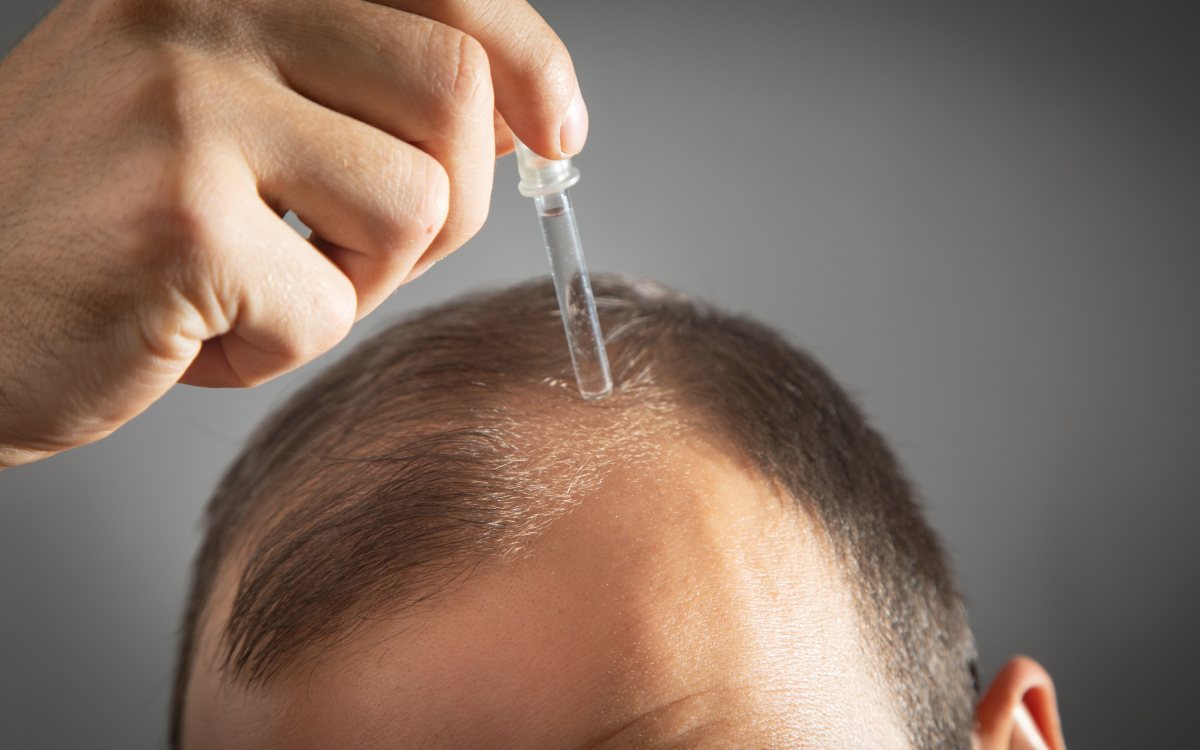
Losing around 50 to 100 strands of hair daily is quite normal. However, large clumps of hair on the pillow, in the shower drain, or on the brush can be a cause for concern and lead to balding in men and women. Fortunately, knowing the warning signs, causes, and management methods can help one slow hair loss and restore their confidence. Signs of balding  There are many early signs that can be observed before bald spots become visible. Knowing about these common indicators can be helpful. Receding hairline in men The hair along the temples appears to pull back, forming an M-shape. This usually starts in the 20s or 30s as hair along the front begins to thin gradually. Crown thinning The scalp becomes more visible at the top of the head. This happens when the hair density in this area drops. Many may see visible patches when brushing their hair or in bright light. Widening of the part in women  The central line along which hair is usually parted widens over time. Along with this, the hair starts to lose its overall thickness, appearing finer over time. Diffuse thinning Hair volume starts to decrease throughout the scalp. So, when running fingers through it or styling it in ponytails, one may notice that their hair feels less full.
Read More
02

Hemorrhoids – Symptoms, causes, and management

Hemorrhoids are swollen and enlarged veins that develop inside and outside of the rectum, which may cause a lot of discomfort and pain during stool passage. This condition results from several factors, including straining during bowel movements, inadequate fiber intake, chronic constipation, and prolonged sitting on the toilet. The good news is that the symptoms of hemorrhoids can improve over time by simply making small habit changes in daily life.​ Signs and symptoms Internal hemorrhoids typically do not cause any pain or obvious symptoms until they move outside the rectum. Since these develop inside the rectum, there is no way of knowing whether a person has the condition. Meanwhile, external hemorrhoids have several telltale signs that occur over time. A person can see small amounts of bright red blood during bowel movements. This is because swollen veins bleed easily, even with minimal friction. There is noticeable swelling around the outer area of the rectum, followed by a persistent uneasy feeling. A tender lump develops around the anus, causing pain and making it difficult to sit for extended periods. Stool or mucus leakage can worsen the discomfort. Sometimes, a person with the condition may experience a persistent feeling of incomplete bowel movement, resulting in frequent trips to the bathroom.
Read More
03

Causes and management options of hand tremors

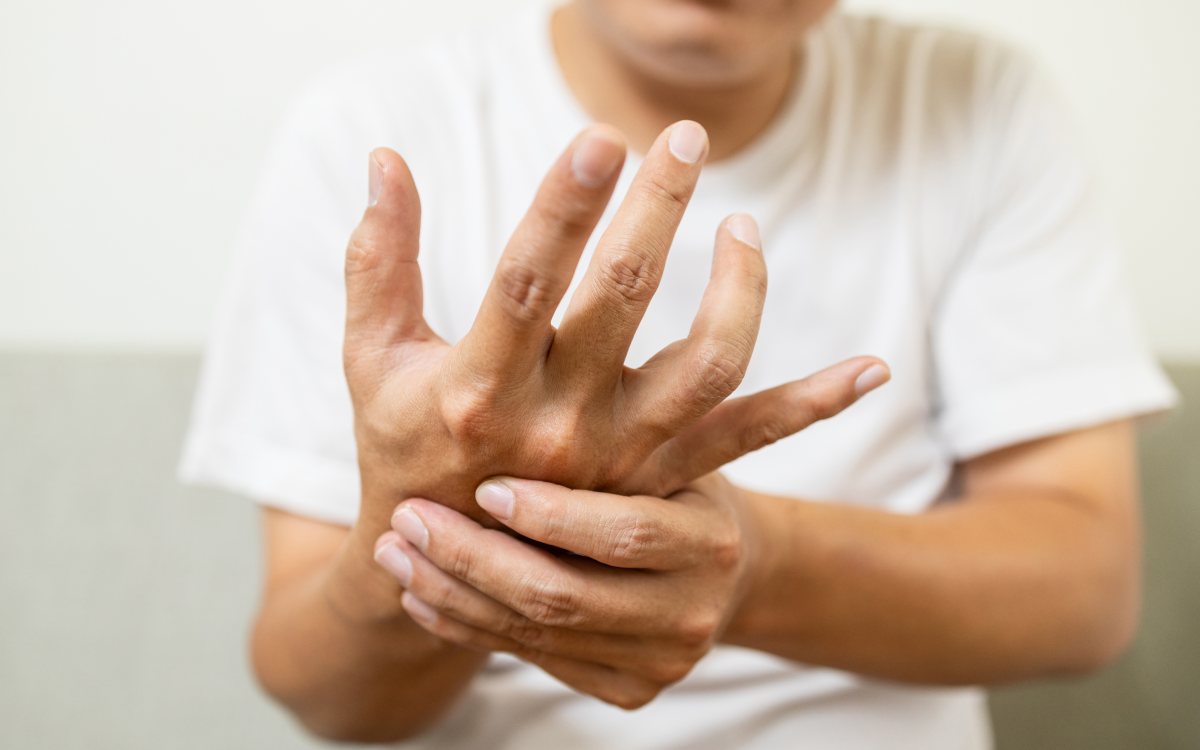
Hand tremors or shaky hands are a symptom of a neurological disorder called essential tremor (ET), characterized by involuntary, rhythmic shaking, most commonly affecting the hands. These tremors gradually worsen, making daily tasks challenging. The onset of essential tremor can happen at any age, but it’s most commonly seen in individuals aged 40 and older. The best approach to managing the condition is to determine a suitable management plan through expert consultation. Causes Hand tremors are a symptom caused by various health conditions, including essential tremor. Other possible reasons for hand tremors include emotional stress, exposure to extreme temperatures, fatigue, and an excessive intake of stimulants like caffeinated drinks. Enhanced physiologic tremor This is one of the most commonly observed postural tremors (i.e., tremors that occur when a position is maintained against gravity). Enhanced physiologic tremor (EPT) usually affects the hands and fingers on both sides of the body. A few factors, such as chronic stress, lack of sleep, excessive caffeine intake, and vigorous exercise, can worsen EPT in some individuals. Anxiety and fatigue may also lead to shaky hands. Neurological conditions Sometimes, tremors, including shaky hands, are caused when deep parts of the brain that control movement don’t work as they should.
Read More