7 foods that promote glowing skin
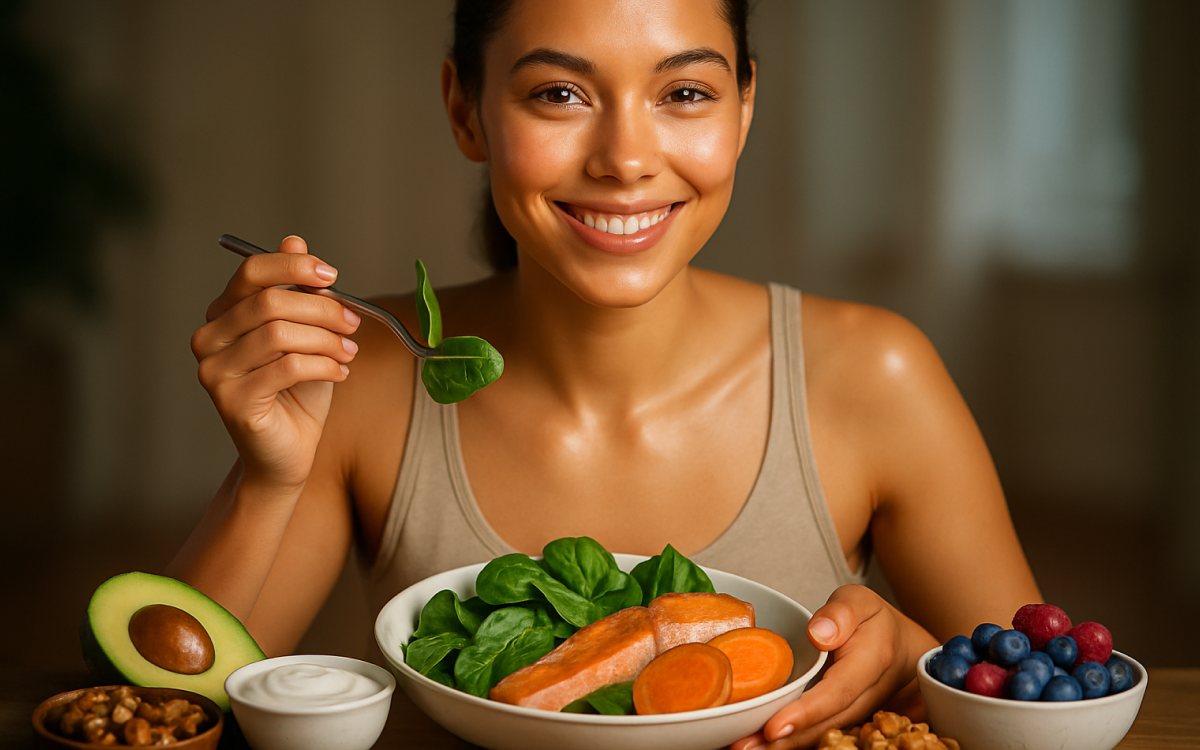
7 foods that promote glowing skin

Multiple factors influence skin health, and no single product or procedure can singlehandedly protect or improve an individual’s skin. It is important to balance these with healthy meals, stress-management techniques, adequate sleep, and good lifestyle habits. A balanced, nutrient-dense meal plan can significantly contribute to glowing skin. There are various foods to consider, but it is important to consult a nutritionist to determine the best option for an individual’s unique situation.

7 foods for glowing skin

Avocado

Avocados serve as a nutritional powerhouse, providing essential macronutrients that nourish the skin from within, promoting elasticity and a youthful complexion. They are high in Vitamins E and C, two antioxidants that help keep skin radiant. The alligator pear also contains compounds that maintain hydration and reduce inflammation. Individuals can incorporate avocados into their routine through smoothies, salads, or toasts. They can also mash and mix the fruit with honey to create a face mask for glowing skin.

Bell pepper

Bell peppers are an excellent source of vitamin C. This antioxidant helps fight oxidative stress and damage caused by free radicals. Just half a cup of bell pepper alone can help meet a person’s daily vitamin C requirements. Vitamin C also protects a person’s skin against UV exposure and speeds up wound healing. Individuals can use bell peppers while preparing smoothies, omelets, or soups.

Kiwi

Kiwis pack in more vitamin C than oranges. This nutrient supports the production of collagen, a protein essential for maintaining skin elasticity. With age, a person’s skin’s natural collagen reserves begin to decline, eventually leading to the formation of wrinkles. The fruit also contains vitamin E, which helps lock in moisture and nourish the skin. This helps reduce dryness and flakiness. These antioxidants also help prevent oxidative stress and damage caused by free radicals and reverse skin dullness. Individuals can eat 1 to 2 medium kiwis per day or use them to make smoothies, pudding, or toast.

Tomatoe

Tomatoes are high in lycopene, an antioxidant that protects the skin from sun damage and may enhance the effectiveness of sunscreen. It neutralizes harmful free radicals and provides long-term protection against UV rays. It is advised to store tomatoes at room temperature, away from sunlight, to maintain their lycopene content. Individuals can include sliced tomatoes in salads or drink freshly squeezed tomato juice to support hydration and improve skin tone. Cooking tomatoes helps the body absorb lycopene more effectively.

Walnuts

Walnuts are a reliable source of plant-based omega-3 fatty acids, which keep the skin hydrated and protect it from irritants. Additionally, omega-3 fatty acids are known for maintaining the skin’s protective barrier. The polyphenols in walnuts fight the free radicals, reducing oxidative damage and inflammation. A small handful of raw walnuts serves as a skin-calming snack to enjoy during breaks.

Spinach

Spinach is a powerful, nutrient-dense ally for glowing skin. A rich source of vitamin C, spinach helps boost collagen production in the skin and fight oxidative damage caused by free radicals. It also contains beta-carotene, which supports cell turnover. Spinach can be added to morning smoothies, eggs, salads, soups, or pasta dishes as part of daily meals.

Sweet potatoes

Incorporating sweet potatoes into the daily meal plan is a simple, natural way to achieve a radiant, healthy glow. These superfoods are high in beta-carotene. This is a powerful antioxidant that improves cell turnover and skin repair. They also contain vitamin C, which helps keep the skin firm, tight, and elastic. Sweet potatoes can be easily integrated into any meal, from breakfast smoothies and omelets to roasted sides, creamy soups, salads, and snacks.


Popular Articles

01

Hemorrhoids – Symptoms, causes, and management

Hemorrhoids are swollen and enlarged veins that develop inside and outside of the rectum, which may cause a lot of discomfort and pain during stool passage. This condition results from several factors, including straining during bowel movements, inadequate fiber intake, chronic constipation, and prolonged sitting on the toilet. The good news is that the symptoms of hemorrhoids can improve over time by simply making small habit changes in daily life.​ Signs and symptoms Internal hemorrhoids typically do not cause any pain or obvious symptoms until they move outside the rectum. Since these develop inside the rectum, there is no way of knowing whether a person has the condition. Meanwhile, external hemorrhoids have several telltale signs that occur over time. A person can see small amounts of bright red blood during bowel movements. This is because swollen veins bleed easily, even with minimal friction. There is noticeable swelling around the outer area of the rectum, followed by a persistent uneasy feeling. A tender lump develops around the anus, causing pain and making it difficult to sit for extended periods. Stool or mucus leakage can worsen the discomfort. Sometimes, a person with the condition may experience a persistent feeling of incomplete bowel movement, resulting in frequent trips to the bathroom.
Read More
02

Causes and management options of hand tremors

Hand tremors or shaky hands are a symptom of a neurological disorder called essential tremor (ET), characterized by involuntary, rhythmic shaking, most commonly affecting the hands. These tremors gradually worsen, making daily tasks challenging. The onset of essential tremor can happen at any age, but it’s most commonly seen in individuals aged 40 and older. The best approach to managing the condition is to determine a suitable management plan through expert consultation. Causes Hand tremors are a symptom caused by various health conditions, including essential tremor. Other possible reasons for hand tremors include emotional stress, exposure to extreme temperatures, fatigue, and an excessive intake of stimulants like caffeinated drinks. Enhanced physiologic tremor This is one of the most commonly observed postural tremors (i.e., tremors that occur when a position is maintained against gravity). Enhanced physiologic tremor (EPT) usually affects the hands and fingers on both sides of the body. A few factors, such as chronic stress, lack of sleep, excessive caffeine intake, and vigorous exercise, can worsen EPT in some individuals. Anxiety and fatigue may also lead to shaky hands. Neurological conditions Sometimes, tremors, including shaky hands, are caused when deep parts of the brain that control movement don’t work as they should.
Read More
03

4 daily habits that improve physical health

Good physical health comes from small, steady habits rather than dramatic transformations or intense effort. Certain healthy habits, such as drinking enough water daily, getting enough sleep, and eating balanced foods, can do more for one’s body than intense physical workouts for a few weeks, only to give up the habit ultimately. Here, consistency is the most vital element for those who want to improve their overall physical and mental health. Engaging in regular movement Physical activity does not have to be strenuous to be effective. Atleast 30 minutes of physical activity can keep the body fit and functional. The key here is to establish a consistent routine and complete daily exercises or other physical activity according to the schedule. One can follow certain helpful tips to keep movement consistent and enjoyable. Engage in regular physical activities like walking with friends, swimming for 30 minutes every day, cycling in a safe space for a dedicated period each day, or dancing or other forms of aerobic exercise. Doing these activities at a moderate intensity for at least 30 minutes, three to five days per week, is more than enough to improve the health of one’s joints, bones, muscles, and digestion. One can also incorporate strength-training exercises to build and maintain muscle mass.
Read More