7 tips to effectively manage high cholesterol
7 tips to effectively manage high cholesterol

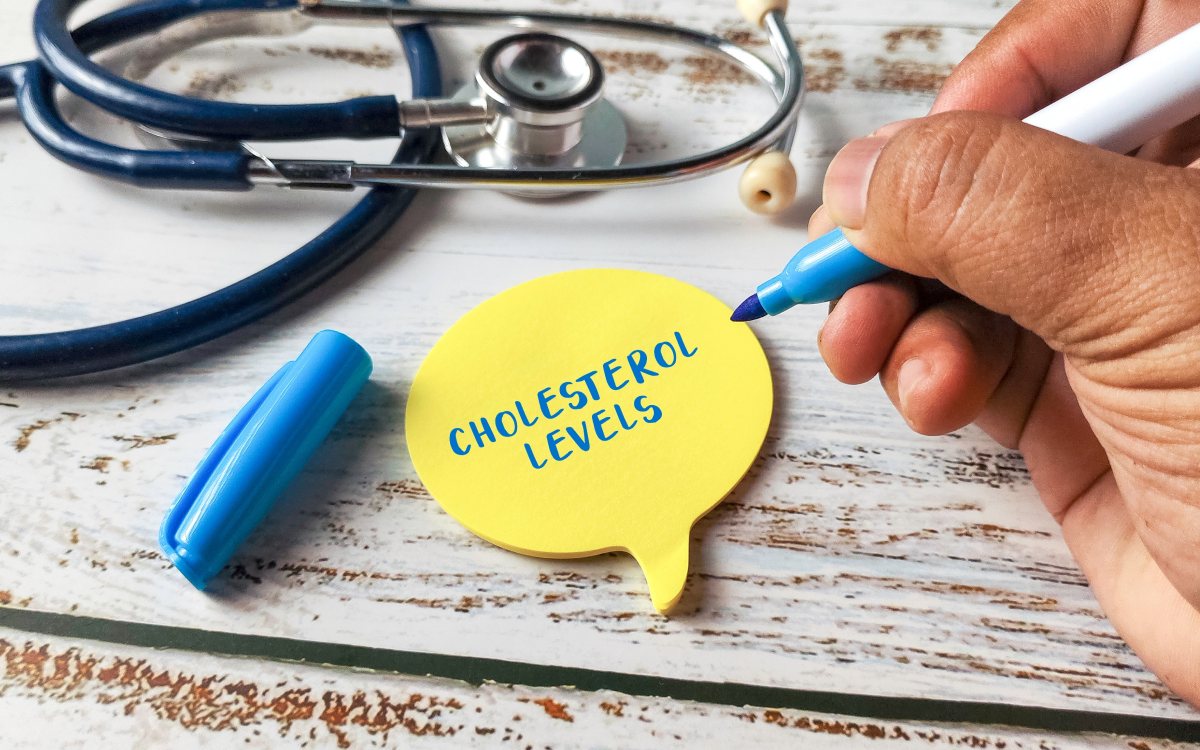
High cholesterol is a major concern, as it raises the risk of various cardiovascular diseases. This condition often stems from unhealthy lifestyles, poor meal choices, and genetics. Regardless of the cause, keeping cholesterol levels in check is essential to prevent severe complications and improve heart function. One can do this by making small, consistent heart-healthy adjustments to their routines and by seeking expert advice. Proactive management and regular monitoring can ensure long-term cardiovascular wellness.

Manage stress

Research shows that continuous stress can increase cholesterol levels and related cardiovascular problems. To avoid this, individuals can adopt healthy coping mechanisms such as regular exercise, mindful relaxation, and healthy eating.

Pick lean meat and seafood

Before heading out to the grocery store, one must review their shopping list. They should take time to reconsider their choices and pick healthy options. A great way to maintain cholesterol levels and improve cardiovascular health is to go easy on red meat and eat more lean meat.. This is because red meat has saturated fats, which can increase overall cholesterol levels. 

Skinless turkey or skinless chicken are good sources of lean animal protein. Similarly, fish is low in saturated fat and rich in omega-3 fatty acids, which can boost good cholesterol levels and improve heart health. Seafood items, such as salmon, mackerel, tilapia, herring, trout, shrimp, and crab, are also suitable.

Eat more fiber

Fiber may be best known for its benefits to digestive health, but it also plays an important role in supporting cardiovascular function. So, when putting together a list of foods that help lower cholesterol levels, one should include those rich in soluble fiber, such as oats, quinoa, Brussels sprouts, barley, kidney beans, apples, bananas, chickpeas, and lentils. The soluble fiber in these foods prevents cholesterol in the gut from entering the bloodstream. 

Buy heart-friendly snacks

Snacking can be very good for heart health and cholesterol management, provided one picks the right foods. Regular packaged goods, such as chips, cookies, pastries, crackers, and certain varieties of microwaveable popcorn, are high in trans fats. One can swap these for fruits, nuts, or veggies as they are high in fiber, healthy fats, and other essential nutrients. Eating whole fruits rather than juices or smoothies can deliver more soluble fiber, helping one feel satiated. Foods high in unsaturated fats, such as olives, avocados, walnuts, almonds, and pecans, are also good options for regulating cholesterol levels. 

Include more movement 

Staying active improves one’s physical, emotional, and mental well-being and also helps manage conditions like high cholesterol. Daily movement or exercise of any kind can raise good cholesterol levels. One can pick their favorite activity and start performing it gradually, as this will make it easier to build a sustainable exercise routine. Around 2.5 to 3 hours of moderate activity spread across the week is generally sufficient to see results. If one cannot make time for exercise, they can at least try to include some movement while performing daily tasks. For example, they can take the stairs instead of the elevator, stretch while watching television, park farther away to increase their step count, or walk while speaking on the phone.

Stay hydrated

Studies have shown that insufficient water intake can raise cholesterol levels. It can also lead to dehydration, which can thicken the blood and increase strain on the heart, raising lipid levels and cardiovascular risks. Drinking enough water helps maintain smoother circulation and manage cholesterol, reducing the overall workload on the heart.

Speak to a doctor 

A primary care doctor is the most reliable source for understanding and managing the impact of high cholesterol on health. Because high cholesterol often produces no symptoms until significant cardiovascular issues arise, professional help is important. A doctor can help one create a customized, easy-to-follow plan based on one’s needs.


Popular Articles

01

Balding – Warning signs, causes, and management options

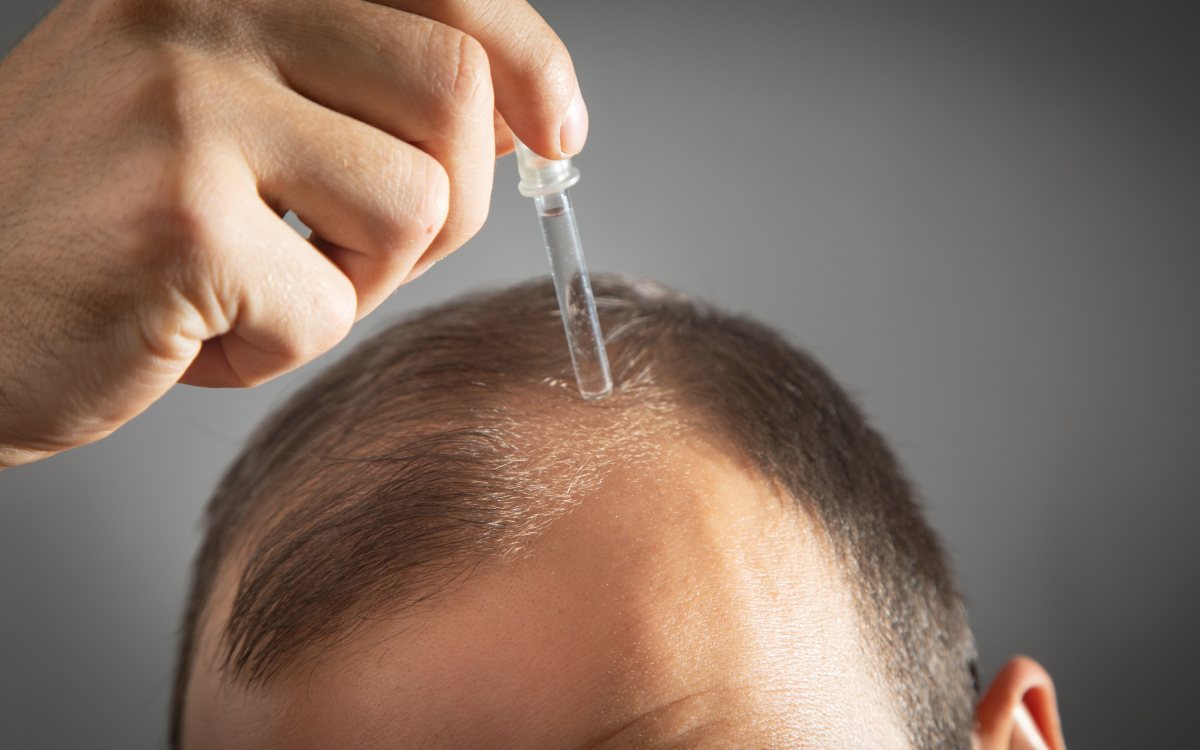
Losing around 50 to 100 strands of hair daily is quite normal. However, large clumps of hair on the pillow, in the shower drain, or on the brush can be a cause for concern and lead to balding in men and women. Fortunately, knowing the warning signs, causes, and management methods can help one slow hair loss and restore their confidence. Signs of balding  There are many early signs that can be observed before bald spots become visible. Knowing about these common indicators can be helpful. Receding hairline in men The hair along the temples appears to pull back, forming an M-shape. This usually starts in the 20s or 30s as hair along the front begins to thin gradually. Crown thinning The scalp becomes more visible at the top of the head. This happens when the hair density in this area drops. Many may see visible patches when brushing their hair or in bright light. Widening of the part in women  The central line along which hair is usually parted widens over time. Along with this, the hair starts to lose its overall thickness, appearing finer over time. Diffuse thinning Hair volume starts to decrease throughout the scalp. So, when running fingers through it or styling it in ponytails, one may notice that their hair feels less full.
Read More
02

Hemorrhoids – Symptoms, causes, and management

Hemorrhoids are swollen and enlarged veins that develop inside and outside of the rectum, which may cause a lot of discomfort and pain during stool passage. This condition results from several factors, including straining during bowel movements, inadequate fiber intake, chronic constipation, and prolonged sitting on the toilet. The good news is that the symptoms of hemorrhoids can improve over time by simply making small habit changes in daily life.​ Signs and symptoms Internal hemorrhoids typically do not cause any pain or obvious symptoms until they move outside the rectum. Since these develop inside the rectum, there is no way of knowing whether a person has the condition. Meanwhile, external hemorrhoids have several telltale signs that occur over time. A person can see small amounts of bright red blood during bowel movements. This is because swollen veins bleed easily, even with minimal friction. There is noticeable swelling around the outer area of the rectum, followed by a persistent uneasy feeling. A tender lump develops around the anus, causing pain and making it difficult to sit for extended periods. Stool or mucus leakage can worsen the discomfort. Sometimes, a person with the condition may experience a persistent feeling of incomplete bowel movement, resulting in frequent trips to the bathroom.
Read More
03

Causes and management options of hand tremors

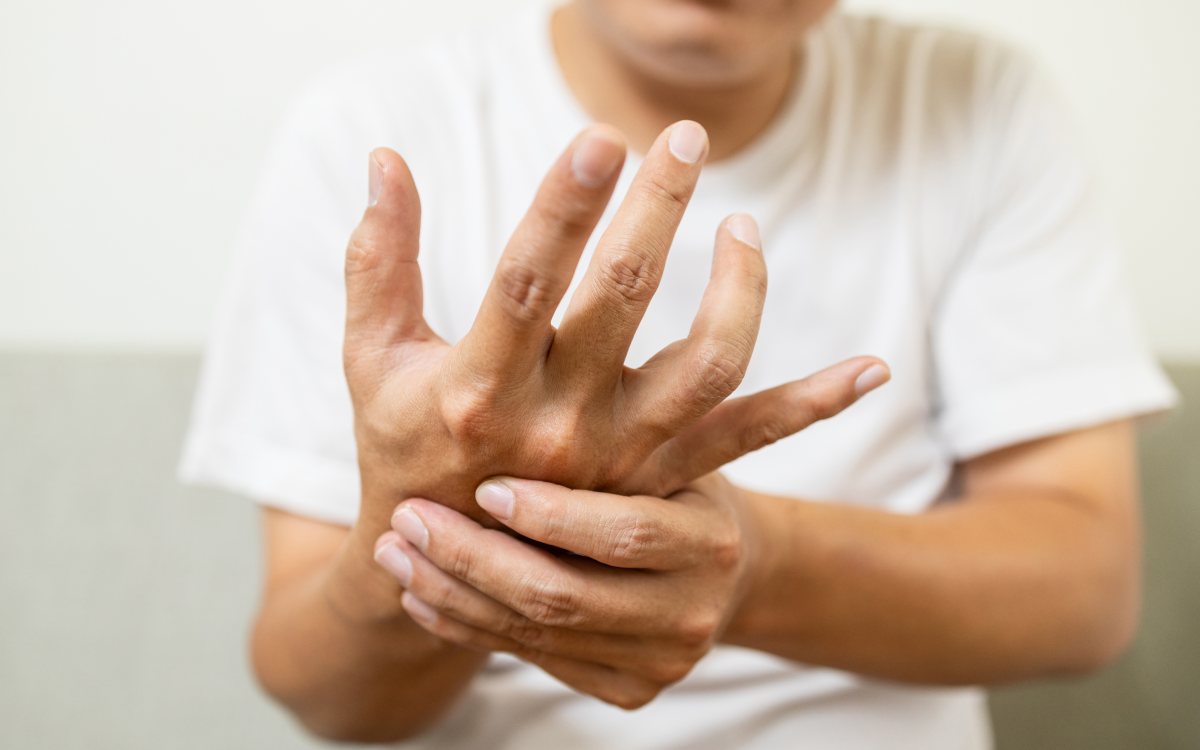
Hand tremors or shaky hands are a symptom of a neurological disorder called essential tremor (ET), characterized by involuntary, rhythmic shaking, most commonly affecting the hands. These tremors gradually worsen, making daily tasks challenging. The onset of essential tremor can happen at any age, but it’s most commonly seen in individuals aged 40 and older. The best approach to managing the condition is to determine a suitable management plan through expert consultation. Causes Hand tremors are a symptom caused by various health conditions, including essential tremor. Other possible reasons for hand tremors include emotional stress, exposure to extreme temperatures, fatigue, and an excessive intake of stimulants like caffeinated drinks. Enhanced physiologic tremor This is one of the most commonly observed postural tremors (i.e., tremors that occur when a position is maintained against gravity). Enhanced physiologic tremor (EPT) usually affects the hands and fingers on both sides of the body. A few factors, such as chronic stress, lack of sleep, excessive caffeine intake, and vigorous exercise, can worsen EPT in some individuals. Anxiety and fatigue may also lead to shaky hands. Neurological conditions Sometimes, tremors, including shaky hands, are caused when deep parts of the brain that control movement don’t work as they should.
Read More