Arthritis – Common types, symptoms, causes, and more

To maintain long-term well-being, several essential factors need to be considered, which include following a balanced meal regime, exercising regularly, and making positive lifestyle changes. However, certain factors like age or injuries can trigger complications that can impact one’s daily living. One such condition is arthritis, a group of rheumatic conditions that affect joints. Understanding the causes, symptoms, and potential treatment methods of joint inflammation conditions, one can manage them effectively.
Symptoms and causes
Causes
Arthritis may result from an injury (leading to degenerative arthritis), genetic inheritance, an infection, or dysfunction in the immune system. Most types of arthritis develop due to one or a combination of these factors. However, the causes of each type of arthritis can vary.
Symptoms
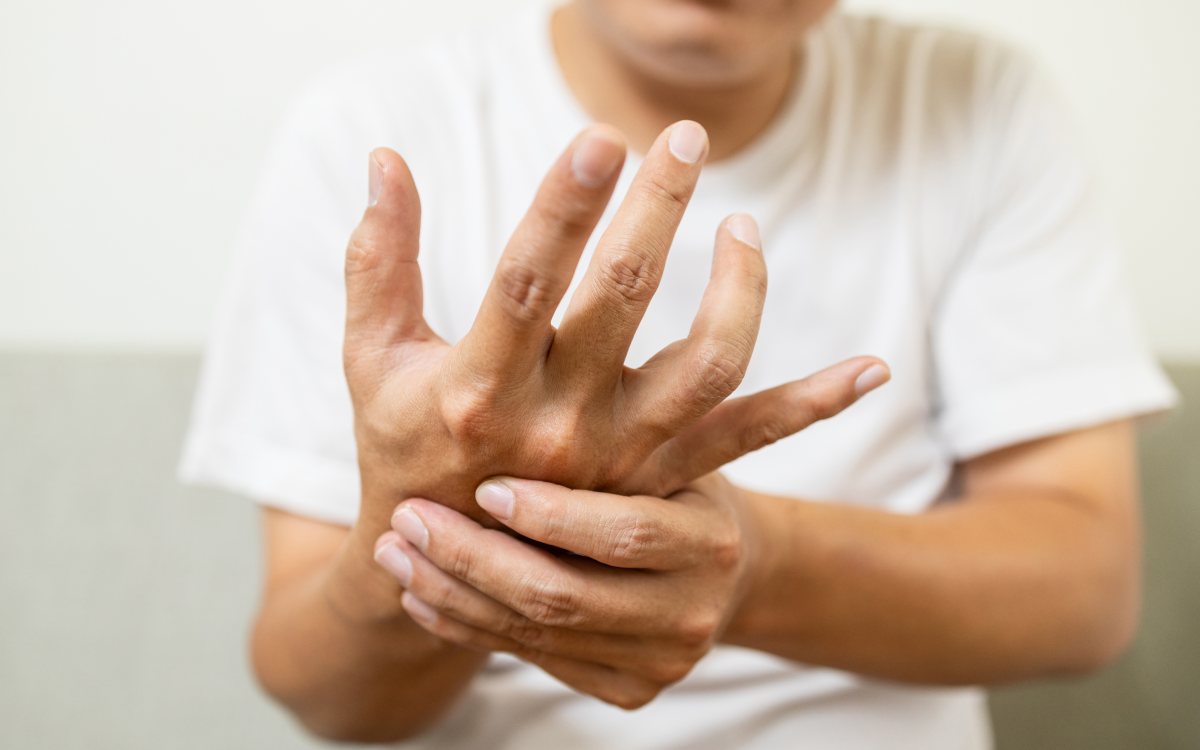
The most common symptoms of arthritis include joint pain, stiffness, or reduced range of motion. However, the severity of these symptoms may vary from one person to another. Other telltale signs include swelling, skin discoloration, tenderness or sensitivity around a joint, and a feeling of heat or warmth near the affected areas. In some arthritis types, like rheumatoid arthritis, the signs may be experienced in intervals, called flares or episodic flare-ups. Those with osteoarthritis may experience persistent pain or stiffness, even after being physically active.
Types of arthritis
Osteoarthritis (OA)
This is a common type of arthritis, referred to as degenerative joint disease by experts. Osteoarthritis occurs when the cartilage that cushions the joints gradually wears down. This further causes the bones to rub against each other when the affected joints move, leading to intense pain and discomfort in the knees, hips, spine, and hands.
Rheumatoid arthritis (RA)
RA occurs when the immune system attacks the tissue lining of the joints on both sides of the body. This chronic autoimmune disease affects the joints in the fingers, wrists, hands, ankles, knees, feet, and toes.
Psoriatic arthritis (PsA)
This form of arthritis is linked to psoriasis, a chronic skin condition. It can occur when one develops psoriasis symptoms on the skin and inflammation in the joints. There are five forms of psoriatic arthritis, including distal interphalangeal predominant psoriatic arthritis, symmetric polyarthritis, asymmetric oligoarticular, spondylitis, and arthritis mutilans. A healthcare provider can determine the type of psoriatic arthritis based on which joints it affects or on which side of the body the symptoms occur.
Juvenile Idiopathic Arthritis (JIA)
This is another autoimmune disease in which a child’s immune system mistakenly targets the tissue lining of the joint, as well as the synovial fluid within those joints. As a result, it causes the synovium to produce extra fluid, causing severe joint pain, morning stiffness, warmth, and tenderness around the affected areas and swelling at an early age (under 16 years).
Arthritis Management
The treatment methods for managing arthritis depend on the type of the condition and expert recommendations. They are mostly focused on reducing joint pain, swelling, and related inflammation and improving joint function.
Treatments
A healthcare provider may recommend specific treatment options, including prescriptions, topical ointments, physical therapy, and genetically modified consumables to manage symptoms. Depending on the severity of the condition, the expert may recommend a combination of these management options.
Surgery
Based on the type of arthritis, the healthcare provider may suggest surgical treatments for the affected joints. Surgery might also be a viable option when the symptoms are severe and other treatments have failed to provide the necessary relief.
Lifestyle changes
Essential lifestyle changes can also support arthritis improvements.
Balanced meals
Making dietary changes can have a positive impact on reducing arthritis symptoms. Foods such as fish, nuts and seeds, fruits and vegetables, beans, and whole grains contain essential nutrients that can support joint health and relieve inflammation. That said, certain foods like sugary drinks (sweetened soda), bakery items (cakes, pastries, and cookies), processed foods (red meat) should be avoided to prevent disease progression.
Physical movement
Regular physical activity can maintain joint flexibility and reduce stiffness. One can engage in joint-friendly, low-impact routines, such as walking, swimming, cycling, and yoga.