Benefits of daily movement over intense exercise routines

Benefits of daily movement over intense exercise routines

Exercising is a habit that helps manage various health conditions. Type 2 diabetes, high blood pressure, and arthritis, to name just a few. But several individuals associate exercise with intense workouts. High-intensity workouts are beneficial – there is no doubt about that. But an equally true fact is that they are not the only means of exercise that benefit the health and long-term well-being. In many ways, daily activities can benefit one a tad more than intense workouts do.

What constitutes regular activity

Regular, daily movement lies in the simple activities that seem like a part of life. This can include taking short walks during the day, cleaning the house, taking the stairs instead of the elevator, or even walking while on phone calls. Additionally, people can break up long periods of sitting by doing a short set of exercises – say five to 10 squats or leg lifts. One can even do a little extra by choosing to walk or cycle short distances rather than driving or parking a little farther away to walk a few extra steps. 

Benefits of daily movement

Eliminates the need for fancy equipment or memberships

One of the biggest advantages of daily movement is how accessible it is compared to intense workouts. There’s no need for gym memberships, equipment, or expensive gear. That alone removes a major barrier for many people. And saves money!

Helps to move without pressure

Regular movement also reduces the mental pressure that often accompanies structured workouts. People sometimes avoid the gym to escape the pressure of a strict, results-driven workout culture. They often believe they must exercise intensely for hours, or else their efforts don’t count. This leads to an all-or-nothing mindset that triggers avoidance and reluctance. But once those restrictions and expectations are removed, movement comes naturally with no pressure. And from there comes consistency. With daily movement, it’s easier to set lasting habits and make them part of the routine.

A cure to sedentary lifestyle

For many working professionals, daily routines leave little time for an active lifestyle. Desk jobs often require people to stay seated for extended periods, often 8-10 hours or more per day. Not to mention that labor-saving technology and delivery systems have further stripped natural movement from everyday life. Long periods of inactivity can badly affect metabolism, circulation, joint flexibility, energy levels, and even recovery between workouts. This is yet another aspect where embracing regular movement throughout the day can help. It can counteract the effects of a sedentary lifestyle in a way that a single workout session cannot.

Lowers the risk of type 2 diabetes

Regular movement plays a key role in blood sugar regulation. Staying active throughout the day helps the body use stored sugar more effectively, reducing the risk of type 2 diabetes. Even a few minutes of walking after meals can help.

Reduces the risk of cardiovascular diseases

Consistent movement also benefits the cardiovascular system by helping regulate blood pressure, improve cholesterol levels, and reduce overall strain on the heart. A few extra minutes of daily movement may seem unimportant at first, yet they add up, improving heart health and lowering the risk of chronic conditions.

Improves mood

Consistent movement is better not only for physical wellness but also for emotional well-being. It can help relieve stress, promote better sleep, and reduce overall stress.

Consulting a health expert before transitioning from high-intensity to daily, lower-intensity activities can help ensure the individual’s body can safely accommodate the change. The expert can identify underlying conditions, such as joint or cardiovascular problems, and recommend a safe exercise plan.


Popular Articles

01

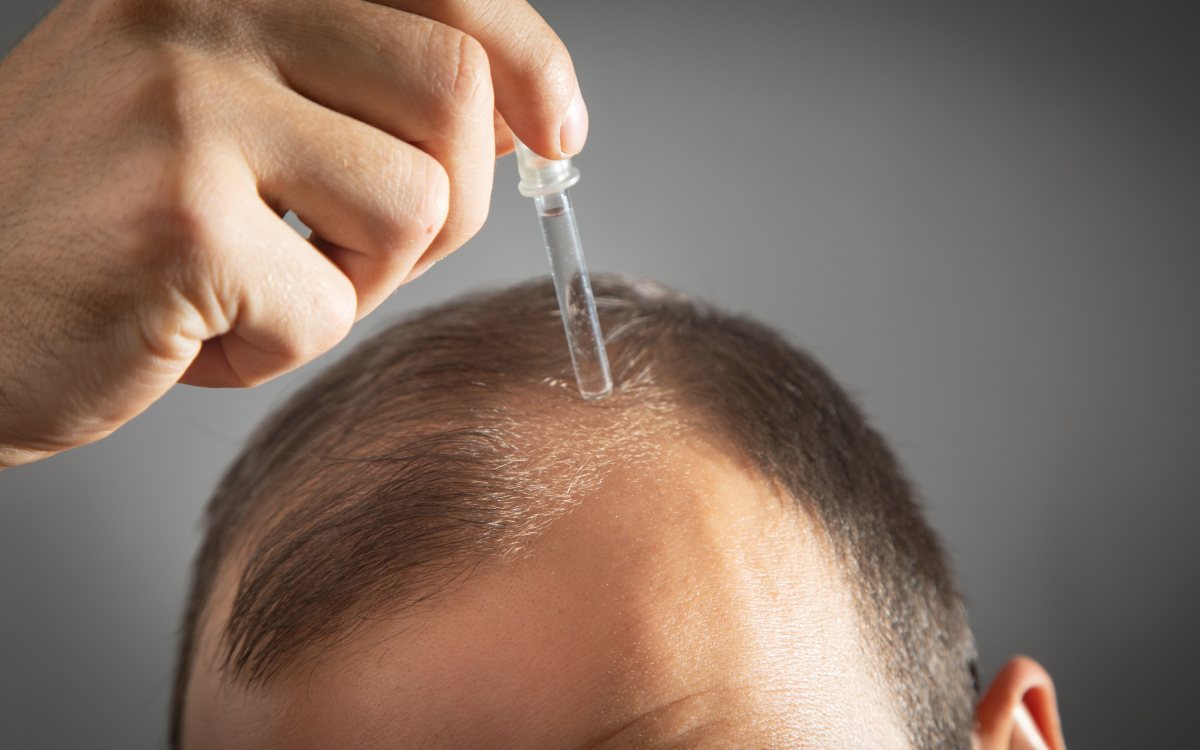
Balding – Warning signs, causes, and management options

Losing around 50 to 100 strands of hair daily is quite normal. However, large clumps of hair on the pillow, in the shower drain, or on the brush can be a cause for concern and lead to balding in men and women. Fortunately, knowing the warning signs, causes, and management methods can help one slow hair loss and restore their confidence. Signs of balding  There are many early signs that can be observed before bald spots become visible. Knowing about these common indicators can be helpful. Receding hairline in men The hair along the temples appears to pull back, forming an M-shape. This usually starts in the 20s or 30s as hair along the front begins to thin gradually. Crown thinning The scalp becomes more visible at the top of the head. This happens when the hair density in this area drops. Many may see visible patches when brushing their hair or in bright light. Widening of the part in women  The central line along which hair is usually parted widens over time. Along with this, the hair starts to lose its overall thickness, appearing finer over time. Diffuse thinning Hair volume starts to decrease throughout the scalp. So, when running fingers through it or styling it in ponytails, one may notice that their hair feels less full.
Read More
02

Hemorrhoids – Symptoms, causes, and management

Hemorrhoids are swollen and enlarged veins that develop inside and outside of the rectum, which may cause a lot of discomfort and pain during stool passage. This condition results from several factors, including straining during bowel movements, inadequate fiber intake, chronic constipation, and prolonged sitting on the toilet. The good news is that the symptoms of hemorrhoids can improve over time by simply making small habit changes in daily life.​ Signs and symptoms Internal hemorrhoids typically do not cause any pain or obvious symptoms until they move outside the rectum. Since these develop inside the rectum, there is no way of knowing whether a person has the condition. Meanwhile, external hemorrhoids have several telltale signs that occur over time. A person can see small amounts of bright red blood during bowel movements. This is because swollen veins bleed easily, even with minimal friction. There is noticeable swelling around the outer area of the rectum, followed by a persistent uneasy feeling. A tender lump develops around the anus, causing pain and making it difficult to sit for extended periods. Stool or mucus leakage can worsen the discomfort. Sometimes, a person with the condition may experience a persistent feeling of incomplete bowel movement, resulting in frequent trips to the bathroom.
Read More
03

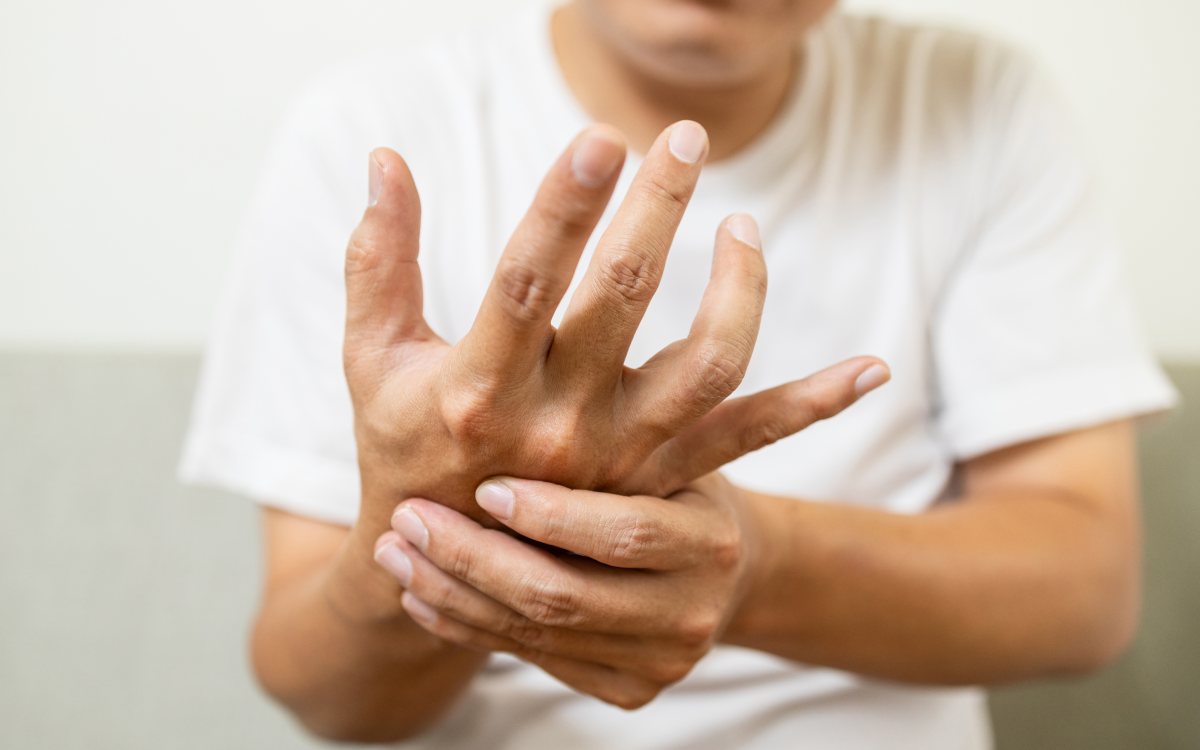
Causes and management options of hand tremors

Hand tremors or shaky hands are a symptom of a neurological disorder called essential tremor (ET), characterized by involuntary, rhythmic shaking, most commonly affecting the hands. These tremors gradually worsen, making daily tasks challenging. The onset of essential tremor can happen at any age, but it’s most commonly seen in individuals aged 40 and older. The best approach to managing the condition is to determine a suitable management plan through expert consultation. Causes Hand tremors are a symptom caused by various health conditions, including essential tremor. Other possible reasons for hand tremors include emotional stress, exposure to extreme temperatures, fatigue, and an excessive intake of stimulants like caffeinated drinks. Enhanced physiologic tremor This is one of the most commonly observed postural tremors (i.e., tremors that occur when a position is maintained against gravity). Enhanced physiologic tremor (EPT) usually affects the hands and fingers on both sides of the body. A few factors, such as chronic stress, lack of sleep, excessive caffeine intake, and vigorous exercise, can worsen EPT in some individuals. Anxiety and fatigue may also lead to shaky hands. Neurological conditions Sometimes, tremors, including shaky hands, are caused when deep parts of the brain that control movement don’t work as they should.
Read More