Common magnesium-rich foods to improve sleep quality
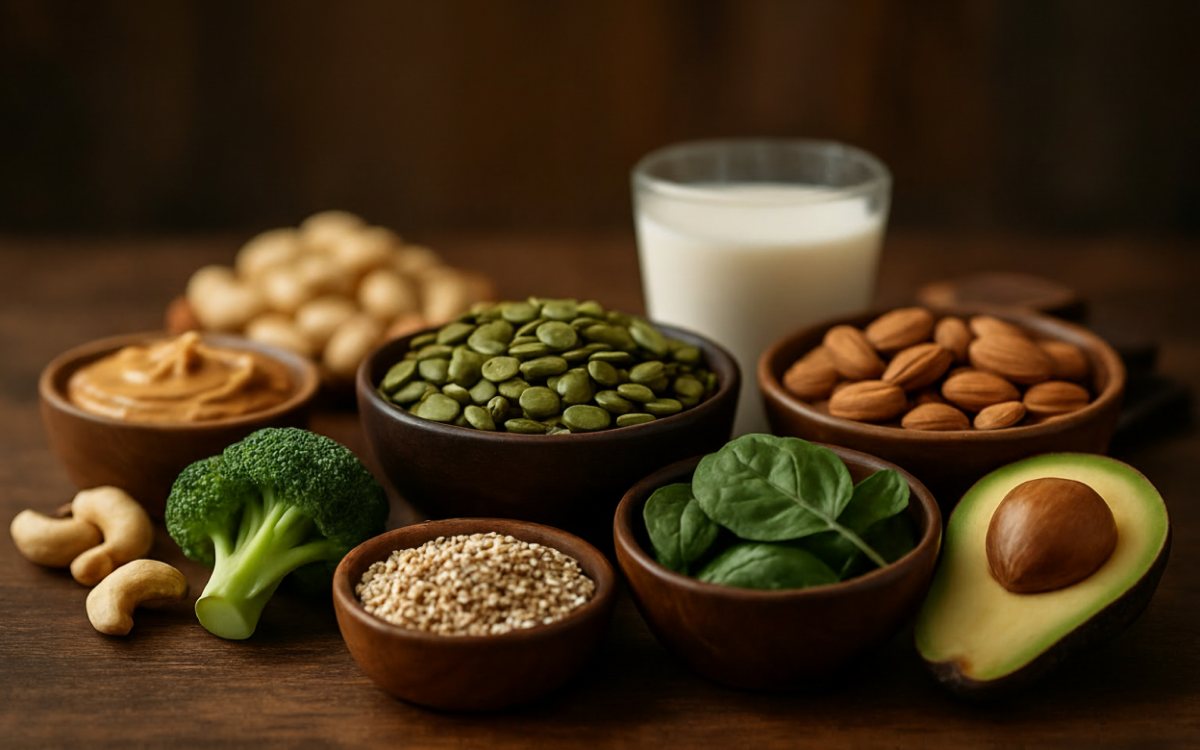
Common magnesium-rich foods to improve sleep quality

The human body requires certain minerals to support bodily functions. One such mineral is magnesium. It supports sleep by soothing the nervous system, relaxing muscles, and regulating hormones during rest. It also facilitates the release of GABA, a neurotransmitter that promotes calmness and eases tension. However, many people struggle with magnesium deficiency, leading to poor sleep quality and increased stress levels. In such cases, including magnesium-rich foods can enhance sleep quality, lower stress, and improve muscle movement.

Pumpkin seeds

These seeds, also known as pepitas, are a solid natural source of magnesium. A single cup of dried pumpkin seeds contains as much as 792 mg of magnesium, as per the USDA statistics. Even consuming a quarter cup of these seeds can help in meeting one’s daily magnesium needs.

These seeds can be consumed in different ways. One can eat the seeds raw or roast them to enhance flavor. Alternatively, they can be eaten as a standalone snack or used as a garnish on a regular meal to add crunch and flavor.

Many people often use these seeds as a topping to add extra flavor, texture, and nutrition to dishes such as yogurt, porridge, and salads.

Nuts

Nuts and seeds are among the richest sources of naturally occurring magnesium, even when they are consumed in small servings.

Nuts like walnuts, cashews, and almonds closely follow pumpkin seeds in magnesium content. These portable snacks are versatile (they can be eaten as a main dish, a snack, or a side dish) and offer benefits beyond magnesium. Beyond magnesium, nuts and seeds provide healthy fats and protein that help stabilize blood sugar levels. Eating pumpkin seeds and nuts together is known to significantly improve sleep patterns and reduce tension-related food cravings. The healthy fats in walnuts, almonds, and cashews also support magnesium absorption. What’s more? Healthy fats can also quickly and efficiently transport this mineral through the digestive system and, subsequently, to all parts of the body.

Spinach

Salad staples such as spinach, kale, and broccoli often appear on lists of the best foods because of the range of nutrients they naturally provide. A cup of raw spinach contains as much as 24 mg of magnesium, according to the USDA (cooking increases this to 156 mg). 

Like nuts and seeds, arguably the best aspect of spinach and other leafy greens is their malleability when it comes to pairing with other foods. People can consume spinach raw on a sandwich or as the base of a salad. Alternatively, one can include spinach with arugula or other green foods, such as avocado. Spinach-tinged curry makes for a great gravy that pairs well with rice or bread.

In addition to its high magnesium content, which supports quality sleep, spinach is also loaded with antioxidants that help reduce inflammation in the body.

Lentils and beans

One of the best foods for heart health, beans are just as potent and loaded with magnesium. Additionally, beans such as black peas, chickpeas, and lentils are all high in magnesium, folate, fiber, and iron. These nutrients help keep mental stress, insomnia, and negative thoughts away. 

Beans are also some of the most well-known low-glycemic foods. This means these foods help keep blood sugar steady, which further leads to reduced feelings of restlessness and tension in the mind.

Fatty fish

Like nuts and seeds, fish are rich in antioxidants and omega-3 fatty acids, both of which help reduce inflammation within the body. Besides, fatty fish such as salmon, mackerel, and tuna are loaded with magnesium, a healthy dose of vitamin D, and omega-3 fatty acids, which are often involved in the production and regulation of serotonin.


Popular Articles

01

Hemorrhoids – Symptoms, causes, and management

Hemorrhoids are swollen and enlarged veins that develop inside and outside of the rectum, which may cause a lot of discomfort and pain during stool passage. This condition results from several factors, including straining during bowel movements, inadequate fiber intake, chronic constipation, and prolonged sitting on the toilet. The good news is that the symptoms of hemorrhoids can improve over time by simply making small habit changes in daily life.​ Signs and symptoms Internal hemorrhoids typically do not cause any pain or obvious symptoms until they move outside the rectum. Since these develop inside the rectum, there is no way of knowing whether a person has the condition. Meanwhile, external hemorrhoids have several telltale signs that occur over time. A person can see small amounts of bright red blood during bowel movements. This is because swollen veins bleed easily, even with minimal friction. There is noticeable swelling around the outer area of the rectum, followed by a persistent uneasy feeling. A tender lump develops around the anus, causing pain and making it difficult to sit for extended periods. Stool or mucus leakage can worsen the discomfort. Sometimes, a person with the condition may experience a persistent feeling of incomplete bowel movement, resulting in frequent trips to the bathroom.
Read More
02

Causes and management options of hand tremors

Hand tremors or shaky hands are a symptom of a neurological disorder called essential tremor (ET), characterized by involuntary, rhythmic shaking, most commonly affecting the hands. These tremors gradually worsen, making daily tasks challenging. The onset of essential tremor can happen at any age, but it’s most commonly seen in individuals aged 40 and older. The best approach to managing the condition is to determine a suitable management plan through expert consultation. Causes Hand tremors are a symptom caused by various health conditions, including essential tremor. Other possible reasons for hand tremors include emotional stress, exposure to extreme temperatures, fatigue, and an excessive intake of stimulants like caffeinated drinks. Enhanced physiologic tremor This is one of the most commonly observed postural tremors (i.e., tremors that occur when a position is maintained against gravity). Enhanced physiologic tremor (EPT) usually affects the hands and fingers on both sides of the body. A few factors, such as chronic stress, lack of sleep, excessive caffeine intake, and vigorous exercise, can worsen EPT in some individuals. Anxiety and fatigue may also lead to shaky hands. Neurological conditions Sometimes, tremors, including shaky hands, are caused when deep parts of the brain that control movement don’t work as they should.
Read More
03

4 daily habits that improve physical health

Good physical health comes from small, steady habits rather than dramatic transformations or intense effort. Certain healthy habits, such as drinking enough water daily, getting enough sleep, and eating balanced foods, can do more for one’s body than intense physical workouts for a few weeks, only to give up the habit ultimately. Here, consistency is the most vital element for those who want to improve their overall physical and mental health. Engaging in regular movement Physical activity does not have to be strenuous to be effective. Atleast 30 minutes of physical activity can keep the body fit and functional. The key here is to establish a consistent routine and complete daily exercises or other physical activity according to the schedule. One can follow certain helpful tips to keep movement consistent and enjoyable. Engage in regular physical activities like walking with friends, swimming for 30 minutes every day, cycling in a safe space for a dedicated period each day, or dancing or other forms of aerobic exercise. Doing these activities at a moderate intensity for at least 30 minutes, three to five days per week, is more than enough to improve the health of one’s joints, bones, muscles, and digestion. One can also incorporate strength-training exercises to build and maintain muscle mass.
Read More