DIY face masks – Benefits and recipes
DIY face masks – Benefits and recipes

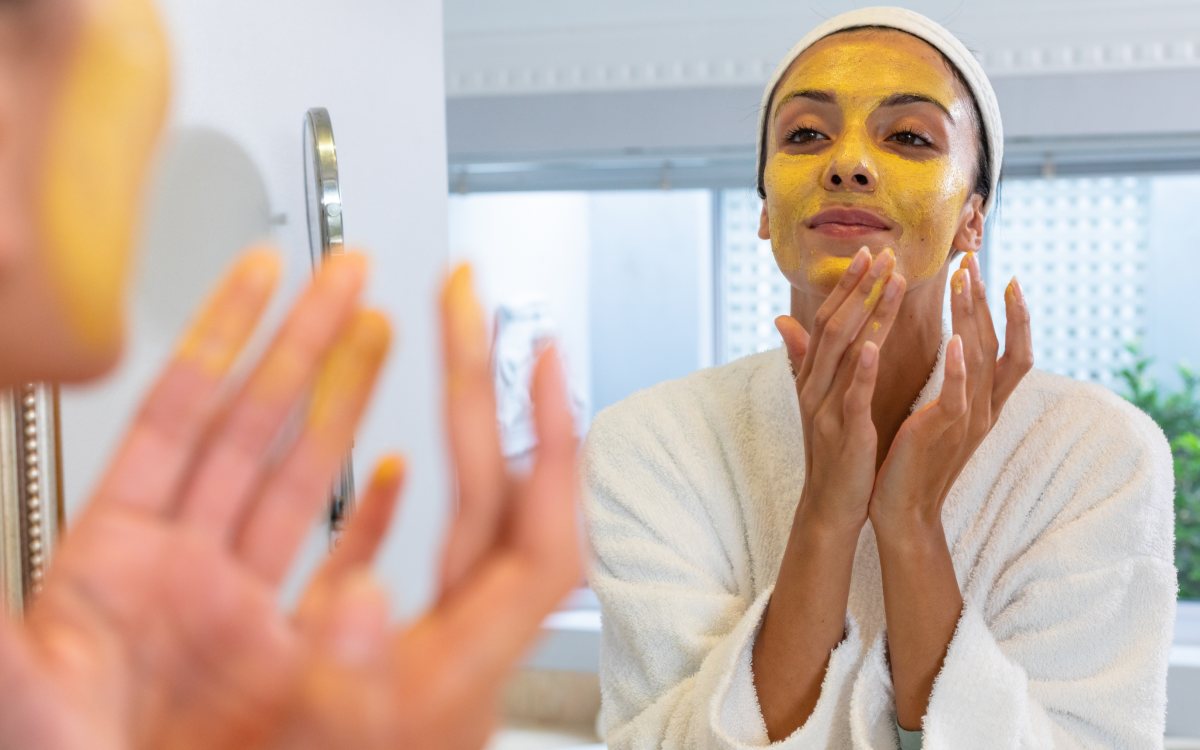
Homemade face masks help nourish the skin naturally. They are made with simple kitchen ingredients, such as honey, yogurt, and oats. Unlike store-bought options, they do not contain chemicals or artificial colors. As a result, they are gentler on the skin and rarely cause irritation and redness. For the best results, homemade skincare masks can be used multiple times a week alongside other routines, such as cleansing, moisturizing, and applying sun protection.

Benefits of DIY face masks

Gentle exfoliation

DIY face masks usually contain ingredients like oatmeal, coffee grounds, or finely ground sugar. These ingredients have exfoliating properties, meaning they help remove dull, dead cells, making the skin brighter and smoother. At the same time, they are gentle on the skin, so even someone with sensitive skin might be able to use these masks for exfoliation.

Deep moisturization

Some organic ingredients, such as yogurt, honey, and avocado, have hydrating properties. So, using them in face masks helps moisturize the skin and strengthen the skin’s natural moisture barrier. Regularly applying these moisturizing masks can make the skin glow from within, giving it a supple, refreshed look.

Nourishment from nature

Homemade masks are made using natural ingredients rich in vitamins, antioxidants, and minerals that improve skin health. Some examples include banana, olive oil, aloe vera, and turmeric. Store-bought products rarely contain such ingredients and instead rely on stabilized, scientifically formulated ingredients.

Customization

When making DIY face masks at home, one has complete control over what goes into the recipe. One can choose pantry ingredients depending on the skin problem being managed. For example, honey and turmeric can be used when making homemade face masks for glowing skin. Similarly, lemon juice and banana can be used for blocked pores.

Natural face mask recipes

Hydrating honey and yogurt mask  

A simple mixture of plain yogurt and honey can be used to make a smooth, creamy mask with nourishing properties. Yogurt contains lactic acid, which lightly exfoliates the skin, while honey works as a natural humectant, adding moisture. To make this mask, combine one tablespoon of plain yogurt with an equal amount of honey. Cleanse the skin properly, apply the mask, and wash it off with warm water after about 15 minutes. 

Refreshing cucumber and aloe mask  

This mask has a cooling effect that helps with tired or sun-exposed skin. To make it, blend half a peeled cucumber with two tablespoons of pure aloe vera gel. Mix well until a light, gel-like consistency is formed. Spread the mixture evenly all over the skin and leave it on for about 15 minutes before rinsing off. The cucumber naturally cools and calms the skin to reduce temporary redness and irritation. Meanwhile, aloe vera provides necessary hydration, keeping the skin feeling refreshed and relaxed. 

Brightening oatmeal and lemon mask  

For a natural glow, a mix of oats, honey, and lemon juice can do the trick. Oats work as a mild exfoliant to remove buildup and smooth out uneven texture. Lemon helps brighten the skin’s natural glow, while honey adds essential hydration. For sensitive skin, the lemon can be replaced with mashed banana. To prepare the mask, mix about two tablespoons of finely ground oats with one teaspoon of honey. To this, add just a few drops of lemon juice. Apply a thin layer of the mask to the skin; then rinse it off after 10 to 15 minutes.

Nourishing avocado and olive oil mask  

Avocado is full of healthy fats, vitamins E and C, and antioxidants that improve the skin’s elasticity and suppleness. Meanwhile, olive oil is a natural moisturizer. To make this mask, mash half a ripe avocado with one teaspoon of olive oil until smooth. Apply the mixture evenly to the face and let it sit for 10 to 15 minutes before rinsing with warm water.


Popular Articles

01

Balding – Warning signs, causes, and management options

Losing around 50 to 100 strands of hair daily is quite normal. However, large clumps of hair on the pillow, in the shower drain, or on the brush can be a cause for concern and lead to balding in men and women. Fortunately, knowing the warning signs, causes, and management methods can help one slow hair loss and restore their confidence. Signs of balding  There are many early signs that can be observed before bald spots become visible. Knowing about these common indicators can be helpful. Receding hairline in men The hair along the temples appears to pull back, forming an M-shape. This usually starts in the 20s or 30s as hair along the front begins to thin gradually. Crown thinning The scalp becomes more visible at the top of the head. This happens when the hair density in this area drops. Many may see visible patches when brushing their hair or in bright light. Widening of the part in women  The central line along which hair is usually parted widens over time. Along with this, the hair starts to lose its overall thickness, appearing finer over time. Diffuse thinning Hair volume starts to decrease throughout the scalp. So, when running fingers through it or styling it in ponytails, one may notice that their hair feels less full.
Read More
02

Hemorrhoids – Symptoms, causes, and management

Hemorrhoids are swollen and enlarged veins that develop inside and outside of the rectum, which may cause a lot of discomfort and pain during stool passage. This condition results from several factors, including straining during bowel movements, inadequate fiber intake, chronic constipation, and prolonged sitting on the toilet. The good news is that the symptoms of hemorrhoids can improve over time by simply making small habit changes in daily life.​ Signs and symptoms Internal hemorrhoids typically do not cause any pain or obvious symptoms until they move outside the rectum. Since these develop inside the rectum, there is no way of knowing whether a person has the condition. Meanwhile, external hemorrhoids have several telltale signs that occur over time. A person can see small amounts of bright red blood during bowel movements. This is because swollen veins bleed easily, even with minimal friction. There is noticeable swelling around the outer area of the rectum, followed by a persistent uneasy feeling. A tender lump develops around the anus, causing pain and making it difficult to sit for extended periods. Stool or mucus leakage can worsen the discomfort. Sometimes, a person with the condition may experience a persistent feeling of incomplete bowel movement, resulting in frequent trips to the bathroom.
Read More
03

Causes and management options of hand tremors

Hand tremors or shaky hands are a symptom of a neurological disorder called essential tremor (ET), characterized by involuntary, rhythmic shaking, most commonly affecting the hands. These tremors gradually worsen, making daily tasks challenging. The onset of essential tremor can happen at any age, but it’s most commonly seen in individuals aged 40 and older. The best approach to managing the condition is to determine a suitable management plan through expert consultation. Causes Hand tremors are a symptom caused by various health conditions, including essential tremor. Other possible reasons for hand tremors include emotional stress, exposure to extreme temperatures, fatigue, and an excessive intake of stimulants like caffeinated drinks. Enhanced physiologic tremor This is one of the most commonly observed postural tremors (i.e., tremors that occur when a position is maintained against gravity). Enhanced physiologic tremor (EPT) usually affects the hands and fingers on both sides of the body. A few factors, such as chronic stress, lack of sleep, excessive caffeine intake, and vigorous exercise, can worsen EPT in some individuals. Anxiety and fatigue may also lead to shaky hands. Neurological conditions Sometimes, tremors, including shaky hands, are caused when deep parts of the brain that control movement don’t work as they should.
Read More