Fatty liver disease – Causes, symptoms, and management
Fatty liver disease – Causes, symptoms, and management

Fatty liver disease is one of those conditions that often goes unnoticed until it starts affecting everyday health. Many may have it without realizing something is wrong, which is why awareness about this condition is important. Knowing the causes and symptoms of fatty liver disease can help individuals understand how to manage it. 

Symptoms of fatty liver

In most cases, fatty liver disease does not show any symptoms in the early stages. So, individuals may not notice clear warning signs at all. Symptoms often start to appear when excess fat accumulates in the liver and begins to interfere with its normal function. 

Pain in the abdomen

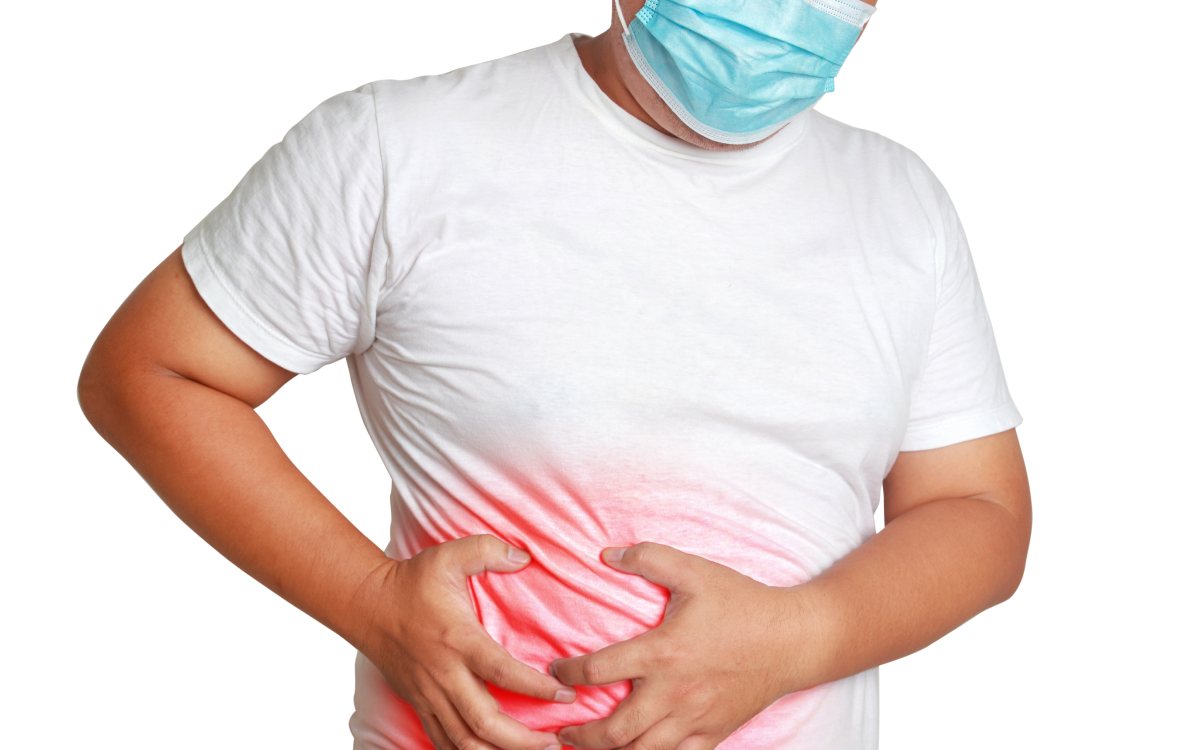
One of the earliest warning signs of fatty liver is pain in the upper right abdomen, where the liver is located. This pain may come and go and is often due to liver inflammation.

Discomfort in the abdomen

Along with pain, individuals might also experience a feeling of fullness in the upper right abdomen.

Fatigue

Fatty liver disease can disrupt the liver’s ability to support metabolism and produce energy. This can leave the individual feeling drained, leading to persistent fatigue.

Swelling in the legs and ankles

As fatty liver disease progresses, fluid retention may occur, leading to swelling in the legs, especially in the ankles. This symptom is more commonly seen when the condition advances to liver scarring.

Nausea

Fatty liver disease affects another function of the liver, i.e., filtering toxins. When the liver struggles to filter toxins efficiently, waste products build up in the body. This can lead to persistent nausea.

Jaundice

In more advanced cases, the whites of the eyes may start yellowing, a condition called jaundice. This occurs when the liver is unable to properly process bilirubin.

Causes of fatty liver

The exact reason behind fatty liver disease is unknown. However, research has identified multiple risk factors that increase an individual’s chances of developing this condition.

  • Genetics 
  • High body mass index (or BMI)
  • Insulin resistance 
  • Type-2 diabetes
  • High cholesterol levels

Management options for fatty liver disease

There is currently no cure for fatty liver disease. However, several lifestyle changes can help slow its progression and, in many cases, even reverse it.

Exercising

Physical activity plays a major role in reversing fatty liver by processing fats and sugars more efficiently. Moderate activity, such as exercising for half an hour every day, can make a significant difference. The key, however, is to be consistent. That said, if individuals have not attempted certain exercises before, they must get their doctor’s approval before starting. They can recommend a personalized exercise plan that supports heart and muscle health and helps prevent injuries.

Lowering cholesterol

If high cholesterol is the cause of fatty liver disease, individuals must address this concern. They can start by adopting a meal plan rich in whole foods and fiber. Individuals should also follow their prescribed treatment and exercise plans.

Altering food regimen

Along with physical activity, food habits also play a big role in managing fatty liver disease. To reverse the condition, it is crucial to eat fewer foods that are high in saturated fats, refined sugars, and heavily processed ingredients. Individuals must replace those with foods, such as salmon, avocado, and olive oil, that contain unsaturated fats. Likewise, they can add foods, such as fruits, vegetables, and whole grains, that have a low glycemic index.


Popular Articles

01

Balding – Warning signs, causes, and management options

Losing around 50 to 100 strands of hair daily is quite normal. However, large clumps of hair on the pillow, in the shower drain, or on the brush can be a cause for concern and lead to balding in men and women. Fortunately, knowing the warning signs, causes, and management methods can help one slow hair loss and restore their confidence. Signs of balding  There are many early signs that can be observed before bald spots become visible. Knowing about these common indicators can be helpful. Receding hairline in men The hair along the temples appears to pull back, forming an M-shape. This usually starts in the 20s or 30s as hair along the front begins to thin gradually. Crown thinning The scalp becomes more visible at the top of the head. This happens when the hair density in this area drops. Many may see visible patches when brushing their hair or in bright light. Widening of the part in women  The central line along which hair is usually parted widens over time. Along with this, the hair starts to lose its overall thickness, appearing finer over time. Diffuse thinning Hair volume starts to decrease throughout the scalp. So, when running fingers through it or styling it in ponytails, one may notice that their hair feels less full.
Read More
02

Hemorrhoids – Symptoms, causes, and management

Hemorrhoids are swollen and enlarged veins that develop inside and outside of the rectum, which may cause a lot of discomfort and pain during stool passage. This condition results from several factors, including straining during bowel movements, inadequate fiber intake, chronic constipation, and prolonged sitting on the toilet. The good news is that the symptoms of hemorrhoids can improve over time by simply making small habit changes in daily life.​ Signs and symptoms Internal hemorrhoids typically do not cause any pain or obvious symptoms until they move outside the rectum. Since these develop inside the rectum, there is no way of knowing whether a person has the condition. Meanwhile, external hemorrhoids have several telltale signs that occur over time. A person can see small amounts of bright red blood during bowel movements. This is because swollen veins bleed easily, even with minimal friction. There is noticeable swelling around the outer area of the rectum, followed by a persistent uneasy feeling. A tender lump develops around the anus, causing pain and making it difficult to sit for extended periods. Stool or mucus leakage can worsen the discomfort. Sometimes, a person with the condition may experience a persistent feeling of incomplete bowel movement, resulting in frequent trips to the bathroom.
Read More
03

Causes and management options of hand tremors

Hand tremors or shaky hands are a symptom of a neurological disorder called essential tremor (ET), characterized by involuntary, rhythmic shaking, most commonly affecting the hands. These tremors gradually worsen, making daily tasks challenging. The onset of essential tremor can happen at any age, but it’s most commonly seen in individuals aged 40 and older. The best approach to managing the condition is to determine a suitable management plan through expert consultation. Causes Hand tremors are a symptom caused by various health conditions, including essential tremor. Other possible reasons for hand tremors include emotional stress, exposure to extreme temperatures, fatigue, and an excessive intake of stimulants like caffeinated drinks. Enhanced physiologic tremor This is one of the most commonly observed postural tremors (i.e., tremors that occur when a position is maintained against gravity). Enhanced physiologic tremor (EPT) usually affects the hands and fingers on both sides of the body. A few factors, such as chronic stress, lack of sleep, excessive caffeine intake, and vigorous exercise, can worsen EPT in some individuals. Anxiety and fatigue may also lead to shaky hands. Neurological conditions Sometimes, tremors, including shaky hands, are caused when deep parts of the brain that control movement don’t work as they should.
Read More