Menopause – Symptoms, stages, and natural remedies
Menopause – Symptoms, stages, and natural remedies

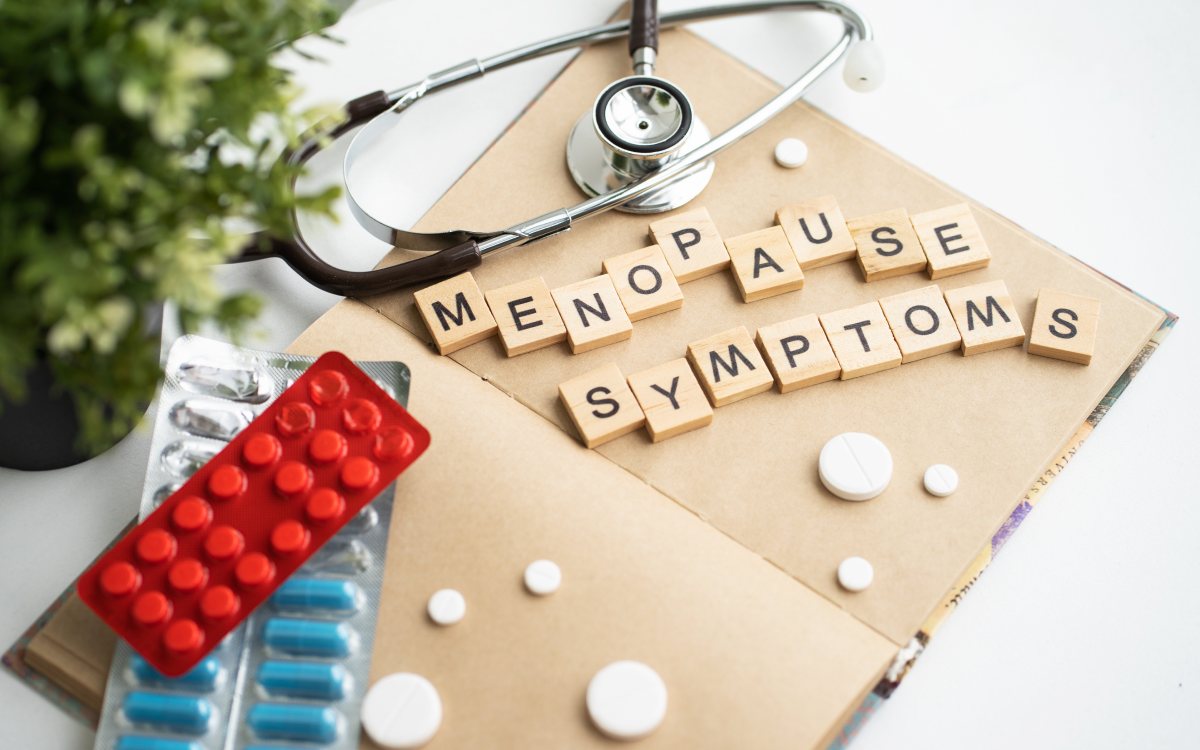
Menopause marks the end of menstruation. It’s a point at which the ovaries stop making enough reproductive hormones, such as estrogen and progesterone, and run out of eggs. Menopause is ideally defined as a year without a menstrual period. On average, it’s experienced by age 52. However, that’s not always the case; it’s possible to reach this phase earlier or later. Knowing about menopause and its management can help one navigate this stage of their life peacefully.

Menopause signs and symptoms

Irregular periods

Menopause often leads to fluctuations in hormone levels. This fluctuation causes menstrual cycles to become shorter, longer, heavier, or lighter. Many times, one also experiences skipped cycles. All of these are signs that the ovaries are slowly losing function.

Hot flashes

When fluctuating estrogen levels affect the hypothalamus, i.e., the brain’s thermostat, it leads to hot flashes. These are nothing but a sudden feeling of warmth throughout the body. Hot flashes can also cause sweating, flushing, and chills.

Night sweats

Hormone fluctuations are more extreme when sleeping. They increase the frequency of hot flashes, causing sudden warmth, flushing, and drenching sweats in the middle of the night. That’s why soaked bedsheets and clothes are common sights if one is on the cusp of menopause.

Sleep problems

Night sweats and hot flashes make sleeping difficult. Lack of sleep also causes frequent waking, daytime fatigue, in the ability to focus, and chronic conditions, such as clinical insomnia. If not managed well, these problems may worsen over time, increasing the risk of conditions such as sleep apnea and restless legs syndrome.

Mood changes

Menopause-related mood swings are caused by fluctuating estrogen and progesterone. These fluctuations affect brain chemicals, such as serotonin, which is a hormone associated with calmness, and can cause irritability and sudden sadness.

Brain fog, digestive issues, and skin rashes are a few other symptoms that can surface.

Menopause stages

Perimenopause

This phase starts years before menopause. It’s characterized by a gradual decline in estrogen levels, leading to irregular periods, hot flashes, and mood changes. Perimenopause can last for a few months or even years.

Menopause

It’s the definitive point at which menstrual periods stop completely for 12 months straight. In this stage, the ovaries don’t release eggs, and estrogen production sees a big drop.

Postmenopause

This is the lifelong phase after menopause. The signs are still there, but they ease with time. Estrogen levels continue to remain low. Ongoing monitoring is necessary immediately after menopause to track hormone levels and prevent complications.

Natural remedies for menopause

Snack on fruits and vegetables

Nutrient-rich meals can reduce inflammation, decrease brain fog, and improve digestion. Fruits and vegetables, especially green leafy veggies, are healthy to consume during this phase because they are nutrient-dense, low in calories, and have compounds that support hormonal balance.

Avoid caffeine

Tea and coffee refresh the mind and boost concentration. However, the caffeine in them can increase inflammation. Since inflammation is already rampant during menopause, drinking these beverages is not a good idea. For hydration and symptom relief, one can drink herbal teas, such as peppermint, sage, or chamomile, or just plain water.

Exercise regularly

Daily workouts improve sleep quality, reduce fatigue, and enhance psychological well-being. One can incorporate various activities into their routine, such as walking, swimming, cycling, and weightlifting. But the workout should not be too challenging, as hormonal shifts make joints more vulnerable, increasing the risk of injury.

Natural remedies are useful for the relief of menopause symptoms. Still, it’s recommended to consult a licensed healthcare professional before trying them. If the symptoms are severe, the professional may suggest appropriate menopause treatment options and other solutions to better manage the situation.


Popular Articles

01

Hemorrhoids – Symptoms, causes, and management

Hemorrhoids are swollen and enlarged veins that develop inside and outside of the rectum, which may cause a lot of discomfort and pain during stool passage. This condition results from several factors, including straining during bowel movements, inadequate fiber intake, chronic constipation, and prolonged sitting on the toilet. The good news is that the symptoms of hemorrhoids can improve over time by simply making small habit changes in daily life.​ Signs and symptoms Internal hemorrhoids typically do not cause any pain or obvious symptoms until they move outside the rectum. Since these develop inside the rectum, there is no way of knowing whether a person has the condition. Meanwhile, external hemorrhoids have several telltale signs that occur over time. A person can see small amounts of bright red blood during bowel movements. This is because swollen veins bleed easily, even with minimal friction. There is noticeable swelling around the outer area of the rectum, followed by a persistent uneasy feeling. A tender lump develops around the anus, causing pain and making it difficult to sit for extended periods. Stool or mucus leakage can worsen the discomfort. Sometimes, a person with the condition may experience a persistent feeling of incomplete bowel movement, resulting in frequent trips to the bathroom.
Read More
02

Causes and management options of hand tremors

Hand tremors or shaky hands are a symptom of a neurological disorder called essential tremor (ET), characterized by involuntary, rhythmic shaking, most commonly affecting the hands. These tremors gradually worsen, making daily tasks challenging. The onset of essential tremor can happen at any age, but it’s most commonly seen in individuals aged 40 and older. The best approach to managing the condition is to determine a suitable management plan through expert consultation. Causes Hand tremors are a symptom caused by various health conditions, including essential tremor. Other possible reasons for hand tremors include emotional stress, exposure to extreme temperatures, fatigue, and an excessive intake of stimulants like caffeinated drinks. Enhanced physiologic tremor This is one of the most commonly observed postural tremors (i.e., tremors that occur when a position is maintained against gravity). Enhanced physiologic tremor (EPT) usually affects the hands and fingers on both sides of the body. A few factors, such as chronic stress, lack of sleep, excessive caffeine intake, and vigorous exercise, can worsen EPT in some individuals. Anxiety and fatigue may also lead to shaky hands. Neurological conditions Sometimes, tremors, including shaky hands, are caused when deep parts of the brain that control movement don’t work as they should.
Read More
03

4 daily habits that improve physical health

Good physical health comes from small, steady habits rather than dramatic transformations or intense effort. Certain healthy habits, such as drinking enough water daily, getting enough sleep, and eating balanced foods, can do more for one’s body than intense physical workouts for a few weeks, only to give up the habit ultimately. Here, consistency is the most vital element for those who want to improve their overall physical and mental health. Engaging in regular movement Physical activity does not have to be strenuous to be effective. Atleast 30 minutes of physical activity can keep the body fit and functional. The key here is to establish a consistent routine and complete daily exercises or other physical activity according to the schedule. One can follow certain helpful tips to keep movement consistent and enjoyable. Engage in regular physical activities like walking with friends, swimming for 30 minutes every day, cycling in a safe space for a dedicated period each day, or dancing or other forms of aerobic exercise. Doing these activities at a moderate intensity for at least 30 minutes, three to five days per week, is more than enough to improve the health of one’s joints, bones, muscles, and digestion. One can also incorporate strength-training exercises to build and maintain muscle mass.
Read More