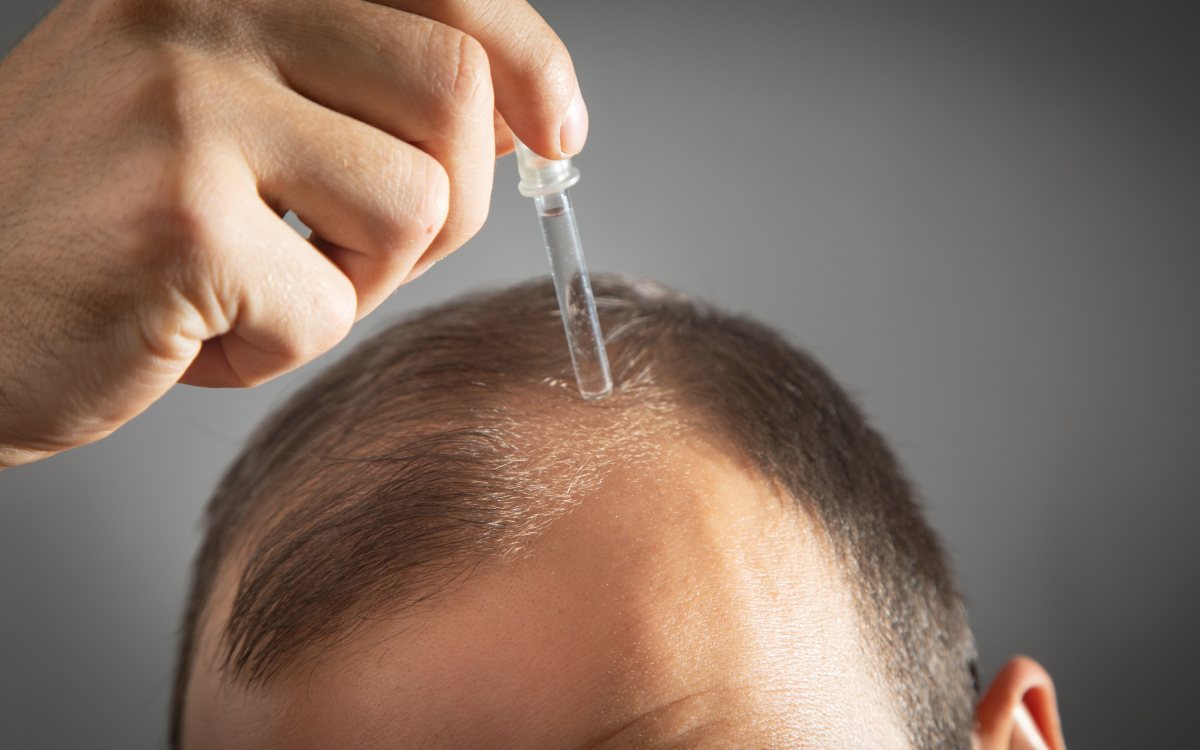
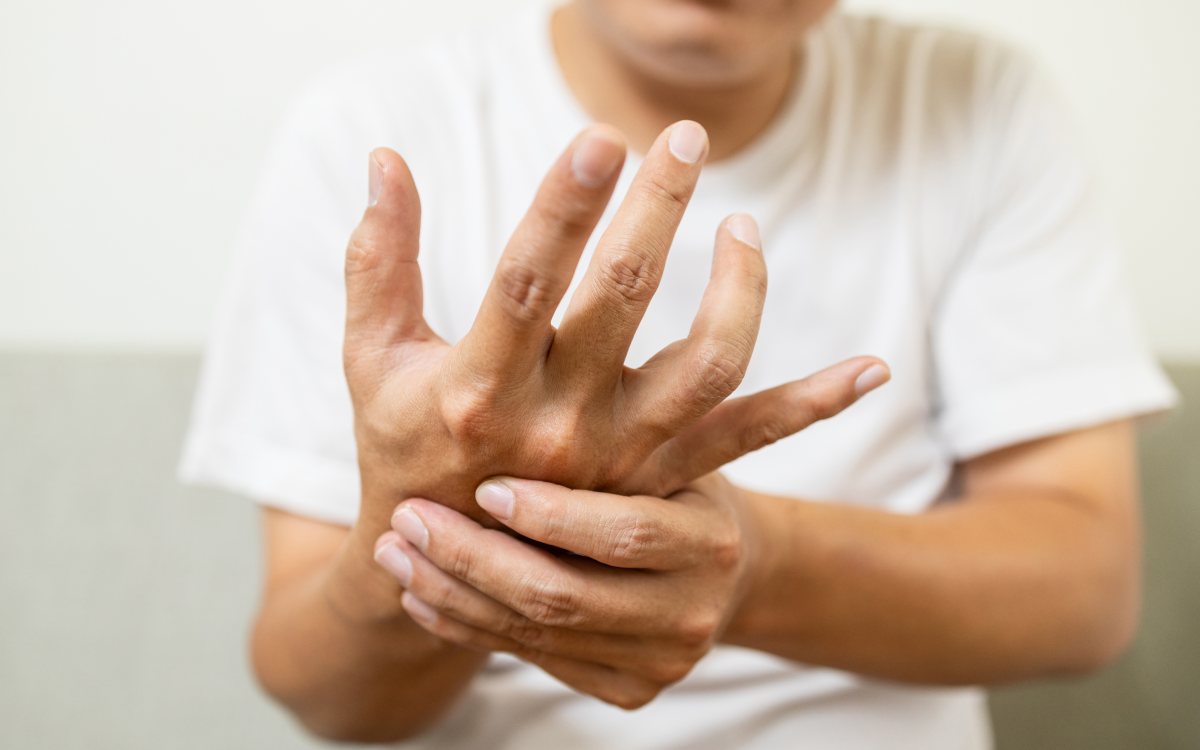
Vitiligo – Causes, symptoms, and management
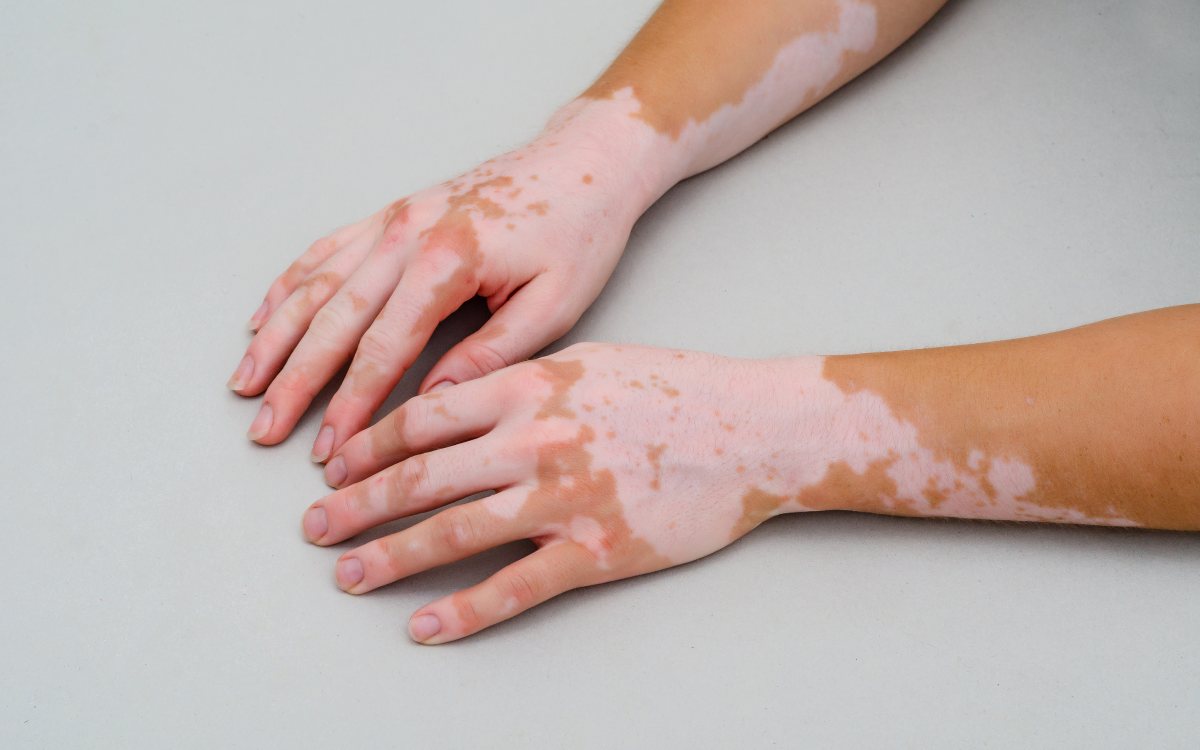
Many people first notice the signs of vitiligo during a routine day. This skin condition first appears as white spots where the skin has lost its color. Vitiligo is a chronic condition caused by the loss of melanocytes, the cells that produce skin pigment. Vitiligo can develop at any age, so it’s important to treat it at its initial stage. Learning the common causes, recognizing symptoms, and exploring treatment options can help individuals manage vitiligo better.
Type of vitiligo
The most common form of vitiligo is the nonsegmental type, where symmetric white patches appear on both sides of the body. This means there can be matching spots on both hands or knees. The other type is segmental vitiligo, where patches appear on one side of the body or in a specific area, such as the left arm. This type usually spreads only to limited areas and tends to stabilize after one or two years.
Causes of vitiligo
There are several factors that contribute to the onset of vitiligo. Many of these causes often occur together, and patches of skin lose pigmentation.
Autoimmune response
The body’s immune system sometimes mistakenly targets melanocytes. This occurrence leads to loss of color in patches over various areas of the body.
Family history
In some cases, genetics increases the risk of individuals developing this skin condition.
Stress
Emotional or physical stress can also act as a trigger, leading to the appearance of new patches in those who are at high risk.
Skin injury (Koebner phenomenon)
Sometimes, injury to the skin, like cuts or friction, can cause depigmentation at the injury site over time.
Environmental factors
Continuous exposure to certain chemicals or other external elements can cause vitiligo.
Common symptoms
Vitiligo causes many changes in skin appearance. The changes are often noticeable in easily visible areas of the body. Most of these common signs can help individuals identify the condition early.
Milky-white patches
These are flat and pale areas appearing on the face, hands, arms, feet, or body folds, like armpits. In most cases, the patches that appear in the initial stage of the condition are pale before turning fully white.
Premature graying
If vitiligo affects the scalp, hair in the affected spots lose their natural color sooner than expected. Individuals may notice white strands in the scalp or beard.
Mouth color loss
The pigment inside the mouth or on the lips starts to fade, creating pale sections in the middle of normal tissue.
Patch enlargement
If not treated sooner, the spots can grow over months or years, merging into bigger areas.
Sun sensitivity
The areas of the skin that are depigmented become red or burn more easily during sun exposure.
Managing vitiligo naturally
Individuals can make a few lifestyle changes to take care of the skin affected by vitiligo. These approaches, along with routine care, can help them protect the skin and even out the appearance.
Sun care
One of the best ways for individuals to prevent vitiligo from worsening is to apply broad-spectrum SPF 30+ daily. Some of the top options, such as Neutrogena Ultra Sheer or La Roche-Posay Anthelios, help protect the pale patches from burns and long-term damage.
Camouflage options
There are a few topical creams that help provide a temporary color match. Individuals can apply these to the affected areas to blend with the surrounding skin. A dermatologist can help suggest which creams and solutions are suitable for this purpose.
Moisture support
Gentle, fragrance-free lotions, such as CeraVe or Vanicream, can help strengthen the skin barrier and keep it comfortable by preventing dryness and itchiness.
Nutrition choices
Foods rich in antioxidants, such as berries and spinach, can improve skin health through everyday meals.
Therapy approaches
To determine appropriate treatment options for vitiligo, individuals should consult a vitiligo specialist or dermatologist nearby. Most of the recommended options are effective when consistently followed over time in clinical settings.
Light therapies
This is done by exposing the affected areas to narrowband UVB rays. Two to three sessions per week at dermatology clinics can help re-pigment small affected areas.
Targeted laser
In this treatment, an excimer laser is used to target localized areas, such as the hands or face. The skin is exposed to precise light to encourage natural pigmentation.
Depigmentation
For widespread vitiligo, topical creams can help lighten the remaining normal skin so that it evenly matches the pale areas.