Ways to find affordable dental implants
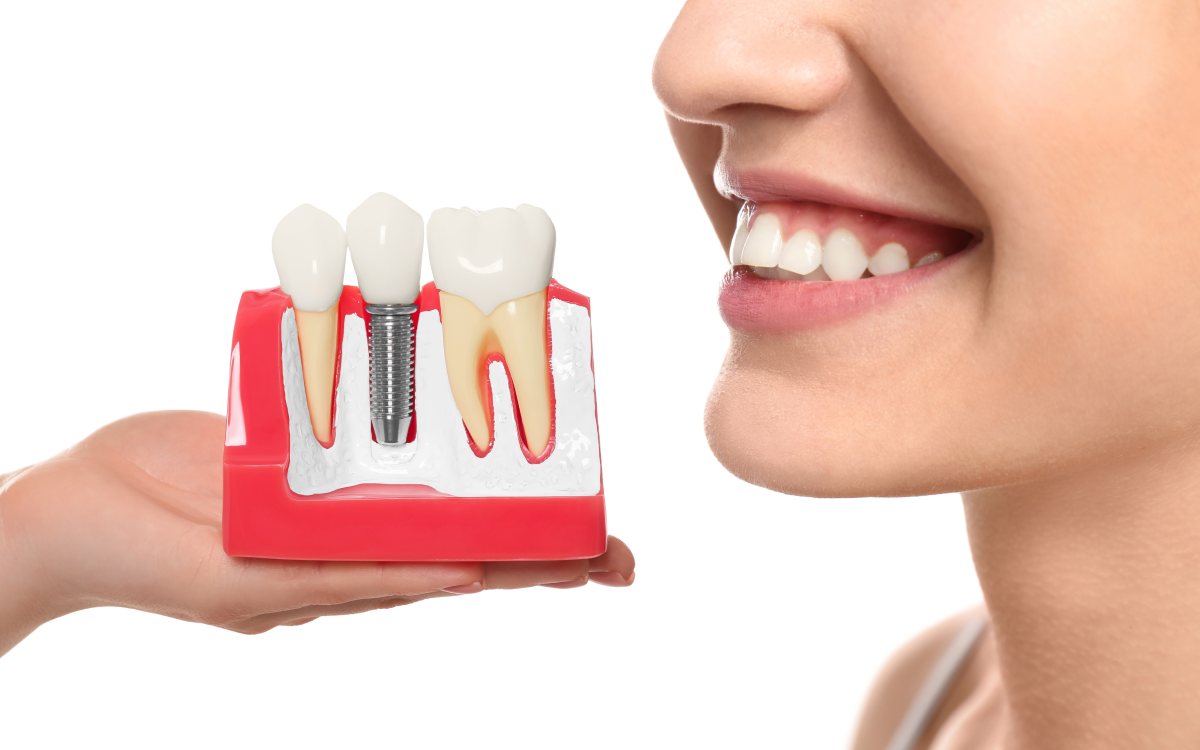
Dental implants are often out of reach for many people due to the high cost of the procedure. Besides, a lack of dental insurance and limited income can prevent people from seeking necessary professional help for several serious dental issues. Fortunately, several organizations and medical programs help low-income individuals get access to prompt dental care. In some cases, these programs offer procedures like implants at no cost, while in others, they provide affordable options.
Ways to find free or low-cost dental implants
Enquire with dentists
Many dental clinics and offices provide dental membership savings plans. For specific services such as cleanings and exams, these plans charge clients a fixed annual fee. At the same time, other services may be offered at reduced prices. To give back to the community, several dentists also offer free or low-cost care on certain days.
Check the health insurance marketplace
The Health Insurance Marketplace is a service run by the federal government that helps people, families, and small businesses. Established by the Affordable Care Act, this insurance marketplace lets individuals and families shop for dental benefit plans. Participating insurers offer dental coverage for children under 18. Many states also have similar plans for adults. However, these plans vary in cost and coverage, and open enrollment periods determine when people can sign up.
Explore local dental school offerings
Most dental schools operate clinics where students deliver care under professional supervision. As the focus is on training, such clinics often charge reduced fees (often just the cost of materials). This results in substantial savings for patients needing basic or more complex services. Remember, appointments may take longer due to the educational setting of the clinics.
Federally qualified health centers
This is an ideal option for people who do not have the funds to cover their dental care costs. Federally Qualified Health Centers (FQHCs) provide dental care regardless of one’s ability to pay, making these centers ideal for those living in rural areas. Services are offered on a sliding scale based on a client’s income. This means that patients with lower incomes pay less. Such centers focus on ensuring access to essential dental care in places where private dental practitioners may be scarce.
Look for non-profit organizations focused on dental health
Many NGOs can connect people, especially those in low-income groups, to affordable dental services. Implants are a notoriously expensive procedure, so price cuts can help make them accessible to the underprivileged with low income.
For example, Dental Lifeline Network assists older adults, people with mobility issues, and those with other serious wellness conditions through volunteer care. The America’s Dentists Care Foundation supports reduced-cost dental events in communities. Such organizations help people find free or discounted services they might not otherwise find through traditional providers.
Organizations that offer low-cost to zero-cost implant services
New Smile Foundation
This foundation is a non-profit initiative dedicated to restoring health to individuals from all walks of life by providing dental implants to those who otherwise cannot afford them. The organization partners with dental professionals and companies to train clinicians, secure donated materials, and host implant and other treatment services. Implants are offered to the disadvantaged, those struggling with specific issues, and low-income individuals. The program focuses on improving both oral health and overall well-being in certain areas.
AAID
The Smile, Veteran! A program from the American Academy of Implant Dentistry (AAID) Foundation helps US military veterans access dental implant treatment at little to no cost. This program was launched to honor veterans’ services, and it connects eligible former service members with implant dentists who donate their time and expertise, along with donated implant materials. Veterans can check this out for dental care and implant services.
Organizations/programs that offer affordable dental implants and other care services
Mission of Mercy
Dental Lifeline Network
Donated Dental Services (DDS)