4 common migraine triggers and ways to cope with them
Health

4 common migraine triggers and ways to cope with them

Migraine is a neurological condition that causes recurring headaches, with its severity ranging from moderate to severe. Symptoms of migraine include throbbing head pain, nausea, vomiting, and sensitivity to sound and light. Various kinds of triggers cause an onset of migraine headaches in people living with this condition. Knowing about the triggers and identifying them can help reveal patterns behind migraine episodes. More importantly, this knowledge can help affected individuals manage this condition in their day-to-day lives. Stress A study found that stress is the main trigger for almost 70% of people experiencing migraine headaches. Affected individuals tend to perpetually worry about their next episode, causing them to be in a never-ending, exhausting cycle.  How to cope : Unfortunately, stress is often unavoidable. However, stress-relieving activities such as exercise, meditation, and yoga can help individuals calm their minds before their stress spirals into a full-blown migraine headache. Rhythmic breathing is also known to lower heart rate and reduce mental tension during stressful moments. In complex situations, consulting a trained and experienced therapist can also help individuals develop innovative strategies for coping with daily stress. Certain foods Some foods, such as fermented or pickled foods, aged cheese, and processed or cured meats (like hot dogs and lunch meats), often cause inflammation and set off a cascading effect that ends up in migraine aches.
Read More
Stretching – Benefits and limitations
Health

Stretching – Benefits and limitations

Stretching is one of the easiest forms of exercise. When done regularly, it can improve flexibility, enhance musculoskeletal health, and prevent injuries. But before diving into the exercise head-on, it’s important to properly understand when stretching is useful and when it’s not. In certain situations, such as when dealing with a strained muscle or a painful tendon, stretching can be counterproductive. Knowing the benefits and limitations of stretching and doing it under professional guidance is recommended. Benefits of stretching Reduces muscle stiffness Stretching lengthens the muscles and increases their flexibility. This, in turn, improves the range of motion, making it easier to perform routine tasks that require reaching and bending. It also prevents undue straining or tearing of the muscles, reducing the risk of injury. Since age naturally causes the muscles to lose flexibility, seniors should especially consider stretching more often. Improves posture Poor posture can lead to neck and back pain, tension headaches, and rounded shoulders. It can also lead to more severe musculoskeletal issues, such as nerve compression and herniated discs. Stretching is one of the best ways to improve posture. Stretches that focus on the hips, shoulders, and the back of the neck maintain the spine’s neutral position and reverse any “hunch” caused by sitting for several hours every day.  Boosts joint health Stretching stimulates the production and circulation of synovial fluid—a thick, gel-like substance that reduces friction—in the joints.
Read More
Metastatic breast cancer- Signs, prognosis, and management options
Health

Metastatic breast cancer- Signs, prognosis, and management options

Metastatic breast cancer (MBC), a stage 4 cancer, occurs when cancer cells travel beyond the breast and gradually spread to other parts, such as the bones, liver, lungs, or brain. Diagnosing this condition can be complex. Fortunately, timely treatment and care can help individuals manage the condition. Knowing about the common symptoms, systemic treatment options, and prognosis can further help caregivers and those with MBC reduce treatment-related discomfort.  What “metastatic” or stage 4 means Metastasis is a process that causes cancer cells to break away from the original tumor in the breast. The cancer cells travel through the lymphatic system or the bloodstream to form new tumors in other organs. The cells mostly spread to the bones, liver, lungs, and brain. However, healthcare providers call it breast cancer regardless of the tumor’s new location. This means if the breast cancer has moved to the lungs, it is treated with therapies that are specific to manage breast cells.  De Novo vs. Recurrent Metastatic Breast Cancer An initial diagnosis of breast cancer can happen in different ways. In some cases, the cancer is first diagnosed when it is already in stage 4, also referred to as de novo metastatic breast cancer. In other cases, recurrent metastatic disease occurs when cancer relapses and is found in another part of the body several months or years after successful treatment of an earlier stage of the disease.
Read More

Popular Articles

01

Balding – Warning signs, causes, and management options

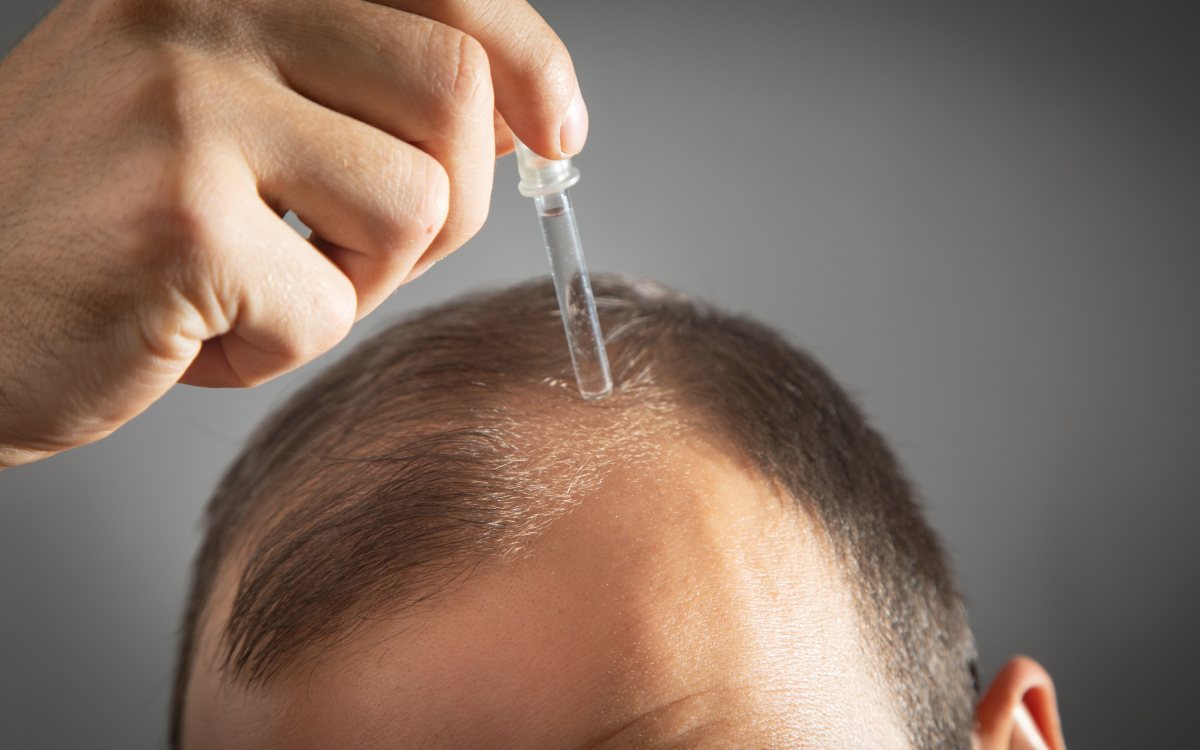
Losing around 50 to 100 strands of hair daily is quite normal. However, large clumps of hair on the pillow, in the shower drain, or on the brush can be a cause for concern and lead to balding in men and women. Fortunately, knowing the warning signs, causes, and management methods can help one slow hair loss and restore their confidence. Signs of balding  There are many early signs that can be observed before bald spots become visible. Knowing about these common indicators can be helpful. Receding hairline in men The hair along the temples appears to pull back, forming an M-shape. This usually starts in the 20s or 30s as hair along the front begins to thin gradually. Crown thinning The scalp becomes more visible at the top of the head. This happens when the hair density in this area drops. Many may see visible patches when brushing their hair or in bright light. Widening of the part in women  The central line along which hair is usually parted widens over time. Along with this, the hair starts to lose its overall thickness, appearing finer over time. Diffuse thinning Hair volume starts to decrease throughout the scalp. So, when running fingers through it or styling it in ponytails, one may notice that their hair feels less full.
Read More
02

Hemorrhoids – Symptoms, causes, and management

Hemorrhoids are swollen and enlarged veins that develop inside and outside of the rectum, which may cause a lot of discomfort and pain during stool passage. This condition results from several factors, including straining during bowel movements, inadequate fiber intake, chronic constipation, and prolonged sitting on the toilet. The good news is that the symptoms of hemorrhoids can improve over time by simply making small habit changes in daily life.​ Signs and symptoms Internal hemorrhoids typically do not cause any pain or obvious symptoms until they move outside the rectum. Since these develop inside the rectum, there is no way of knowing whether a person has the condition. Meanwhile, external hemorrhoids have several telltale signs that occur over time. A person can see small amounts of bright red blood during bowel movements. This is because swollen veins bleed easily, even with minimal friction. There is noticeable swelling around the outer area of the rectum, followed by a persistent uneasy feeling. A tender lump develops around the anus, causing pain and making it difficult to sit for extended periods. Stool or mucus leakage can worsen the discomfort. Sometimes, a person with the condition may experience a persistent feeling of incomplete bowel movement, resulting in frequent trips to the bathroom.
Read More
03

Causes and management options of hand tremors

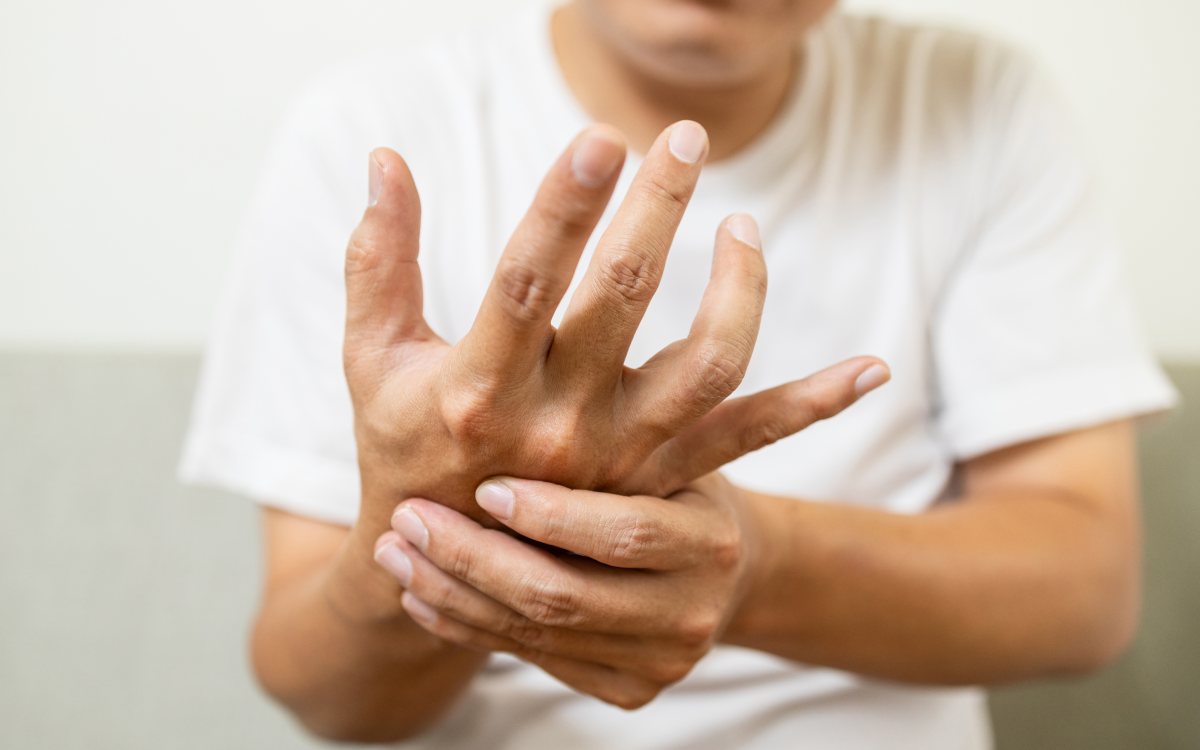
Hand tremors or shaky hands are a symptom of a neurological disorder called essential tremor (ET), characterized by involuntary, rhythmic shaking, most commonly affecting the hands. These tremors gradually worsen, making daily tasks challenging. The onset of essential tremor can happen at any age, but it’s most commonly seen in individuals aged 40 and older. The best approach to managing the condition is to determine a suitable management plan through expert consultation. Causes Hand tremors are a symptom caused by various health conditions, including essential tremor. Other possible reasons for hand tremors include emotional stress, exposure to extreme temperatures, fatigue, and an excessive intake of stimulants like caffeinated drinks. Enhanced physiologic tremor This is one of the most commonly observed postural tremors (i.e., tremors that occur when a position is maintained against gravity). Enhanced physiologic tremor (EPT) usually affects the hands and fingers on both sides of the body. A few factors, such as chronic stress, lack of sleep, excessive caffeine intake, and vigorous exercise, can worsen EPT in some individuals. Anxiety and fatigue may also lead to shaky hands. Neurological conditions Sometimes, tremors, including shaky hands, are caused when deep parts of the brain that control movement don’t work as they should.
Read More