Key details about macronutrients – Their benefits and importance of balanced nutrition
Health

Key details about macronutrients – Their benefits and importance of balanced nutrition

The human body requires a balance of nutrients to maintain overall health. There are two main categories of nutrients—micronutrients and macronutrients. Micronutrients, like vitamins and minerals, are required in small quantities for growth development and prevention of chronic conditions. On the other hand, macronutrients, like carbohydrates, proteins, and fats, help fuel the brain, provide energy for daily tasks, repair worn-out and damaged muscles, support hormone production, and strengthen the nervous system. Carbohydrates – The body’s main energy source These macronutrients provide energy for the brain and muscles to function. Each gram of carbohydrates provides about four calories. Once digested, carbohydrates are broken down into glucose, which serves as an energy source for daily physical tasks. There are two main types of carbohydrates—complex and simple. Complex carbohydrates are found in whole grains, legumes, fruits, and vegetables. These carbs are rich in fiber and provide steady energy and a feeling of fullness after meals. On the other hand, simple carbohydrates, found in soda and white bread, digest quickly and can lead to abrupt energy spikes and drops.  Complex carbohydrates are beneficial for maintaining energy levels and regulating blood sugar, while it is advisable to limit the intake of simple carbohydrates. Importance of fiber Fiber is a non-digestible type of carbohydrate.
Read More

Popular Articles

01

Balding – Warning signs, causes, and management options

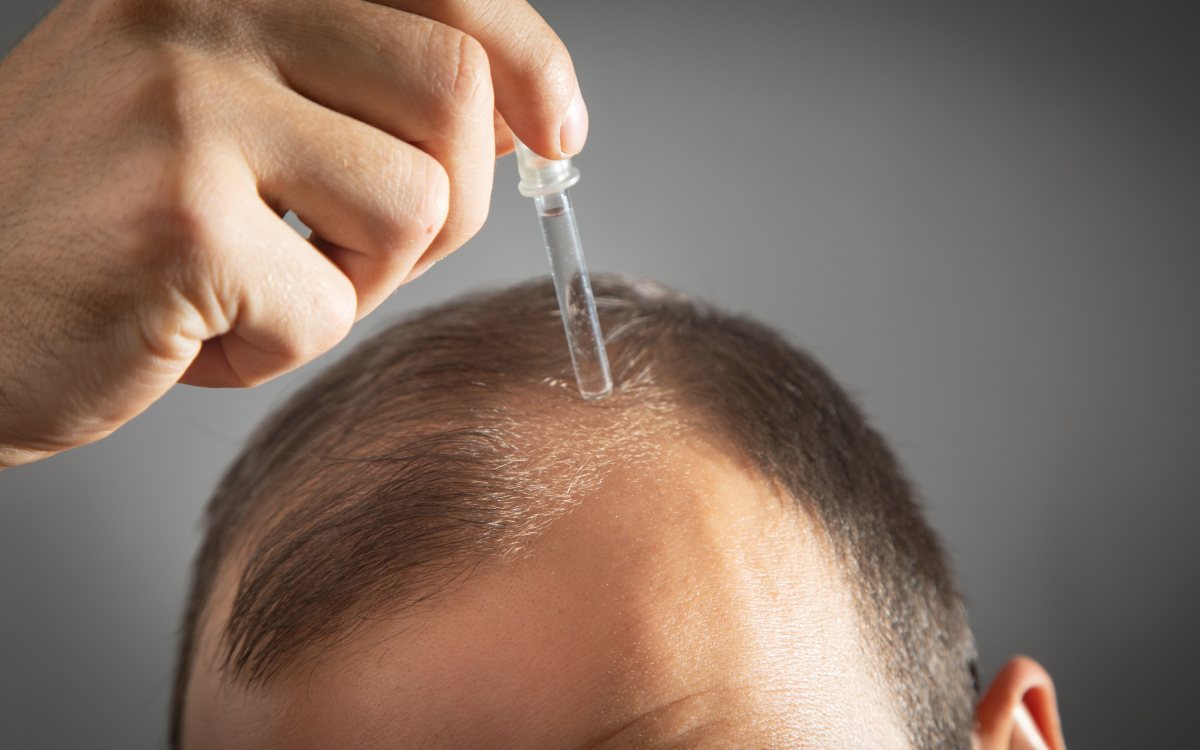
Losing around 50 to 100 strands of hair daily is quite normal. However, large clumps of hair on the pillow, in the shower drain, or on the brush can be a cause for concern and lead to balding in men and women. Fortunately, knowing the warning signs, causes, and management methods can help one slow hair loss and restore their confidence. Signs of balding  There are many early signs that can be observed before bald spots become visible. Knowing about these common indicators can be helpful. Receding hairline in men The hair along the temples appears to pull back, forming an M-shape. This usually starts in the 20s or 30s as hair along the front begins to thin gradually. Crown thinning The scalp becomes more visible at the top of the head. This happens when the hair density in this area drops. Many may see visible patches when brushing their hair or in bright light. Widening of the part in women  The central line along which hair is usually parted widens over time. Along with this, the hair starts to lose its overall thickness, appearing finer over time. Diffuse thinning Hair volume starts to decrease throughout the scalp. So, when running fingers through it or styling it in ponytails, one may notice that their hair feels less full.
Read More
02

Hemorrhoids – Symptoms, causes, and management

Hemorrhoids are swollen and enlarged veins that develop inside and outside of the rectum, which may cause a lot of discomfort and pain during stool passage. This condition results from several factors, including straining during bowel movements, inadequate fiber intake, chronic constipation, and prolonged sitting on the toilet. The good news is that the symptoms of hemorrhoids can improve over time by simply making small habit changes in daily life.​ Signs and symptoms Internal hemorrhoids typically do not cause any pain or obvious symptoms until they move outside the rectum. Since these develop inside the rectum, there is no way of knowing whether a person has the condition. Meanwhile, external hemorrhoids have several telltale signs that occur over time. A person can see small amounts of bright red blood during bowel movements. This is because swollen veins bleed easily, even with minimal friction. There is noticeable swelling around the outer area of the rectum, followed by a persistent uneasy feeling. A tender lump develops around the anus, causing pain and making it difficult to sit for extended periods. Stool or mucus leakage can worsen the discomfort. Sometimes, a person with the condition may experience a persistent feeling of incomplete bowel movement, resulting in frequent trips to the bathroom.
Read More
03

Causes and management options of hand tremors

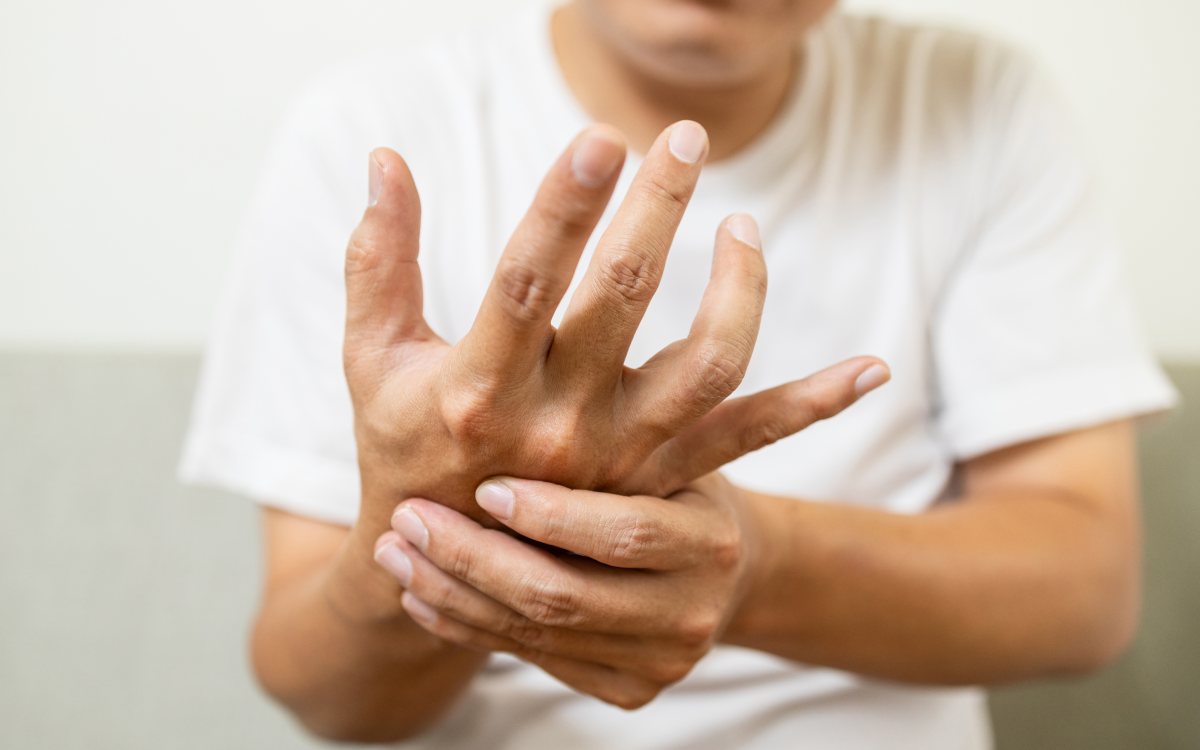
Hand tremors or shaky hands are a symptom of a neurological disorder called essential tremor (ET), characterized by involuntary, rhythmic shaking, most commonly affecting the hands. These tremors gradually worsen, making daily tasks challenging. The onset of essential tremor can happen at any age, but it’s most commonly seen in individuals aged 40 and older. The best approach to managing the condition is to determine a suitable management plan through expert consultation. Causes Hand tremors are a symptom caused by various health conditions, including essential tremor. Other possible reasons for hand tremors include emotional stress, exposure to extreme temperatures, fatigue, and an excessive intake of stimulants like caffeinated drinks. Enhanced physiologic tremor This is one of the most commonly observed postural tremors (i.e., tremors that occur when a position is maintained against gravity). Enhanced physiologic tremor (EPT) usually affects the hands and fingers on both sides of the body. A few factors, such as chronic stress, lack of sleep, excessive caffeine intake, and vigorous exercise, can worsen EPT in some individuals. Anxiety and fatigue may also lead to shaky hands. Neurological conditions Sometimes, tremors, including shaky hands, are caused when deep parts of the brain that control movement don’t work as they should.
Read More