
Why Joint Health Becomes a Priority After 60
Joints are where two or more bones meet, cushioned by cartilage — a smooth, firm tissue that absorbs shock and reduces friction during movement. Beginning in middle age, cartilage gradually thins, and the fluid that lubricates joints may decrease. These changes are a normal part of aging, but they do raise the risk of discomfort, stiffness, and conditions such as osteoarthritis.
For adults over 60, this shift makes deliberate joint care more worthwhile than ever. The good news is that everyday habits — how you move, what you eat, and how you rest — have a genuine influence on how well your joints function over time. You do not need a diagnosis to start. Preventive habits benefit everyone.
Cartilage
A smooth, firm tissue that covers the ends of bones inside joints, acting as a cushion and reducing friction during movement.
Synovial fluid
A thick liquid produced inside joints that lubricates and nourishes cartilage, helping joints move smoothly.
Osteoarthritis
The most common form of arthritis, where cartilage gradually wears down over time, causing pain, stiffness, and reduced joint movement.
Inflammation
The body's natural response to injury or irritation; when chronic and low-grade, it can contribute to joint tissue breakdown over time.
Low-impact activity
Exercise that keeps at least one foot on the ground or uses water for support, reducing the force placed on joints compared to high-impact movements like running.
This article is general health information and is not a substitute for personalised medical advice. Always consult a qualified healthcare professional about your specific situation.
Movement: The Foundation of Joint Care
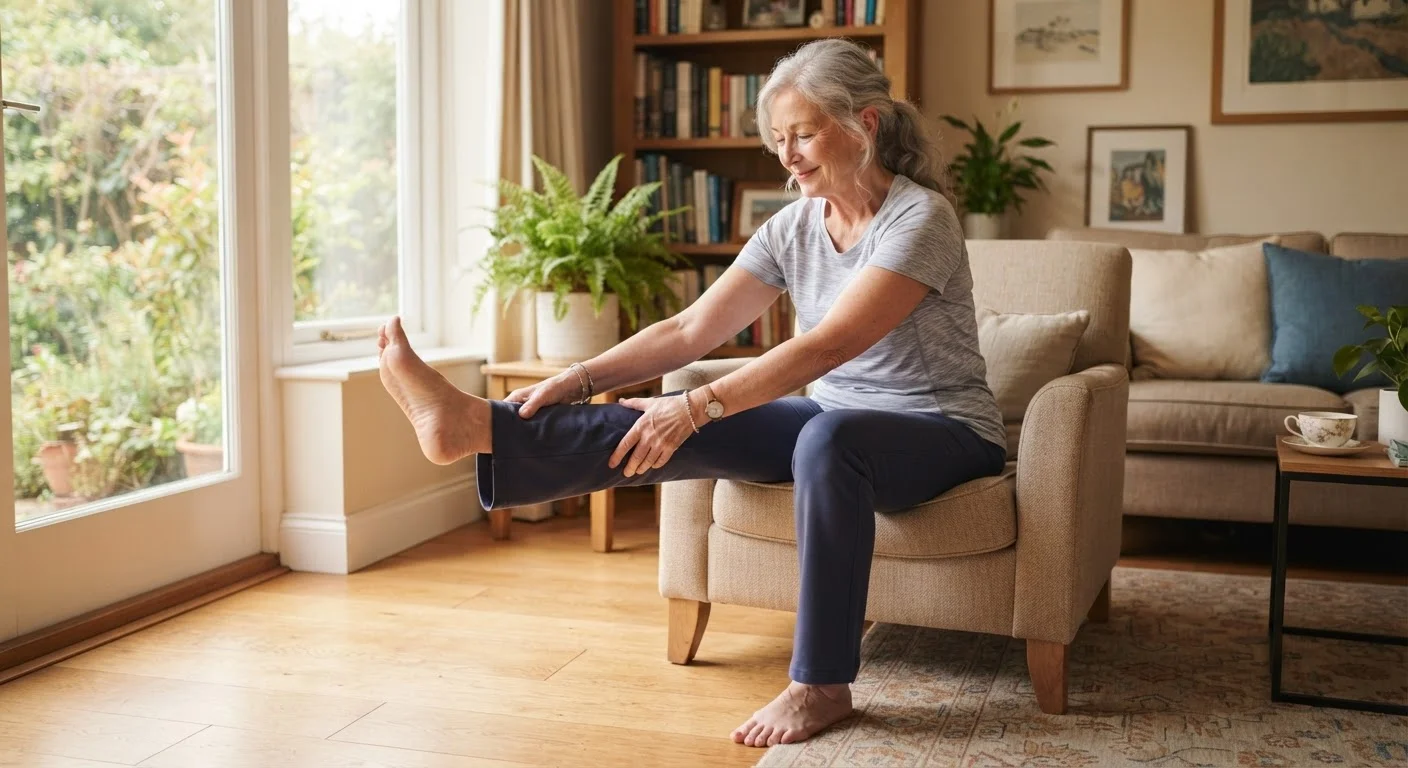
Joints are designed to move. Staying active helps maintain the range of motion joints need, strengthens the muscles that support them, and encourages the production of synovial fluid — the joint's natural lubricant. Inactivity, by contrast, allows muscles to weaken and stiffness to build.
Low-impact activities are particularly well-suited to older adults because they provide cardiovascular and muscular benefits without placing excessive stress on cartilage. Walking, swimming, water aerobics, cycling, tai chi, and gentle yoga are all widely cited in clinical guidance as appropriate starting points. Even short, frequent bouts of movement throughout the day matter — you do not need long gym sessions.
Start Small and Build Gradually
If you haven't been active recently, beginning with just 10 minutes of gentle walking per day is a legitimate and clinically supported starting point. Gradual progression is safer than sudden intensity increases and helps your body — including your joints, tendons, and muscles — adapt without injury. Consistency over weeks matters far more than any single long session.
For a structured approach to weaving movement into your existing schedule, see our guide to building a joint-friendly daily routine. If pain currently makes movement feel difficult, starting an activity routine when joint pain is a barrier offers a beginner-focused framework.
Nutrition Habits That Support Healthy Joints
What you eat influences the level of systemic inflammation in your body — and chronic, low-grade inflammation is a key driver of joint tissue breakdown. A dietary pattern emphasising whole, minimally processed foods is associated with lower inflammatory markers in peer-reviewed research.
- Omega-3 fatty acids: Found in fatty fish (salmon, sardines, mackerel), walnuts, and ground flaxseed. Research suggests they may help moderate inflammatory processes in joint tissue.
- Colorful vegetables and fruits: Rich in antioxidants that help neutralise compounds linked to cell damage. Aim for variety across the color spectrum.
- Whole grains and legumes: Support a balanced gut microbiome, which emerging research links to inflammatory regulation.
- Adequate protein: Supports the muscle mass that cushions and stabilises joints.
- Hydration: Cartilage is largely water. Staying well hydrated supports its resilience.
Maintaining a healthy body weight is also clinically significant — each extra pound of body weight places roughly four pounds of additional force on the knee joint with each step, according to widely cited biomechanical research. Dietary changes in support of weight management should always be discussed with a healthcare provider.
Those interested in broader healthy eating patterns may also find value in resources on heart-healthy eating after 60, as many anti-inflammatory food principles overlap with cardiovascular guidance.
Rest, Recovery, and Joint Protection
Rest is an active part of joint care, not simply the absence of effort. During sleep, the body repairs tissues — including the cartilage and connective tissue around joints. Most adults require seven to nine hours of quality sleep per night, though individual needs vary. Poor sleep is associated with heightened pain sensitivity, which can make joint discomfort feel more intense.
During waking hours, pacing yourself across tasks reduces cumulative joint load. This means alternating demanding activities with lighter ones, taking brief rest breaks, and avoiding prolonged static positions (such as sitting or standing in one posture for hours without shifting).
Pacing Applies to Daily Tasks Too
Joint protection is not limited to exercise — it applies equally to routine activities such as cooking, cleaning, and gardening. Spreading demanding tasks across the day, using ergonomic tools, and avoiding prolonged awkward postures all reduce cumulative joint stress. Small adaptations to how you perform everyday tasks can meaningfully reduce discomfort over time.
For a deeper look at joint-protection principles during everyday tasks — from getting out of a chair to lifting objects — explore our practical framework for moving with less pain.
Building Your Personal Joint-Health Routine
The most effective joint-health routine is one you can maintain consistently. Rather than attempting a complete lifestyle overhaul, consider adding one habit at a time. A short daily walk, an additional serving of vegetables, or a consistent bedtime are all meaningful starting points.
Track how your joints feel over days and weeks — not just hours — to identify which changes seem to help. Keep your healthcare provider informed, particularly if you experience new or worsening pain, swelling, or loss of function. These may signal a condition that warrants evaluation.
For those ready to go deeper into the evidence behind these habits, our companion article on evidence-based principles for keeping joints healthy as you age examines the research behind each lifestyle strategy in more detail. You can also explore practical strategies for managing daily joint pain and resources within our active aging hub for movement guidance suited to older adults.
This article is for general informational purposes only and does not constitute medical advice. Consult a qualified healthcare professional before making changes to your exercise, diet, or health routine.