Search
Enter at least 3 characters
Exercise and movement strategies to keep older adults strong and mobile.
Updated daily · 16 stories

By Healthy Aging Editorial Team · 9 min read
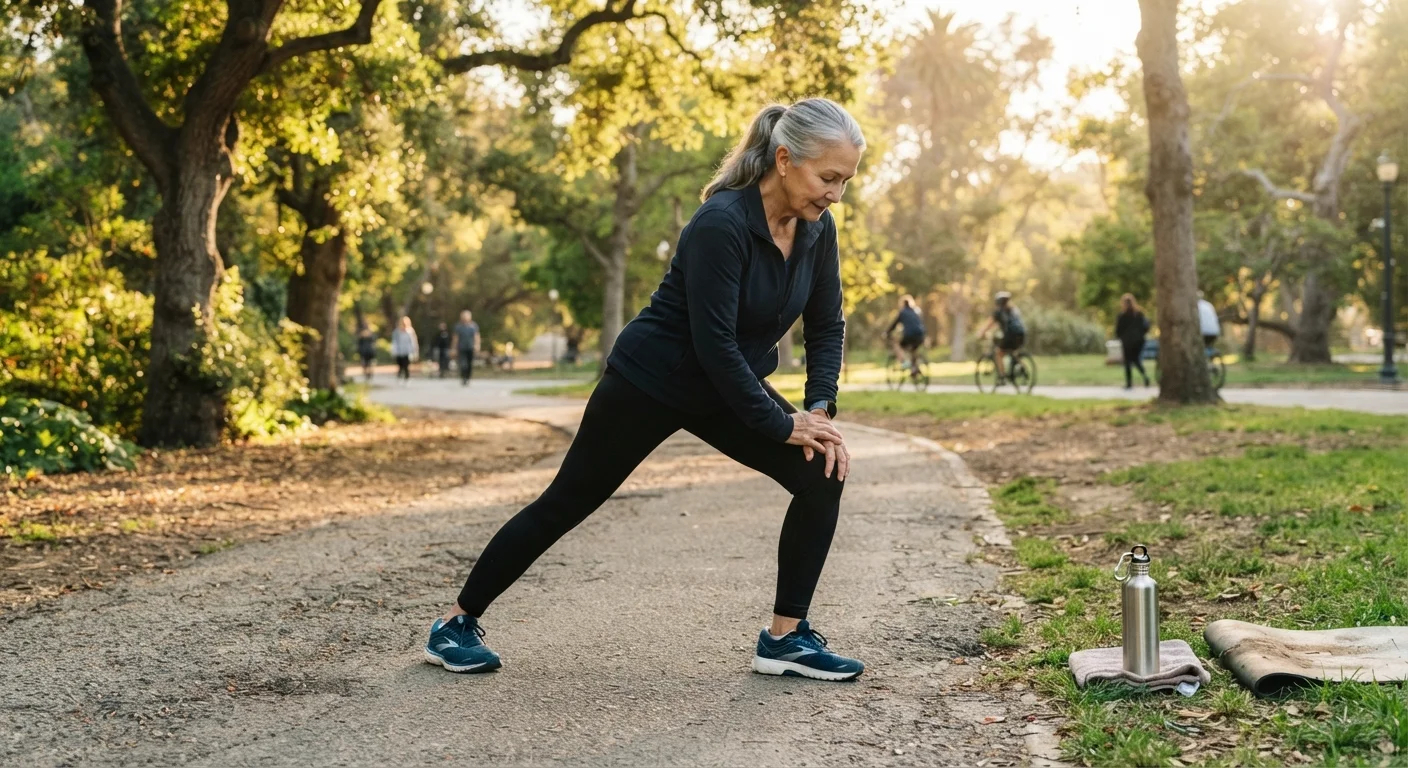
Well-intentioned habits can sometimes lead to injury or burnout. Understand the patterns that commonly derail older adul…
Cardio and strength training offer different but complementary benefits for aging bodies. Here's how to understand what …
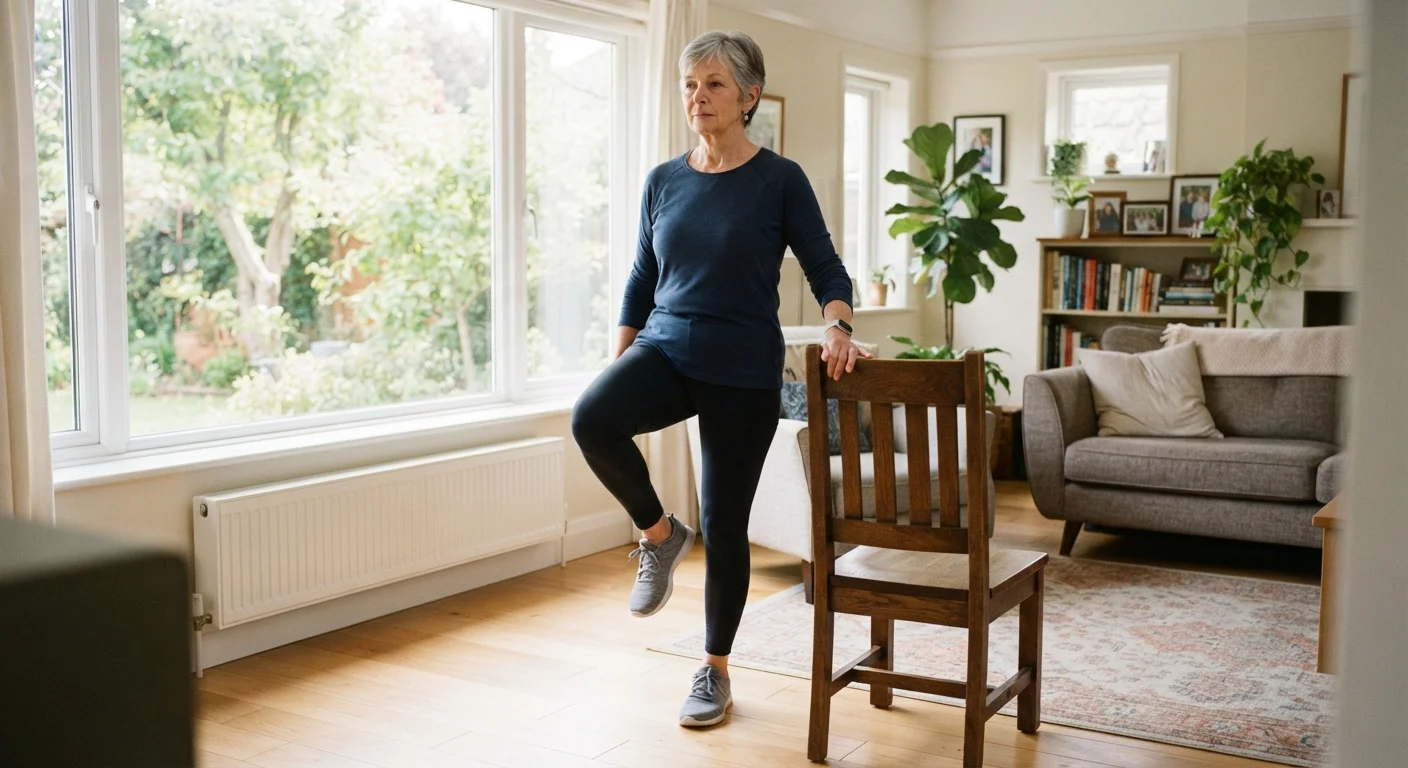
Falls are a leading cause of injury in older adults. Discover evidence-backed balance exercises that build stability and…
From 'it's too late to start' to 'older joints can't handle weights' — explore which exercise assumptions about aging ho…
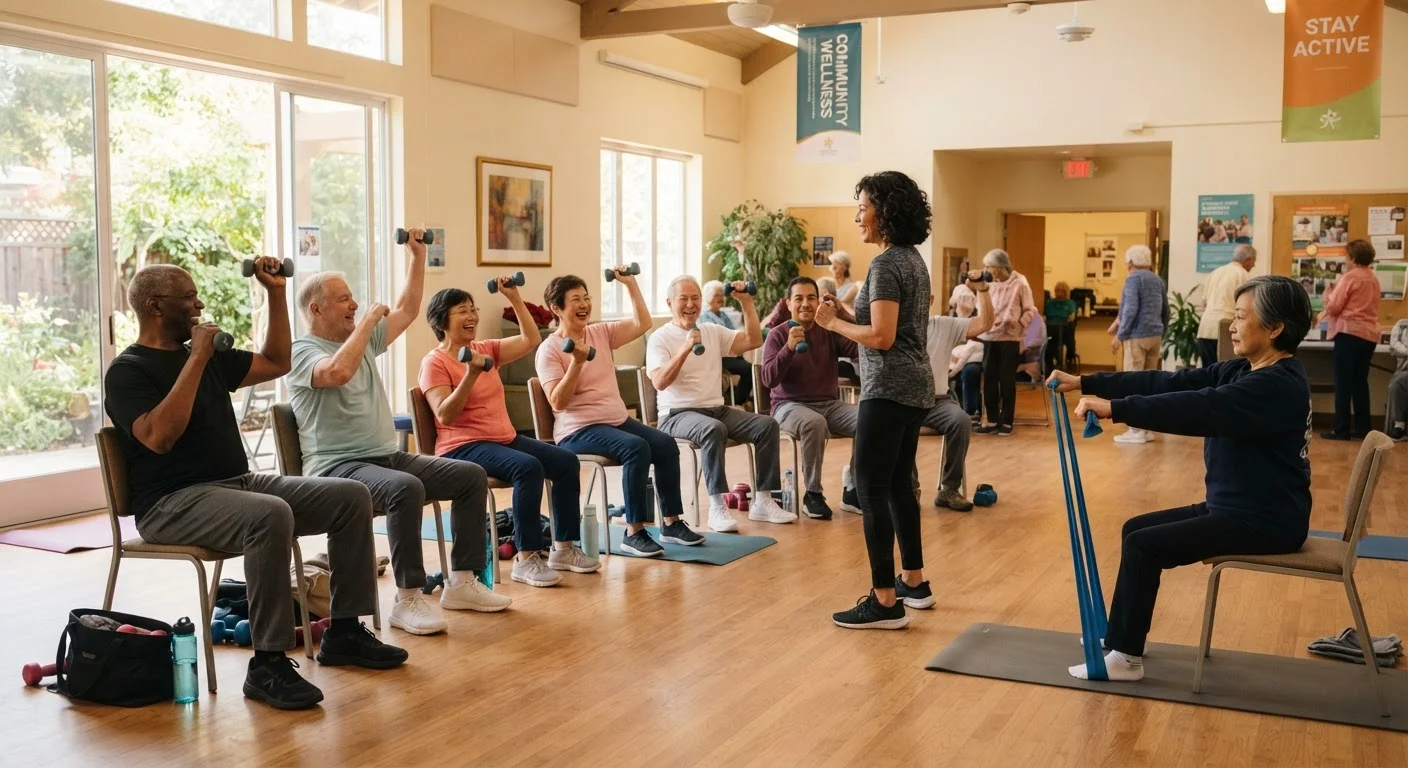
Both group classes and independent workouts have real advantages for older adults. Explore the social, motivational, and…
From VO2 max to progressive overload, this quick-reference glossary explains common fitness and exercise terms in straig…
Arthritis or joint stiffness doesn't mean giving up activity. Compare swimming, cycling, chair yoga, and other gentle op…
Daily movement choices — not just formal exercise — shape how well older adults function independently. Explore habits t…
Bodies change with age, and so should workouts. Recognise the signals — from persistent fatigue to stalled progress — th…
Movement can ease arthritis symptoms, but the type and intensity matter. Learn what research says about exercise for old…
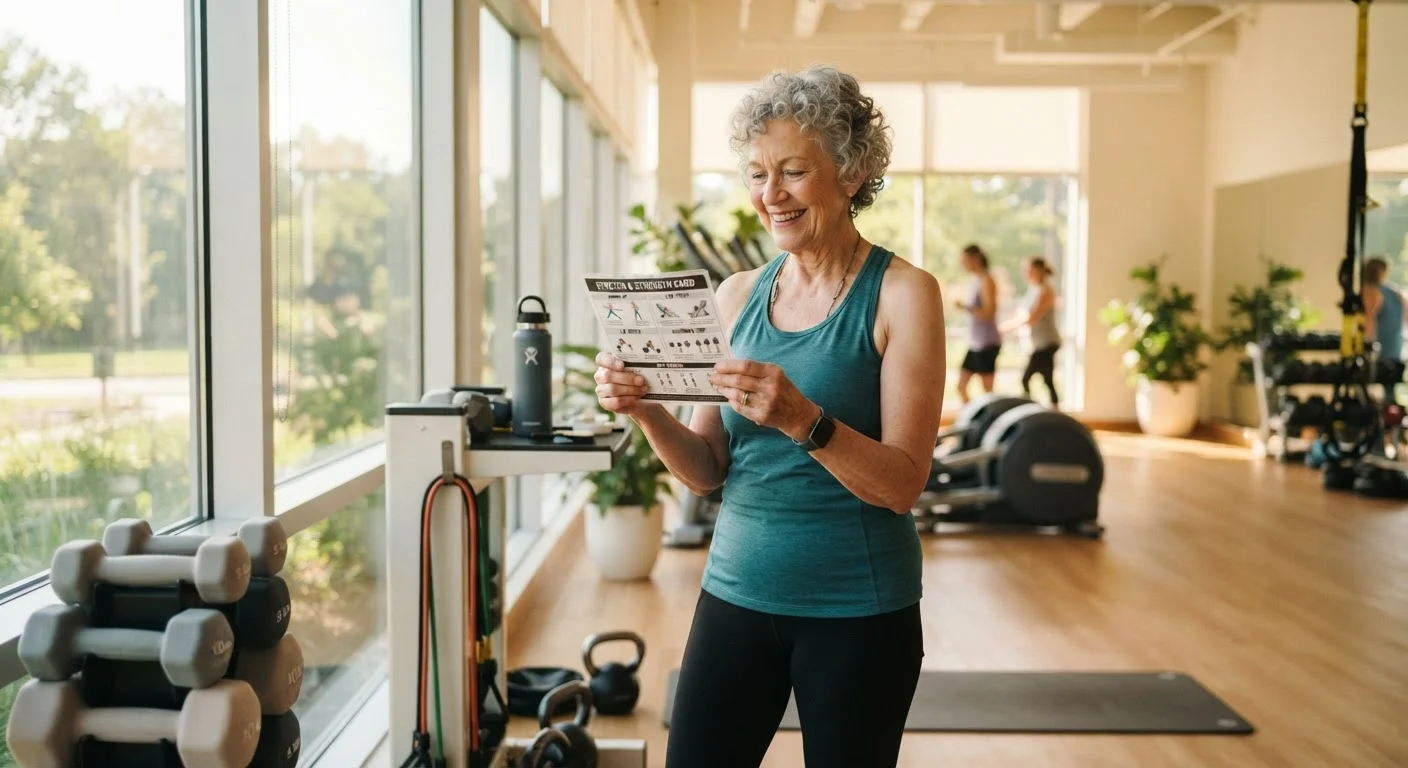
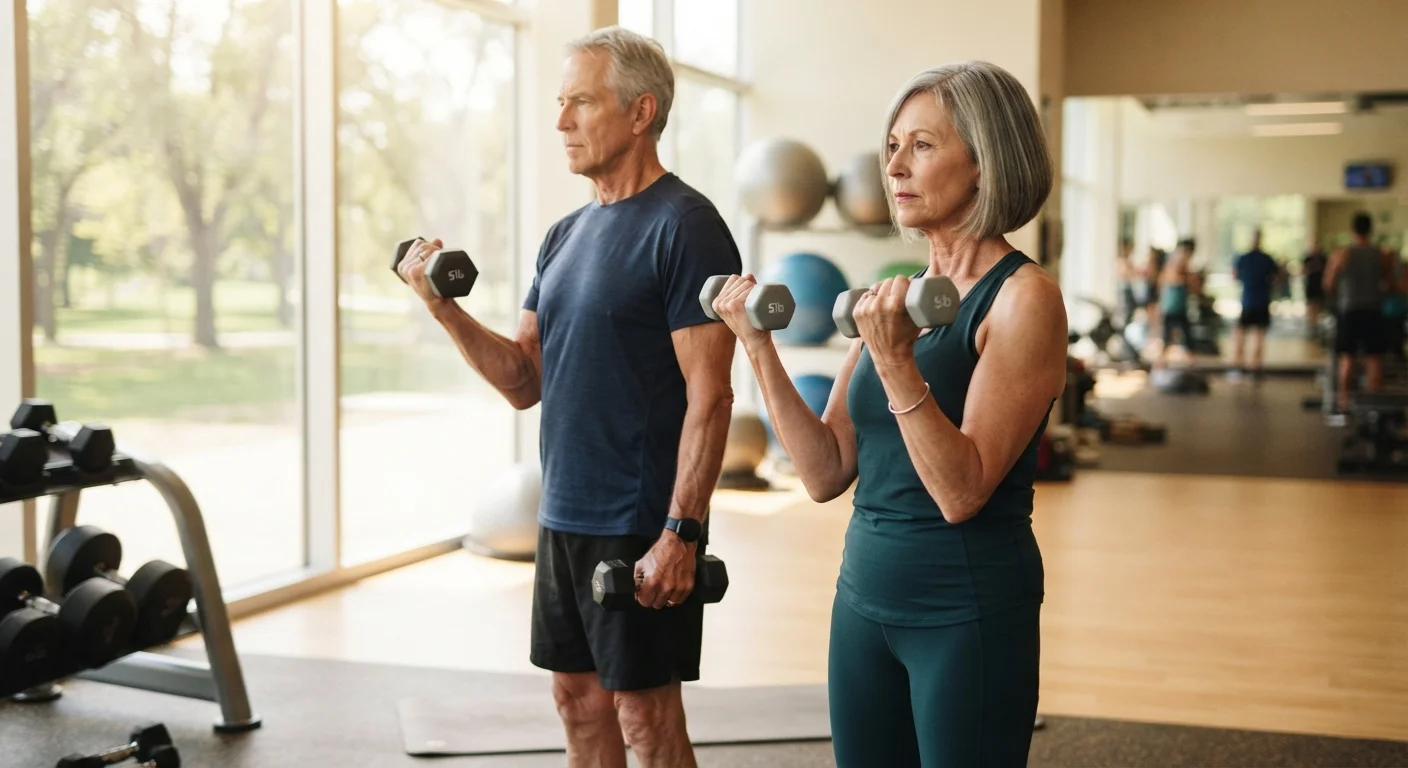
New to resistance exercise in later life? This guide covers the essentials — from equipment-free movements to safe progr…
Flexibility and joint mobility are often overlooked in fitness routines. This explainer covers why they decline with age…
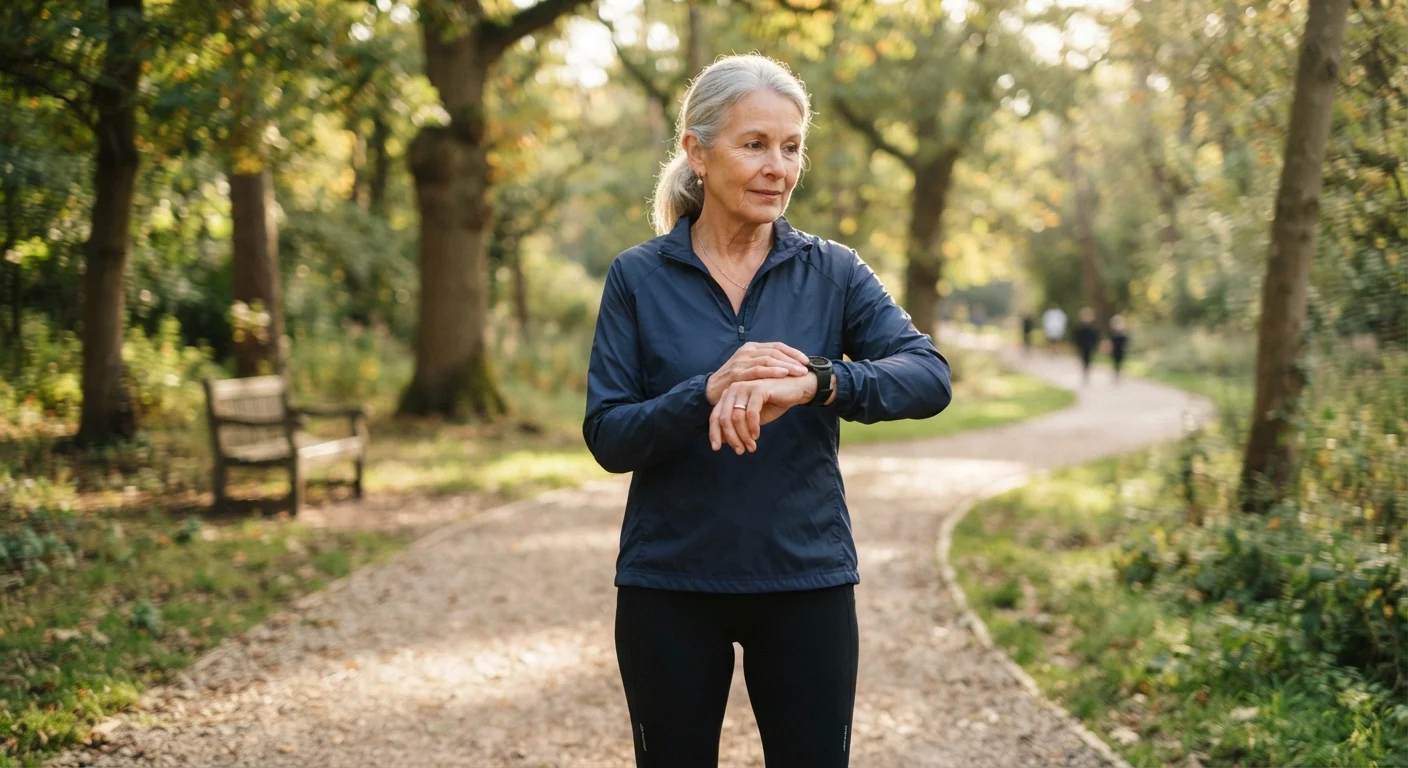
Walking is one of the most accessible forms of activity for older adults. Learn how pace, terrain, and consistency shape…
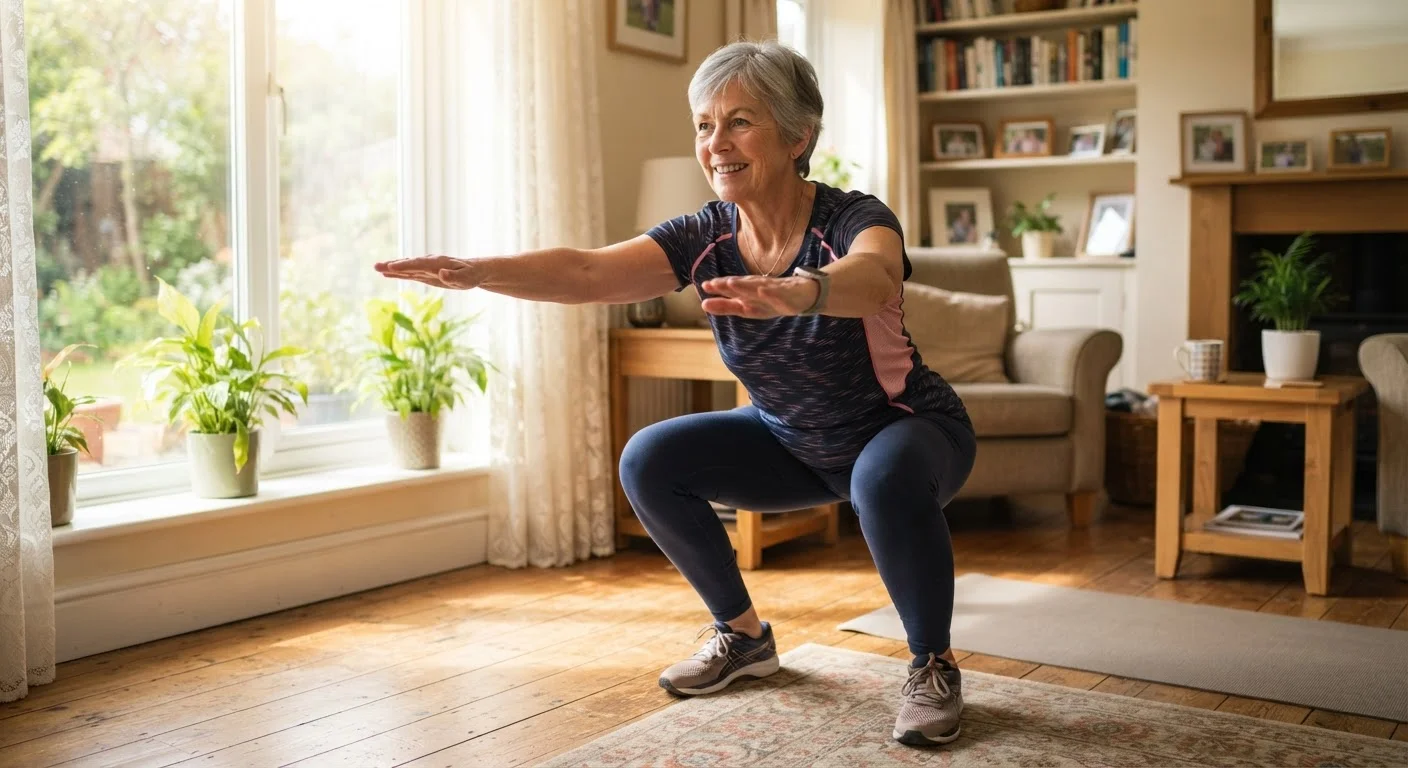
Functional fitness focuses on movements that mirror daily life — sitting, lifting, reaching. Here's how it differs from …
Sarcopenia affects most older adults quietly. Learn what drives age-related muscle loss and why preserving strength is c…