
Why Iron Becomes a Problem
Iron is an essential mineral — the body uses it to make haemoglobin, the protein in red blood cells that carries oxygen. In healthy individuals, the gut carefully regulates how much iron is absorbed from food, taking in only what the body needs and leaving the rest to pass through.
In hereditary haemochromatosis, that regulatory system is compromised at a genetic level. The body consistently absorbs more iron than it can use, and — critically — humans have no meaningful mechanism to excrete surplus iron. The excess accumulates slowly, year after year, depositing into tissues and organs. Think of it like a storage room that keeps receiving deliveries but has no way to send anything out.
This is what makes HH so insidious: the process is silent for a long time. Most people feel well through their thirties or even forties while iron quietly builds up inside them. It often takes a routine blood test, or a related diagnosis in a family member, to bring it to light. This pattern is explored further in our overview of gene-linked conditions that tend to surface after 60.
1 in 200
Northern Europeans with two C282Y gene variants
Population genetics studies estimate roughly 1 in 200–300 people of Northern European descent carry two copies of the C282Y HFE variant associated with haemochromatosis.
~10 years
Typical delay before symptoms appear
Excess iron accumulates gradually; most people with HH do not experience noticeable symptoms until their forties or fifties, representing years of silent iron buildup.
>90%
HH cases linked to HFE gene variants
The vast majority of hereditary haemochromatosis cases in people of European ancestry are associated with variants in the HFE gene, particularly C282Y.
Organs Most at Risk
When iron overload goes unaddressed, certain organs bear the heaviest burden:
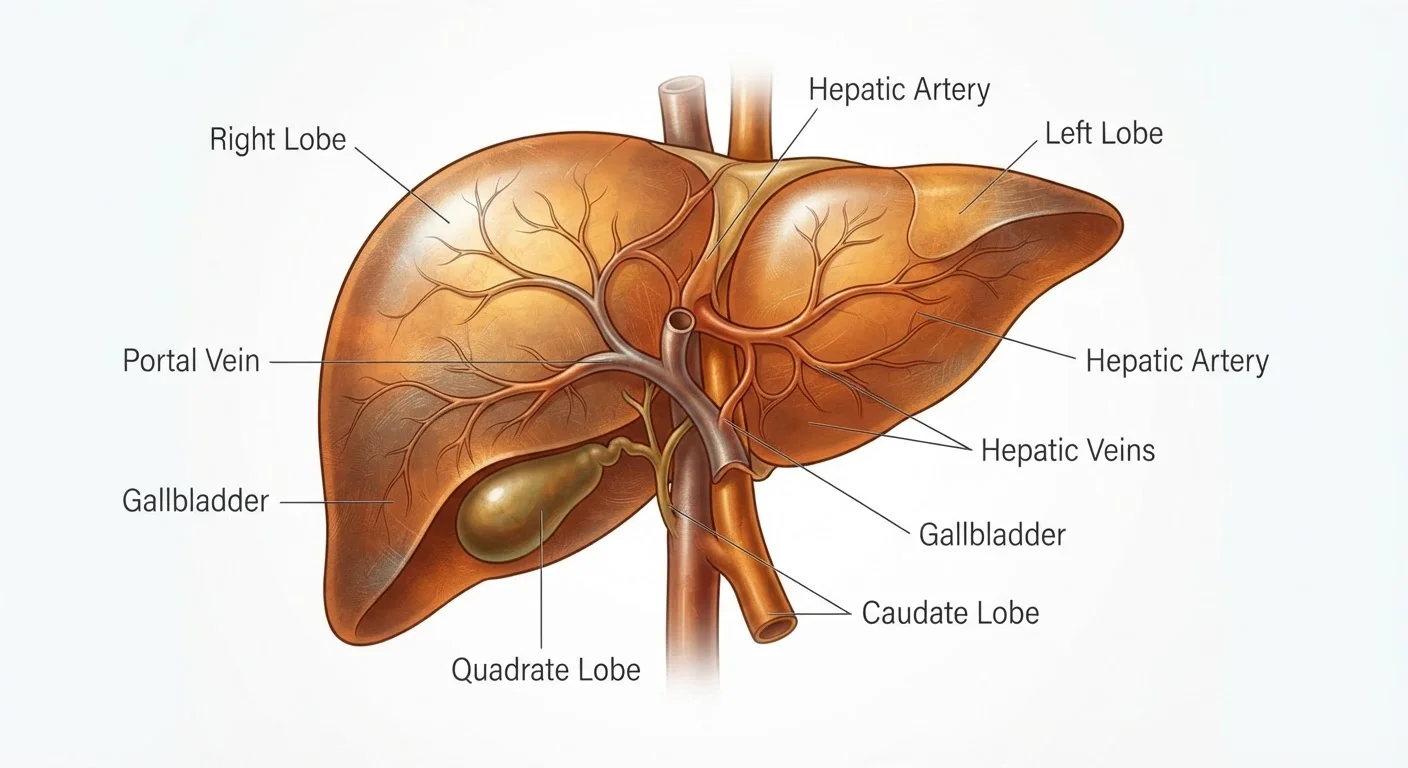
- Liver: The liver processes and stores iron, making it the first and most commonly affected organ. Excess iron can cause inflammation, scarring (fibrosis), and eventually cirrhosis — a form of irreversible liver damage. Cirrhosis also raises the risk of liver cancer.
- Pancreas: Iron deposits in the pancreas can impair insulin production, potentially leading to a form of diabetes sometimes called "bronze diabetes" — a term historically linked to haemochromatosis.
- Heart: Iron accumulation in heart muscle can cause irregular heartbeats (arrhythmias) and, in advanced cases, heart failure. Cardiac complications are among the most serious outcomes of untreated HH.
- Joints: Joint pain — particularly in the knuckles of the index and middle fingers — is one of the more distinctive and early complaints. Iron deposits in joint tissue can cause an arthritis-like condition.
- Endocrine glands: The pituitary gland and other hormone-producing structures may be affected, potentially leading to loss of libido or, in men, reduced testosterone levels.
The pattern of organ involvement helps explain why haemochromatosis can masquerade as several different conditions before the underlying cause is identified.
Inheritance, Risk, and Who Is Most Likely Affected
Hereditary haemochromatosis follows what geneticists call an autosomal recessive pattern. This means a person needs to inherit a faulty copy of the relevant gene from both parents to be at higher risk of iron overload. Someone who inherits just one copy is a carrier — they rarely develop significant iron accumulation themselves, but they can pass the variant to their children.
The most clinically significant variant is called C282Y in the HFE gene. People who inherit two copies of this variant (called homozygous C282Y) have the highest risk of developing iron overload, though not everyone with this genetic profile will go on to experience symptoms or organ damage. Other variants, such as H63D, are more common but generally associated with milder iron elevation.
HH is particularly prevalent among people of Northern European descent, with estimates suggesting that roughly 1 in 200 to 1 in 300 individuals of this ancestry carry two copies of the C282Y variant. Understanding your family history is therefore meaningful — as outlined in our guide to family health history and inherited conditions.
Not Everyone With the Gene Develops the Disease
Having two copies of the C282Y variant increases a person's risk of iron overload, but it does not guarantee that organ-damaging levels will develop. Factors including biological sex, diet, alcohol use, and other health conditions influence how much iron actually accumulates. This is why genetic testing results should always be interpreted alongside blood iron measurements and clinical evaluation by a healthcare professional.
Diagnosis and Management
Because symptoms are vague and gradual, haemochromatosis is often identified through blood tests ordered for unrelated reasons. Two key measurements are used:
- Transferrin saturation: This indicates what proportion of iron-carrying proteins in the blood are actually loaded with iron. A high value raises suspicion.
- Serum ferritin: This reflects total iron stored in the body. Elevated ferritin, particularly when combined with high transferrin saturation, prompts further investigation.
Genetic testing can then confirm whether HFE mutations are present. If liver damage is a concern, a biopsy or imaging may be used to assess its extent.
The primary treatment — therapeutic phlebotomy (regular blood removal) — is straightforward and effective when started before major organ damage occurs. Removing blood reduces the amount of iron-laden red blood cells, prompting the body to use stored iron to make new ones. Frequency is adjusted based on how quickly iron levels fall and stabilize.
Like hypertension, haemochromatosis often causes no symptoms until damage is already present — making awareness and routine screening genuinely consequential for those with a family history.
“Haemochromatosis is one of the most common genetic conditions we have the tools to detect early — yet it remains significantly underdiagnosed, often because the early symptoms are attributed to ageing or other causes.”
— Dr. Paul Adams, Hepatologist and haemochromatosis researcher, Western University, Canada
This article is for informational purposes only and does not constitute medical advice. If you have concerns about iron levels, genetic risk, or a family history of haemochromatosis, please speak with a qualified healthcare professional.