
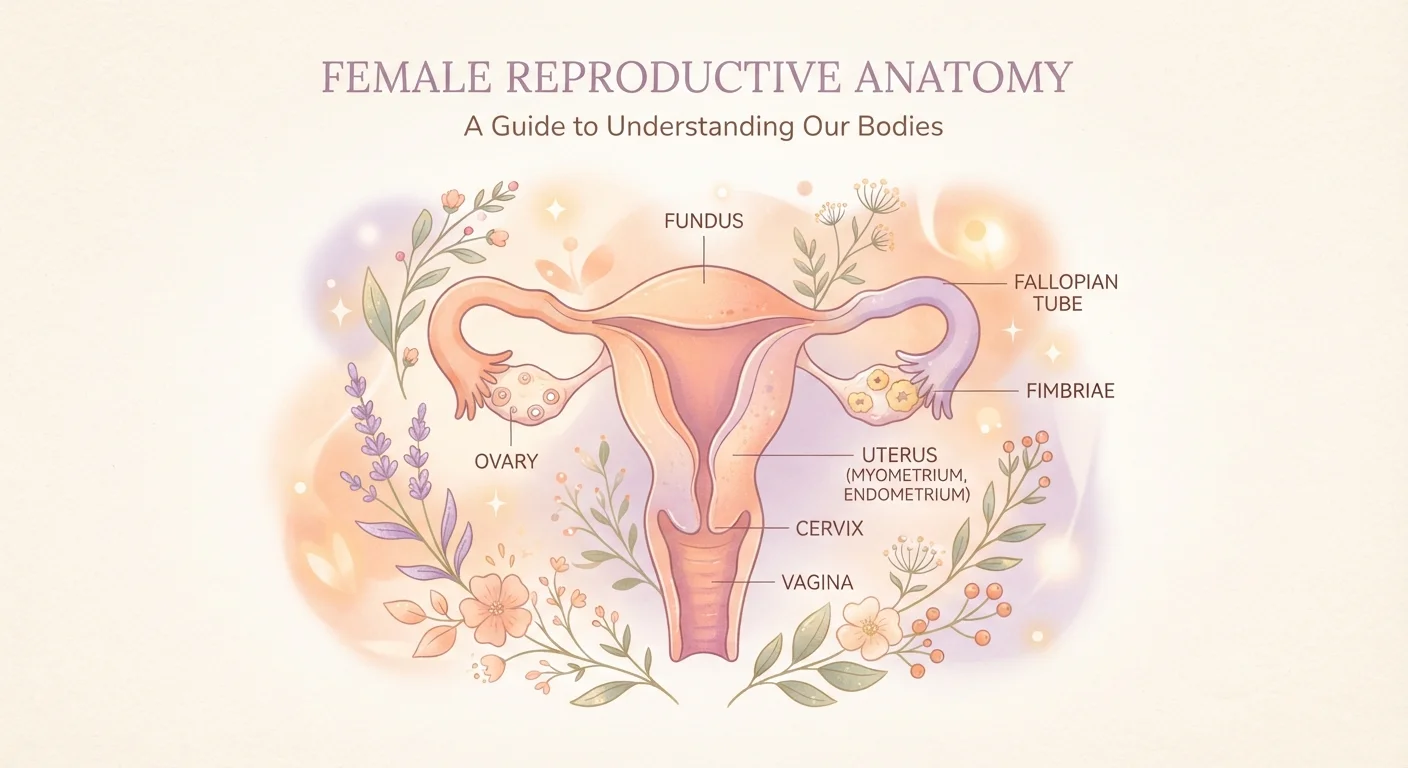
What Are Uterine Fibroids?
Uterine fibroids — also called leiomyomas or myomas — are noncancerous growths that develop from the muscular wall of the uterus. They can range in size from a tiny seedling to a mass large enough to distort the shape of the uterus, and a woman may have one fibroid or several at the same time.
Leiomyoma
The medical term for a uterine fibroid — a noncancerous tumor made of smooth muscle cells from the uterine wall.
Intramural fibroid
A fibroid that grows within the muscular wall of the uterus; the most common type.
Submucosal fibroid
A fibroid that protrudes into the uterine cavity; closely associated with heavy menstrual bleeding.
GnRH agonist/antagonist
A class of medications that alter hormone signaling to reduce estrogen levels, which may temporarily shrink fibroids or ease symptoms.
Myomectomy
A surgical procedure that removes fibroids from the uterus while leaving the uterus itself intact.
Uterine fibroid embolization (UFE)
A minimally invasive procedure where tiny particles are injected to block blood flow to fibroids, causing them to shrink over time.
Fibroids are classified by where they grow:
- Intramural: within the muscular uterine wall — the most common type
- Submucosal: protruding into the uterine cavity, often associated with heavier bleeding
- Subserosal: growing outward from the outer surface of the uterus
- Pedunculated: attached to the uterus by a thin stalk
Because fibroids are sensitive to estrogen and progesterone, they tend to grow during reproductive years and typically shrink after menopause. They are not the same as endometriosis or adenomyosis — conditions that involve uterine tissue but are distinct in origin and behavior. Our article on endometriosis vs. adenomyosis explains those differences clearly.
How Common Are Fibroids — and Who Is at Greater Risk?
Fibroids are among the most common benign gynecologic conditions. Research suggests that by age 50, a substantial majority of women will have developed fibroids, though many will never know because symptoms are absent.
Certain factors are associated with a higher likelihood of developing fibroids or experiencing more severe symptoms:
- Race and ethnicity: Black women are diagnosed with fibroids at significantly higher rates than white women and are more likely to develop them at a younger age, experience greater symptom burden, and require intervention. The reasons are likely multifactorial, including biological, hormonal, and systemic health-access factors.
- Family history: Having a close relative with fibroids raises individual risk.
- Age: Risk increases through the reproductive years, peaking in the 40s.
- Hormonal environment: Higher lifetime estrogen exposure — through early puberty onset or not having given birth — appears to be associated with greater risk.
Disparities in fibroid care are real
Research consistently documents that Black women not only develop fibroids more frequently but also face longer delays in diagnosis and treatment. Advocacy organizations and medical societies have called for greater attention to these inequities. If you feel your symptoms are not being taken seriously, seeking a second opinion is a reasonable and valid choice.
If you or a family member has been diagnosed, understanding the range of experiences can be empowering. Fibroids are not a reflection of lifestyle choices, and having them does not mean serious illness is inevitable.
Recognizing Symptoms
Up to half of women with fibroids report no symptoms at all — their fibroids are discovered incidentally during a pelvic exam or imaging done for another reason. When symptoms do occur, they commonly include:
- Heavy or prolonged menstrual bleeding — sometimes with clots, which can lead to iron-deficiency anemia
- Pelvic pressure or a feeling of fullness in the lower abdomen
- Frequent urination or difficulty fully emptying the bladder when a fibroid presses on it
- Lower back or leg pain
- Pain during sexual intercourse
- Constipation if a fibroid presses on the rectum
Symptom severity depends largely on fibroid size, number, and location rather than simply their presence. Submucosal fibroids, for example, are particularly linked to heavy bleeding even when small. It is worth knowing that fibroids share some symptoms with other conditions — such as polycystic ovary syndrome (PCOS) — which is why a clinical evaluation is important for an accurate picture.
Keep a symptom diary before your appointment
Tracking your menstrual cycle length, flow heaviness, pain levels, and any other symptoms over one to two cycles gives your healthcare provider valuable information. Note how symptoms affect your daily activities — this detail helps guide management decisions more effectively than memory alone.
Diagnosis and What to Expect
If your healthcare provider suspects fibroids based on your symptoms or a pelvic exam, they will typically order imaging to confirm the diagnosis and assess fibroid characteristics. Transvaginal or abdominal ultrasound is the most commonly used first-line tool. In some cases, additional imaging such as an MRI may be recommended to better evaluate fibroid number, size, and location — particularly when surgery is being considered.
Other diagnostic steps might include blood tests to check for anemia if heavy bleeding is a concern, or a sonohysterogram (saline infusion ultrasound) to visualize the uterine cavity more clearly.
A diagnosis of fibroids is not an automatic signal for treatment. Many providers take a watchful waiting approach when symptoms are mild or absent, with periodic monitoring to track any changes.
Management Approaches Your Provider May Discuss
There is no single right answer for fibroid management. The approach that makes sense for you will depend on symptom severity, fibroid characteristics, your age, reproductive goals, and overall health. Broadly, options fall into three categories:
Watchful Waiting
For women with small fibroids and minimal symptoms — especially those approaching menopause — monitoring without active intervention is often appropriate. Regular check-ins allow your provider to track any changes.
Medical Management
Several medication types may help control symptoms such as heavy bleeding or pelvic pain. Hormonal options — including certain IUDs, oral contraceptives, and GnRH (gonadotropin-releasing hormone) agonists or antagonists — work by modifying the hormonal environment. Some may shrink fibroids temporarily. Because hormonal therapy involves trade-offs, any decision should be a well-informed conversation with your provider. Our article on hormone therapy and menopause provides useful context about hormonal considerations for older women.
Procedural and Surgical Options
When symptoms significantly affect quality of life or conservative approaches are insufficient, providers may discuss minimally invasive or surgical procedures:
- Uterine fibroid embolization (UFE): A radiological procedure that reduces blood supply to fibroids, causing them to shrink
- Myomectomy: Surgical removal of fibroids while preserving the uterus — relevant for those who wish to retain fertility
- Endometrial ablation: Destroys the uterine lining to reduce bleeding; not appropriate for those who may wish to become pregnant
- Hysterectomy: Surgical removal of the uterus — the only definitive cure for fibroids, but a significant decision with permanent implications
The right path forward is deeply personal. Open, ongoing dialogue with a trusted gynecologist or specialist is the foundation of good fibroid care.
This article is for general informational purposes only and does not constitute medical advice. Always consult a qualified healthcare professional for guidance about your individual health situation.
Heavy bleeding can lead to anemia
Prolonged or very heavy menstrual periods associated with fibroids can cause iron-deficiency anemia, leaving you feeling exhausted, dizzy, or short of breath. If you notice these signs alongside heavy bleeding, let your healthcare provider know — anemia is treatable but should not go unaddressed.