
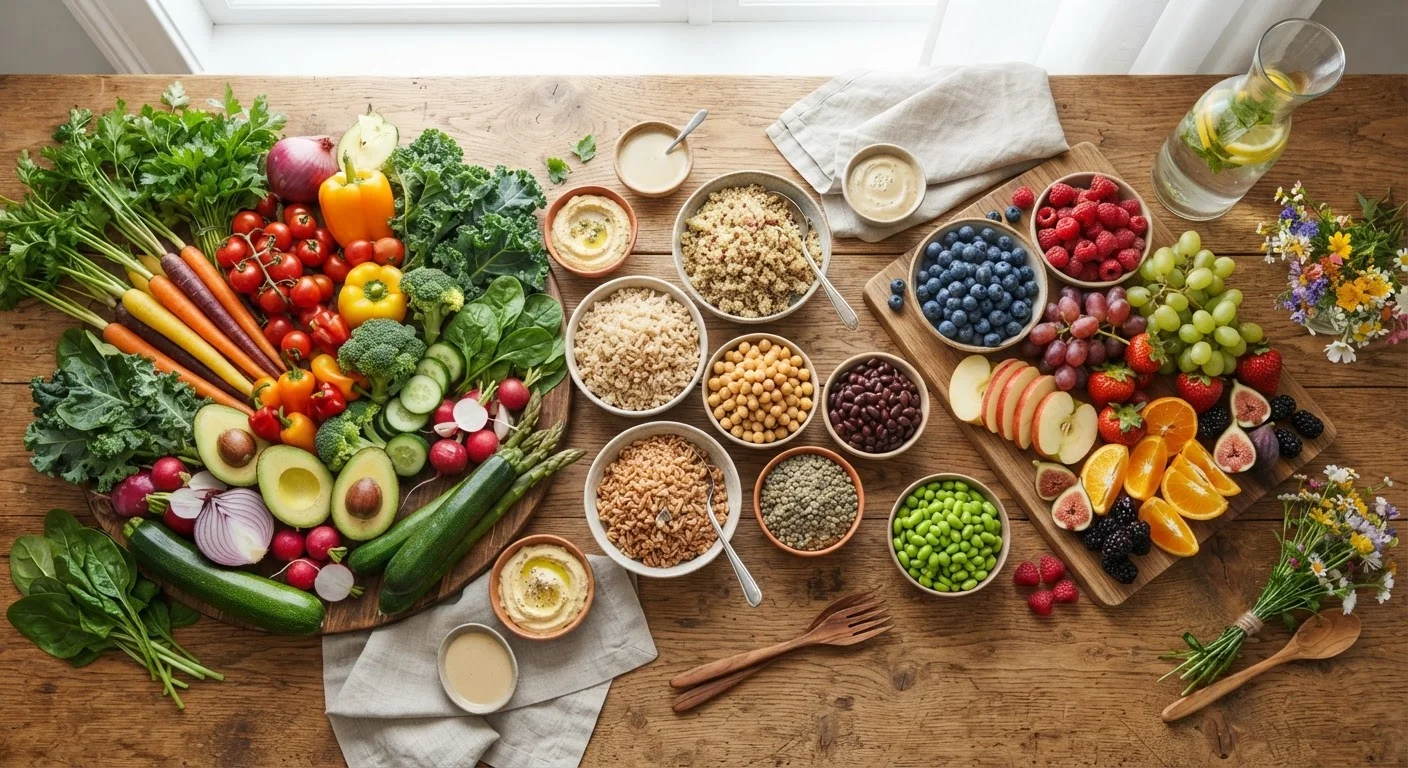
Why Diet Is Considered a Modifiable Cancer Risk Factor
Among the factors that influence lifetime cancer risk, diet stands out because it is something people can actively shape. Unlike age, inherited gene variants, or family history, dietary patterns are modifiable — meaning choices made over time can meaningfully affect biological processes tied to cancer development.
Large-scale research, including studies coordinated by the World Cancer Research Fund (WCRF) and the National Cancer Institute, consistently finds that what people eat across decades influences inflammation levels, hormone regulation, cell repair mechanisms, and the health of the gut microbiome — all of which play roles in cancer risk. This does not mean a single meal determines anything, but sustained dietary patterns do matter.
For a broader look at how diet fits alongside other habits, see the lifestyle factors most consistently linked to lower cancer risk.
~30–35%
Cancer cases potentially linked to diet
World Cancer Research Fund estimates that diet, weight, and physical activity together may account for approximately 30–35% of cancer cases in high-income countries.
6+
Cancer types linked to alcohol consumption
The International Agency for Research on Cancer identifies alcohol as a cause of cancers at six or more sites, including the breast, liver, and colorectum.
~17%
Lower colorectal cancer risk with high fiber intake
A large meta-analysis published in the Annals of Oncology found that each 10g/day increase in fiber intake was associated with approximately 10–17% lower colorectal cancer risk.
Dietary Patterns With the Strongest Evidence
Nutrition research has moved away from studying single nutrients in isolation toward examining overall dietary patterns. The most consistently protective patterns share common features: they emphasize plant-based whole foods, fiber, and variety, while limiting highly processed items.
- Plant-forward diets: Higher intakes of vegetables, fruits, legumes, and whole grains are associated with lower risk for colorectal, stomach, and other cancers. Fiber, in particular, supports gut health and is linked to reduced colorectal cancer risk.
- Mediterranean-style eating: This pattern — rich in olive oil, fish, legumes, and vegetables — has been studied in relation to reduced risks for several cancers, including breast and colorectal cancer.
- High-fiber diets: Fiber feeds beneficial gut bacteria and helps speed transit time in the colon, reducing the duration that potential carcinogens contact the colon wall.
Diet also intersects with body weight. Excess body weight is linked to over a dozen cancer types — learn more in our article on how body weight and cancer risk are connected.
“The evidence that certain dietary patterns — particularly those emphasizing plant foods and limiting processed meats and alcohol — are associated with lower cancer risk is now substantial and consistent across multiple large studies.”
— World Cancer Research Fund International, Global nonprofit publishing the Continuous Update Project on diet, nutrition, and cancer
Foods and Substances Linked to Higher Risk
While no food guarantees cancer, certain categories carry meaningful evidence of increased risk, particularly when consumed regularly or in large amounts.
Processed and Red Meat
The International Agency for Research on Cancer (IARC) classifies processed meats — including bacon, hot dogs, sausage, and deli meats — as Group 1 carcinogens, meaning there is sufficient evidence they cause colorectal cancer in humans. Red meat is classified as Group 2A (probably carcinogenic). For a detailed look at the evidence, see processed meat, red meat, and cancer risk: sorting the evidence.
Alcohol
Alcohol is one of the most well-established dietary carcinogens. It is linked to cancers of the oral cavity, pharynx, esophagus, liver, colorectum, and breast. The risk increases with the amount consumed and does not appear to have a safe lower threshold.
Salt-Preserved and Heavily Processed Foods
Diets high in salt-preserved foods — particularly relevant to stomach cancer risk — have been consistently associated with gastric cancer. For context on stomach cancer risk factors, see our overview of stomach cancer risk factors.
Practical First Steps Worth Considering
Rather than overhauling everything at once, nutrition researchers suggest focusing on consistent patterns: add more vegetables, whole grains, and legumes to regular meals; limit processed meats to occasional use; and be honest with your healthcare provider about alcohol intake. Small, sustainable changes tend to be more durable than dramatic short-term overhauls.
What Diet Cannot Do: Understanding Its Limits
It is important to keep dietary risk in perspective. Diet is one factor among many. Inherited genetic variants, environmental exposures, age, and other biological factors also shape cancer risk significantly. Even the most nutritious diet cannot eliminate risk entirely.
Supplements are another area where expectations often exceed evidence. High-dose antioxidant supplements have not been shown to prevent cancer and, in some trials, have been associated with increased risk in specific populations. Nutrients appear to work best when consumed through whole foods rather than extracted in pill form.
For older adults, cancer risk is also shaped by genetics. The article cancer risk and genetics: what older adults should know offers useful context for understanding what is and is not within your control.
This article provides general health information and is not a substitute for personalized medical advice. Always consult a qualified healthcare provider or registered dietitian before making significant changes to your diet.