
What Is Sickle Cell Disease?
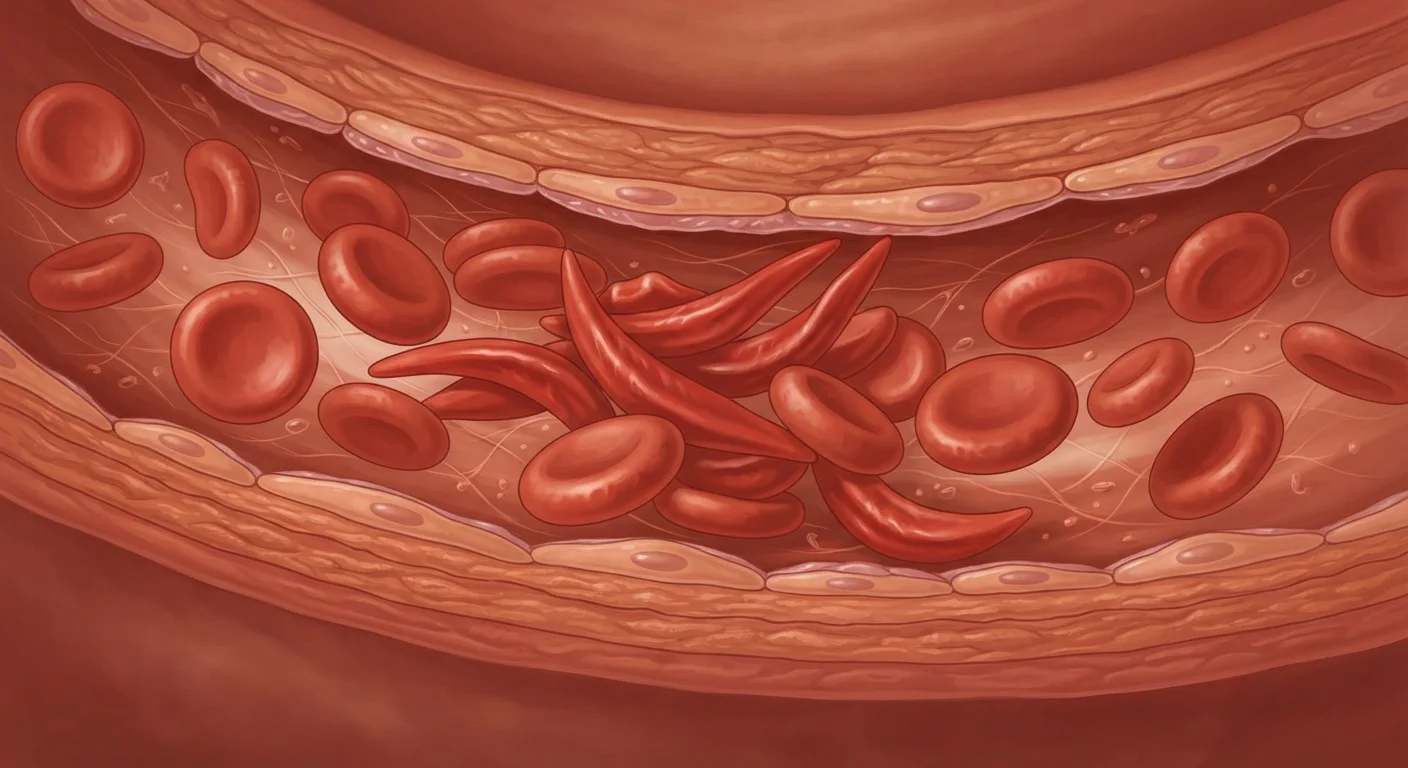
Sickle cell disease (SCD) is an inherited blood disorder that affects the shape and function of red blood cells. Normally, red blood cells are round and flexible, allowing them to travel easily through blood vessels. In people with SCD, a genetic change causes red blood cells to form a rigid, crescent — or "sickle" — shape. These abnormal cells can block blood flow, break down more quickly than healthy cells, and cause significant health complications over a lifetime.
SCD is not a single condition but a group of related disorders. The most common and typically most severe form is called hemoglobin SS disease. Others include hemoglobin SC disease and hemoglobin S beta-thalassemia. Each involves at least one copy of the sickle hemoglobin gene, but they vary in severity.
Understanding how SCD is inherited is essential — and it requires knowing the difference between having the disease and simply carrying the gene. See our guide to recessive inheritance for a fuller explanation of how conditions like SCD are passed through families.
| Inheritance pattern | Autosomal recessive |
| Genes involved | HBB gene (hemoglobin beta) |
| U.S. prevalence (SCD) | Approximately 100,000 Americans (CDC, Sickle Cell Disease Data & Statistics) |
| U.S. carrier prevalence | Approximately 1 in 13 Black or African American births (CDC, Sickle Cell Disease Facts) |
| Newborn screening | Standard in all 50 U.S. states |
| Most affected populations | African, Mediterranean, Middle Eastern, and South Asian ancestry |
Carriers vs. Those Affected: A Critical Distinction
SCD follows an autosomal recessive inheritance pattern. Every person inherits two copies of the hemoglobin gene — one from each parent. The outcome depends entirely on which combination a person receives.
- Sickle cell trait (carrier): A person who inherits one normal hemoglobin gene and one sickle hemoglobin gene. They carry the sickle gene but do not have the disease. Most carriers live without symptoms and are generally healthy.
- Sickle cell disease: A person who inherits two sickle hemoglobin genes (or one sickle gene paired with another abnormal hemoglobin gene). They have the disease and will experience health effects throughout life.
Carrying sickle cell trait is not the same as having sickle cell disease — a distinction that matters enormously for health planning, family decisions, and medical care. For a broader perspective on what a genetic variant means for your future health, see the difference between genetic risk and genetic destiny.
Sickle cell disease (SCD)
An inherited blood disorder in which red blood cells form an abnormal crescent shape, impairing blood flow and causing a range of health complications. It requires inheriting two abnormal hemoglobin genes.
Sickle cell trait
The carrier state for SCD, in which a person has one normal and one sickle hemoglobin gene. Carriers do not have the disease and are generally healthy, though they can pass the gene to their children.
Hemoglobin
The protein inside red blood cells that carries oxygen throughout the body. In sickle cell disease, an altered form of hemoglobin causes cells to stiffen and deform.
Autosomal recessive
An inheritance pattern in which a condition only develops when a person inherits two copies of an altered gene — one from each parent. Carrying just one copy typically does not cause the condition.
Pain crisis
A sudden, severe episode of pain that is a hallmark complication of sickle cell disease. It occurs when sickle-shaped cells block blood flow in small blood vessels, starving surrounding tissues of oxygen.
Newborn screening
A set of tests performed shortly after birth to detect certain serious conditions early, before symptoms appear. In the U.S., screening for sickle cell disease is standard in all states.
Health Implications and Living With SCD
For people living with sickle cell disease, the blocked blood flow caused by sickle-shaped cells can affect nearly any organ. Common health challenges include episodes of intense pain (called pain crises), anemia, increased risk of stroke, organ damage over time, and higher susceptibility to certain infections.
For carriers, day-to-day health is generally unaffected. In rare circumstances — such as extreme altitude, severe dehydration, or intense physical exertion — some carriers may experience complications, though this is uncommon. Carriers should inform their healthcare providers of their status.
~100,000
Americans living with sickle cell disease
According to the CDC, sickle cell disease affects approximately 100,000 people in the United States.
1 in 365
Black or African American births affected by SCD
The CDC reports this birth prevalence rate among Black or African American newborns in the U.S.
1 in 13
Black or African American births with sickle cell trait
Carrier status is significantly more common than the disease itself, according to CDC data.
Diagnosis today typically occurs at birth through routine newborn screening programs, which are standard across the United States. Early diagnosis allows healthcare teams to begin preventive care promptly, including vaccines and medications that reduce complications. If you're curious about how genetic testing and diagnosis work in practice, learn how genetic conditions are diagnosed differently from standard illnesses.
People already living with SCD benefit most from coordinated care with a hematologist or specialist clinic, along with ongoing monitoring for organ health. Treatments have improved significantly and continue to evolve — a conversation with a qualified healthcare provider is the best source of current, personalized guidance.
This article is for general informational purposes only and does not constitute medical advice. Always consult a qualified healthcare professional regarding any health concerns, symptoms, or medical decisions related to sickle cell disease or carrier status.