Why Year-Round Monitoring Matters for Older Men
Cardiovascular disease remains the leading cause of death among men in the United States, and risk rises steadily with age. Yet many of the most important warning signals — elevated blood pressure, shifting cholesterol levels, or a gradually increasing resting heart rate — produce no obvious symptoms until a serious event occurs.
Year-round monitoring closes that gap. By tracking a handful of key metrics consistently, you build a personal baseline that makes abnormal readings easier to spot. That record also becomes a practical tool during medical appointments, giving your provider concrete data rather than vague impressions. See our guide to reviewing your heart health checkup results for questions to raise at your next visit.
This article is general health information, not medical advice. Always consult a qualified healthcare provider before making changes to your health monitoring routine or interpreting your results.
| Leading cause of US male deaths | Heart disease (CDC National Center for Health Statistics) |
| Ideal blood pressure target | Below 120/80 mmHg (American Heart Association guidelines) |
| Healthy resting heart rate range | 60–100 bpm (American Heart Association) |
| Waist circumference risk threshold (men) | 40 inches or more (National Institutes of Health) |
| Cholesterol screening frequency | Every 4–6 years minimum; more often if elevated (U.S. Preventive Services Task Force) |
Core Metrics to Track and How Often
Not every cardiovascular measurement requires daily attention, but each serves a distinct purpose. The table below summarizes the most clinically meaningful metrics for older men and recommended monitoring frequency.
| Metric | Recommended Frequency | Normal Range (General Reference) |
|---|---|---|
| Blood pressure | Daily or several times per week | Below 120/80 mmHg |
| Resting heart rate | Daily (morning, before rising) | 60–100 beats per minute |
| Fasting blood glucose | As directed by your provider | 70–99 mg/dL (fasting) |
| Total cholesterol panel | At least every 4–6 years; annually if elevated | Below 200 mg/dL total |
| Body weight / waist circumference | Weekly | Waist under 40 inches for men |
Ranges above are widely cited general references. Your provider may set personalized targets based on your full medical history.
Systolic pressure
The top number in a blood pressure reading, measuring the force in your arteries when your heart beats. Elevated systolic pressure is a key cardiovascular risk factor in older adults.
Diastolic pressure
The bottom number in a blood pressure reading, representing arterial pressure between heartbeats. Both systolic and diastolic values matter for assessing cardiovascular health.
Resting heart rate
The number of times your heart beats per minute while you are at complete rest, ideally measured first thing in the morning. A lower resting rate generally indicates better cardiovascular fitness.
Lipid panel
A blood test measuring total cholesterol, LDL (low-density lipoprotein), HDL (high-density lipoprotein), and triglycerides. Results help your provider assess your risk for artery-related disease.
Fasting blood glucose
A blood sugar measurement taken after at least eight hours without eating. Elevated fasting glucose can indicate prediabetes or diabetes, both of which increase cardiovascular risk.
Building a Simple Recording System
Consistency matters more than precision. A log that you actually maintain — even a basic paper notebook — is more useful than a sophisticated app you abandon after two weeks. Record the date, time of day, and conditions (such as whether you had caffeine beforehand or had just exercised) alongside each reading. Blood pressure, for example, varies considerably depending on activity, stress, and posture.
Digital options include smartphone health apps and some blood pressure monitors that sync readings automatically. If you manage multiple conditions, a unified health record can help your care team see the full picture. Our article on keeping a family health record covers practical formats for organizing ongoing health data. If medications are part of your cardiovascular management, the Managing Your Medications hub offers guidance on organizing and timing your daily regimen alongside your monitoring routine.
Measure Blood Pressure the Right Way
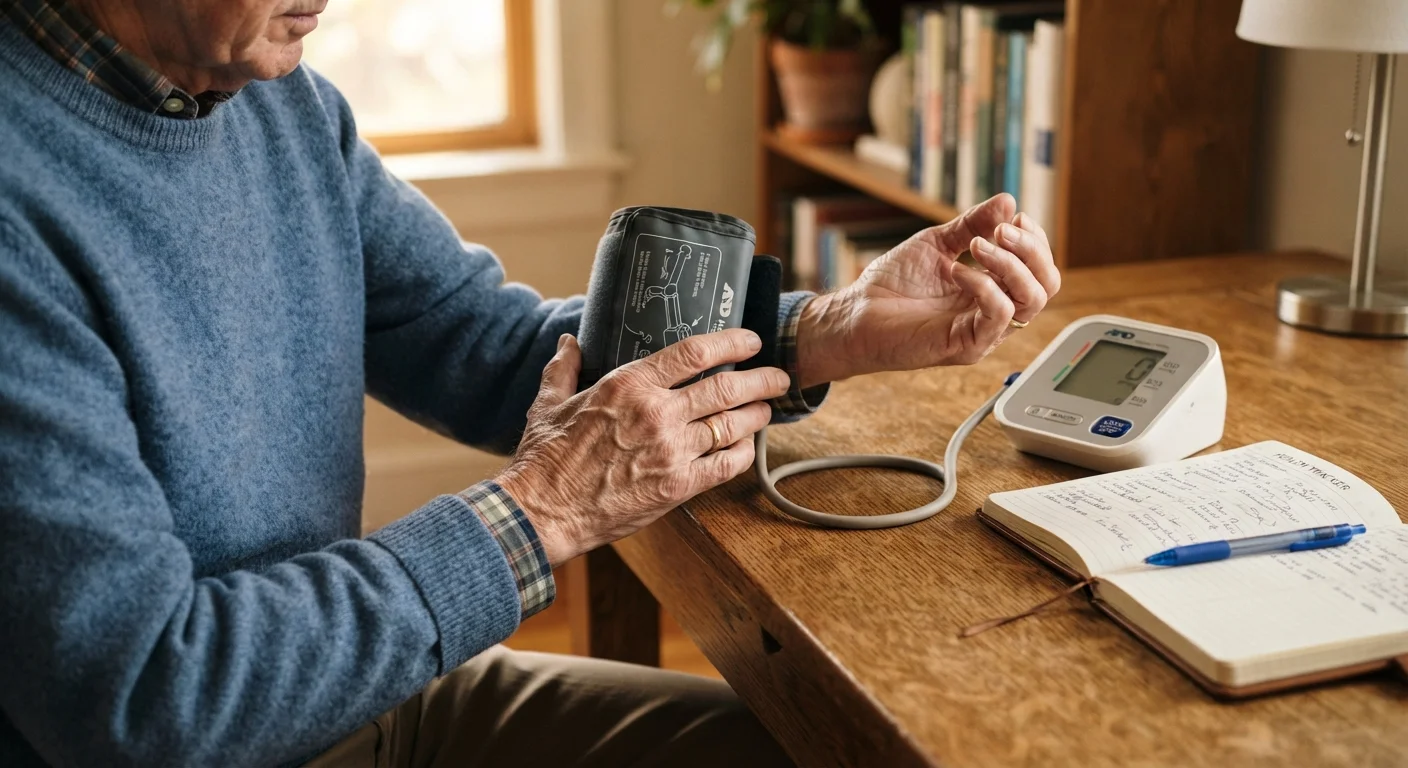
For the most accurate home readings, sit quietly for five minutes before measuring, keep your feet flat on the floor, and position the cuff at heart level. Take two or three readings one minute apart and record the average. Avoid caffeine, exercise, and tobacco for at least 30 minutes beforehand. Consistent technique makes your log far more useful to your provider.
Seasonal and Annual Check-In Milestones
Beyond daily and weekly logs, structured seasonal check-ins help you spot trends that single readings miss. Consider organizing your year around four review points:
- Winter: Cold weather raises blood pressure in many people. Review your resting averages and note any upward trend to discuss with your provider.
- Spring: Use this period to schedule your annual lipid panel and glucose screening if due. Physical activity often increases — a good time to recheck resting heart rate as fitness improves.
- Summer: Heat and increased perspiration can affect hydration and blood pressure readings. Stay consistent with timing and hydration before measuring.
- Fall: Daylight and activity levels typically decline. Review your full year of data before your end-of-year provider appointment and flag any sustained changes.
Self-monitoring complements — but never replaces — professional cardiovascular screening. Just as weekly joint health habit audits help identify musculoskeletal patterns early, cardiovascular self-checks work best when they feed into regular clinical review.
1 in 2
US men will develop cardiovascular disease
According to the American Heart Association's Heart Disease and Stroke Statistics report.
70%
Of heart attacks occur in people with hypertension
Cited in cardiovascular epidemiology literature tracking modifiable risk factors in adults over 60.