
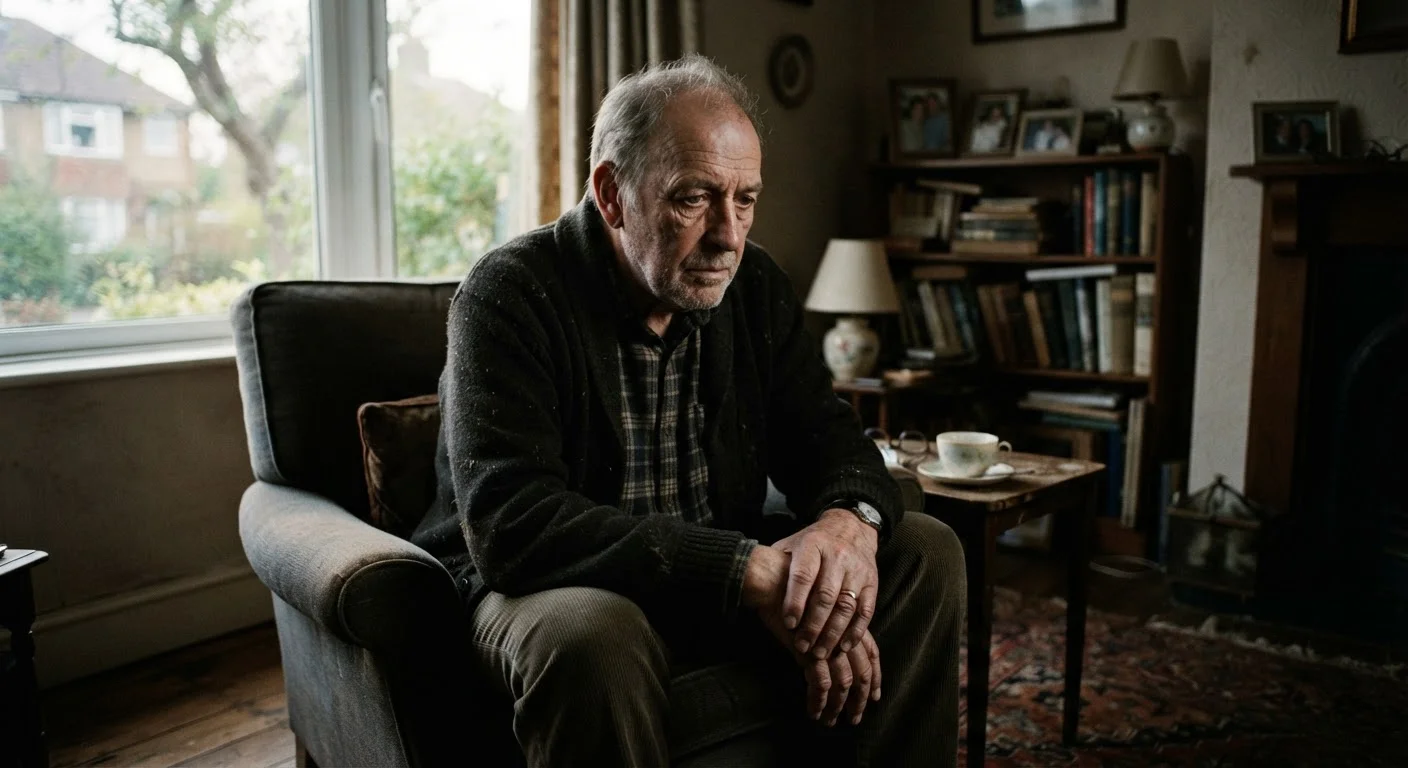
Why Men Dismiss Hormonal Symptoms in the First Place
There is a widespread cultural assumption that slowing down, feeling less motivated, and losing interest in sex are simply what getting older looks like for men. This belief is understandable — some physical changes do accompany aging — but it becomes a problem when it prevents men from reporting symptoms that could have a treatable underlying cause.
Testosterone levels do decline with age, typically beginning in a man's 30s and continuing gradually over subsequent decades. However, clinically significant hormonal changes — sometimes referred to as late-onset hypogonadism — are not the same as the ordinary, gradual shifts most men experience. The distinction matters, and it is one that a doctor is far better positioned to make than a man who has simply decided his symptoms are normal.
Men also tend to underreport health concerns in general. Research consistently shows that men visit primary care physicians less frequently than women and are more likely to minimize symptoms. When fatigue or low mood is framed as a character trait rather than a health signal, the opportunity for meaningful evaluation slips away. For a broader look at how aging symptoms can be misread, see warning signs older adults often mistake for normal aging.
Common Mistakes Men Make With Hormonal Symptoms
The following patterns represent the most frequent errors men make when interpreting age-related hormonal changes — and what to do instead.
Treating fatigue as a fixed feature of getting older rather than a symptom worth reporting.
Why it happens: Fatigue is so common in midlife and beyond that many men assume it is universal and unavoidable, making it seem pointless to mention to a doctor.
Attributing reduced libido entirely to relationship dynamics or psychological stress without considering hormonal factors.
Why it happens: Low sexual desire is often emotionally charged and men may feel more comfortable blaming external factors than acknowledging a possible physical cause.
Misreading muscle loss and increased body fat as inevitable consequences of aging rather than possible signs of hormonal change.
Why it happens: Body composition does shift with age, so it can be difficult to distinguish normal change from change that reflects a measurable hormonal deficit.
Assuming that because symptoms developed slowly, they are not clinically meaningful.
Why it happens: Men often use the gradual onset of symptoms as evidence that nothing is wrong — gradual change feels like a natural process rather than a health signal.
Avoiding the doctor because of concerns that a hormonal diagnosis carries stigma or implies weakness.
Why it happens: Cultural messaging around masculinity can make men reluctant to seek evaluation for symptoms they perceive as reflecting diminished vitality.
It is also worth noting that some medications can produce symptoms — fatigue, mood shifts, reduced libido — that closely resemble those of hormonal change. Before attributing everything to testosterone, it is worth reviewing any current prescriptions with a doctor. Learn more about how medication side effects are commonly overlooked or misattributed.
Mood and Cognitive Changes Deserve the Same Scrutiny
Hormonal shifts in older men are not limited to physical symptoms. Irritability, difficulty concentrating, low motivation, and a flattened emotional range are all reported by men with clinically low testosterone — yet these are among the least-discussed manifestations of hormonal change in this population.
Men who notice persistent changes in their mood or mental sharpness often attribute these to stress, life circumstances, or simply personality. While those factors are certainly valid, they should not automatically rule out a physiological contributor. Research on mood, cognition, and male hormones continues to identify associations worth discussing with a clinician.
Cardiac Symptoms Can Overlap With Hormonal Ones
Fatigue, reduced exercise tolerance, and mood changes can also be early indicators of cardiovascular issues — not just hormonal shifts. If you experience chest discomfort, shortness of breath, or jaw pain alongside these symptoms, seek prompt medical attention. Review cardiac warning signs older men often overlook to understand which symptoms warrant urgent care.
If mood changes feel more like persistent low mood or loss of interest in activities, it may be worth exploring whether clinical depression is a factor rather than — or alongside — hormonal change. The two can coexist. See how to distinguish depression from normal sadness in later life for more context.
This article provides general health information only and is not a substitute for advice from a qualified healthcare professional. Always consult your doctor about symptoms or health concerns.