Why Fall Prevention Belongs in Every Bone Health Conversation
When women are diagnosed with osteoporosis or low bone density, conversations often center on bone-building medications and calcium intake. These matter — but they address only part of the picture. A fracture requires two things: a vulnerable bone and a fall. Reducing fall risk is therefore not a secondary concern; it is a core bone health strategy.
According to the Centers for Disease Control and Prevention (CDC), falls are the leading cause of injury-related death among adults 65 and older in the United States. For women with osteoporosis, a single fall can mean a hip, wrist, or spinal fracture — injuries that carry significant consequences for independence and quality of life.
The good news is that falls are not inevitable. A growing body of evidence supports specific, practical interventions that meaningfully reduce fall frequency. Understanding which approaches have the strongest backing helps women — and the clinicians who support them — make informed decisions. See our evidence-backed balance exercises for a practical starting point.
Evidence-Backed Practices That Reduce Fall Risk
Research consistently shows that no single intervention works in isolation. The most effective fall-prevention programs combine several strategies tailored to the individual. Below are the approaches with the strongest evidence base.
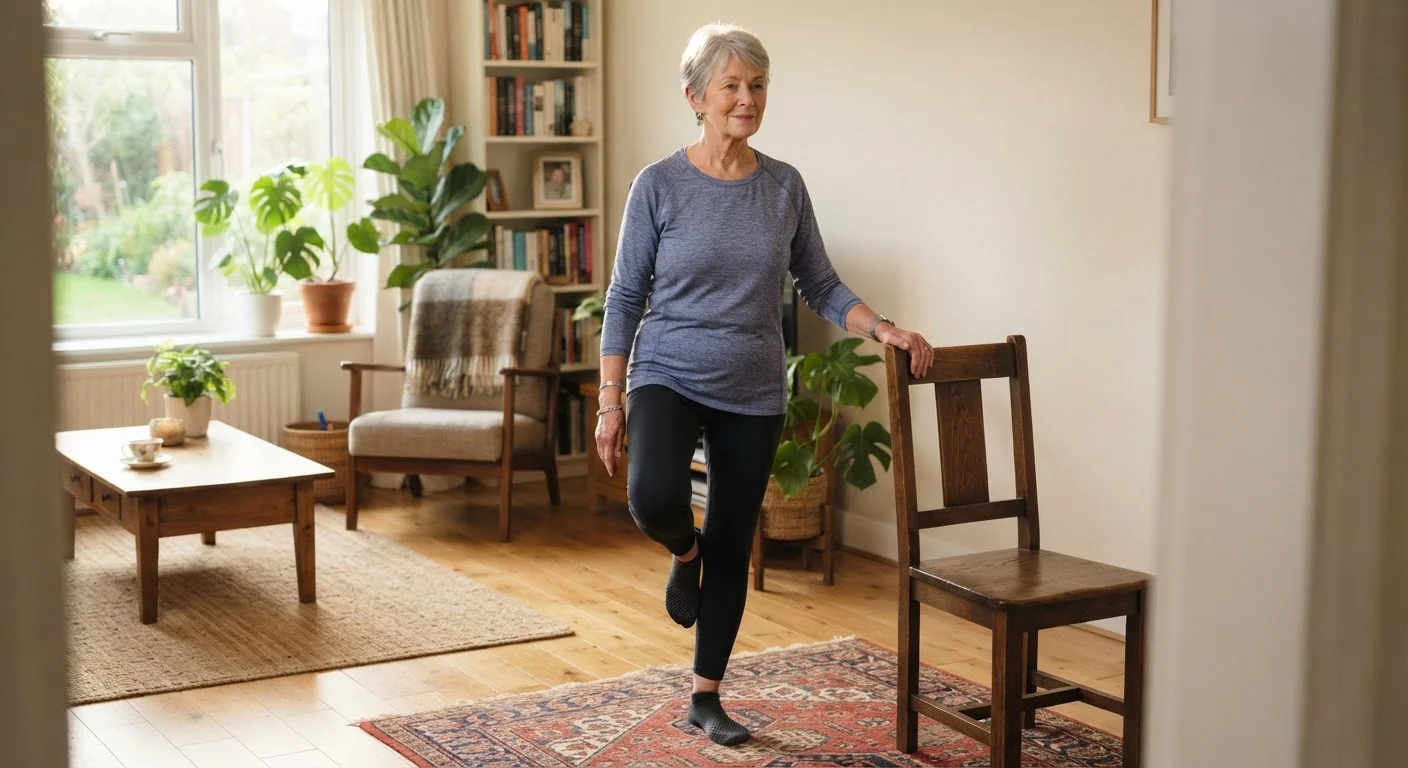
Engage in structured balance and strength training at least twice per week.
Meta-analyses, including a widely cited Cochrane review, consistently show that exercise programs emphasizing balance and lower-body strength reduce fall rates among older adults by roughly 23%. These programs improve proprioception — the body's sense of its own position — and strengthen the muscles needed to catch yourself before a fall becomes a fracture.
Request a medication review from your healthcare provider, especially if you take four or more medications.
Polypharmacy — the use of multiple medications simultaneously — is one of the most significant and modifiable fall risk factors in older adults. Sedatives, blood pressure medications, and certain antidepressants can impair balance, reaction time, and alertness, increasing the likelihood of a fall.
Complete a professional home hazard assessment and remove or modify identified risks.
Roughly half of all falls in older adults occur at home, and many involve environmental hazards that are entirely preventable. Loose rugs, poor lighting, lack of bathroom grab bars, and cluttered pathways all contribute to fall risk that exercise alone cannot offset.
Have your vision checked annually and update corrective lenses as needed.
Impaired vision is an independent risk factor for falls that is frequently overlooked in bone health discussions. Depth perception, contrast sensitivity, and peripheral vision all decline with age and can make it difficult to detect uneven surfaces or obstacles in time to react.
Discuss vitamin D status with your healthcare provider, particularly if you have limited sun exposure.
Vitamin D plays a role in muscle function as well as bone mineralization. Some evidence suggests that adequate vitamin D levels support the muscle strength needed for balance and coordination, though the research on supplementation and fall prevention alone remains more nuanced.
“The most effective fall-prevention interventions are those that address multiple risk factors simultaneously — exercise, medication review, and environmental modification each contribute, but the combination is where the real benefit is seen.”
— Monika Scheffer, Geriatric physiotherapist and fall-prevention researcher
Quick Actions You Can Take Now
While a comprehensive fall-prevention plan involves your healthcare team, several steps can be taken right away to reduce your risk at home and in daily life.
Fall Prevention Is Part of a Broader Strategy
Protecting your bones involves both preserving bone density and reducing the circumstances that lead to fractures. Nutrition, exercise, and fall prevention work together. For a fuller picture of how daily habits support skeletal health, see our guide to lifestyle habits for heart and bone health. Older women with existing bone conditions or a history of falls should discuss a personalized plan with their healthcare team.
This article is for general informational purposes only and is not a substitute for personalized medical advice. Please consult a qualified healthcare professional before starting any new exercise program or making changes to your care plan.