
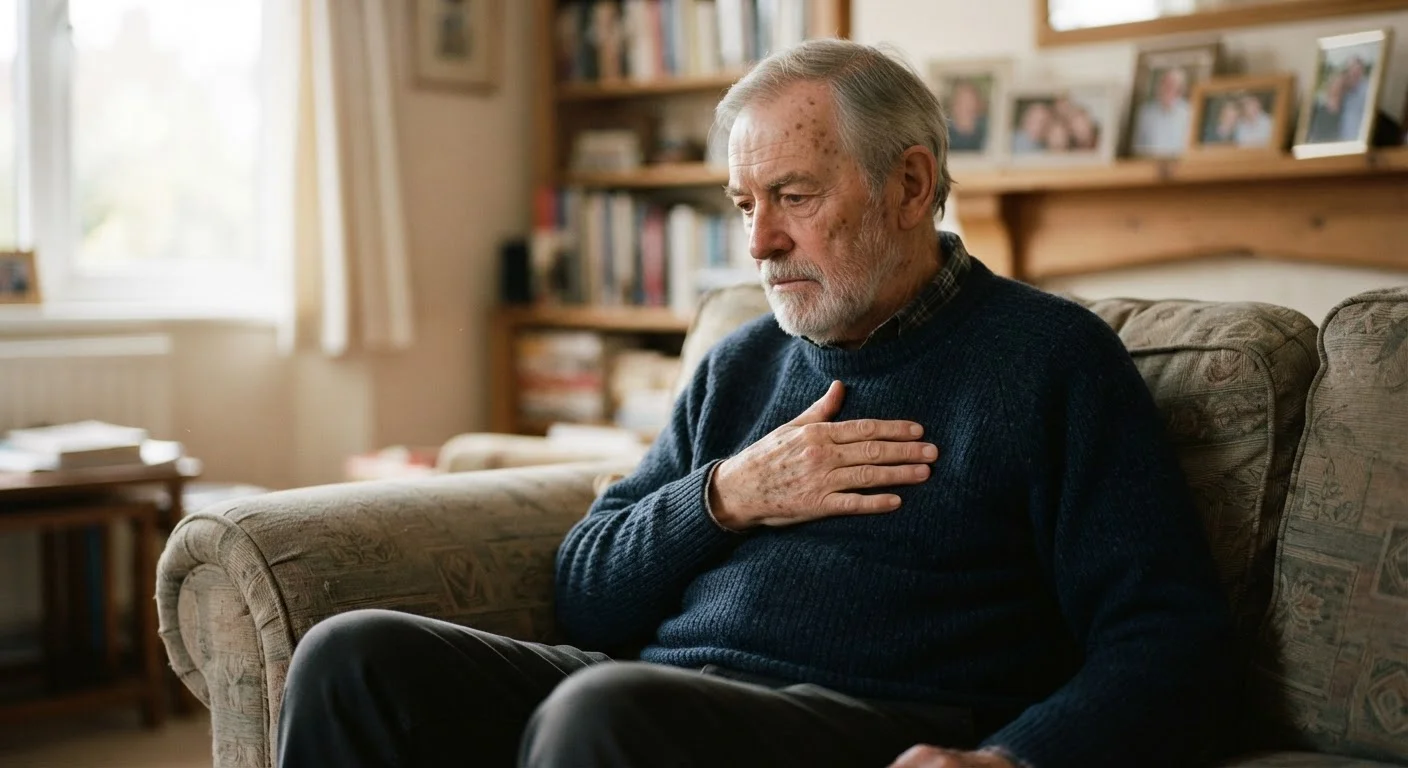
Why Older Men Miss the Warning Signs
Cardiac events rarely announce themselves with textbook symptoms. For older men in particular, the warning signals that precede a heart attack or other serious cardiac episode are often subtle, intermittent, and easy to rationalize away. This is not a character flaw — it is a reflection of how atypical cardiac symptoms genuinely are, and how effectively they mimic everyday complaints.
Understanding which mistakes lead to dangerous delays is among the most practical steps a man can take to protect his heart. As explained in our guide to common misconceptions about heart disease in men, the belief that heart attacks always feel dramatic and unmistakable is itself one of the most harmful myths in cardiovascular health.
Subtle Symptoms Are Still Emergency Signals
Not every cardiac event begins with dramatic crushing chest pain. Older men are more likely to present with atypical symptoms such as fatigue, nausea, or upper back discomfort. Dismissing these as digestive issues or muscle strain can cause dangerous delays. When in doubt, seek medical evaluation rather than waiting.
The Most Consequential Mistakes — and How to Correct Them
The following patterns appear repeatedly among men who delay evaluation before a cardiac event. Recognizing them in your own behavior — or in someone close to you — could be a critical intervention.
Attributing unexplained fatigue to aging or overexertion rather than considering a cardiac cause.
Why it happens: Fatigue is so common in older adults that it rarely triggers concern. Men often associate tiredness with a busy week, poor sleep, or simply getting older.
Ignoring jaw, neck, or shoulder discomfort that is not accompanied by obvious chest pain.
Why it happens: Most people associate heart attacks with intense chest pressure, so pain in other areas is often attributed to dental problems, muscle tension, or arthritis.
Dismissing shortness of breath during mild activity as a sign of being out of shape.
Why it happens: Reduced exercise tolerance is common as men age, and many assume breathlessness simply reflects deconditioning rather than a potential cardiac or pulmonary issue.
Waiting hours or overnight before seeking help when symptoms appear, hoping they will pass.
Why it happens: Men are statistically more likely to delay seeking care, often due to reluctance to appear overly cautious or to disrupt daily plans. Symptoms that come and go can reinforce the belief that nothing serious is happening.
Assuming that because previous checkups were normal, new symptoms cannot be cardiac.
Why it happens: A clean bill of health at a recent appointment can create a false sense of security, leading men to rationalize away new or changing symptoms.
When to Call Emergency Services Immediately
If you or someone you know experiences sudden chest pressure, pain radiating to the arm or jaw, severe shortness of breath, or loss of consciousness, call 911 immediately. Do not drive yourself to the hospital or wait to see if symptoms resolve. Time to treatment is one of the most critical factors in cardiac outcomes. These symptoms constitute a medical emergency.
It is also worth noting that some cardiac symptoms overlap with signs attributed to hormonal changes or general aging. Our article on misreading hormonal symptoms as normal aging addresses how this confusion can delay care across multiple health concerns.
Building Awareness as a Preventive Strategy
Symptom awareness is not about creating anxiety — it is about replacing vague unease with specific, actionable knowledge. Men who understand what atypical cardiac symptoms look like are better equipped to act quickly and communicate clearly with emergency responders and physicians.
~50%
Heart attacks with atypical symptoms
Research published in cardiology literature suggests a substantial proportion of heart attacks present without classic chest pain, particularly in older patients.
4–6 hours
Average patient delay before seeking care
Studies indicate that many patients wait several hours after symptom onset before calling for emergency assistance, reducing the effectiveness of time-sensitive treatments.
2x
Increased risk with multiple overlooked risk factors
Older men managing conditions such as hypertension, diabetes, and elevated cholesterol simultaneously face compounded cardiac risk according to cardiovascular health guidelines.
Sharing this knowledge with a partner or close family member is also valuable. Bystanders frequently notice behavioral changes — unusual pallor, sudden quietness, complaints about indigestion that seem out of character — before the affected person takes them seriously. Interestingly, some warning signs are more thoroughly described in the context of other populations; see our related piece on heart attack warning signs women frequently dismiss for a comparative perspective on atypical presentations.
If you are unsure how your personal risk profile compares to general cardiovascular benchmarks, a primary care or cardiology appointment is the right starting point. Do not rely on online tools or symptom checkers as substitutes for professional evaluation. Additionally, some warning signs that feel cardiac may overlap with other conditions; our article on warning signs older adults mistake for normal aging offers useful context for distinguishing between them.
This article is for general informational and educational purposes only and is not a substitute for professional medical advice, diagnosis, or treatment. Always consult a qualified healthcare provider with any questions you may have regarding a medical condition or symptoms.