
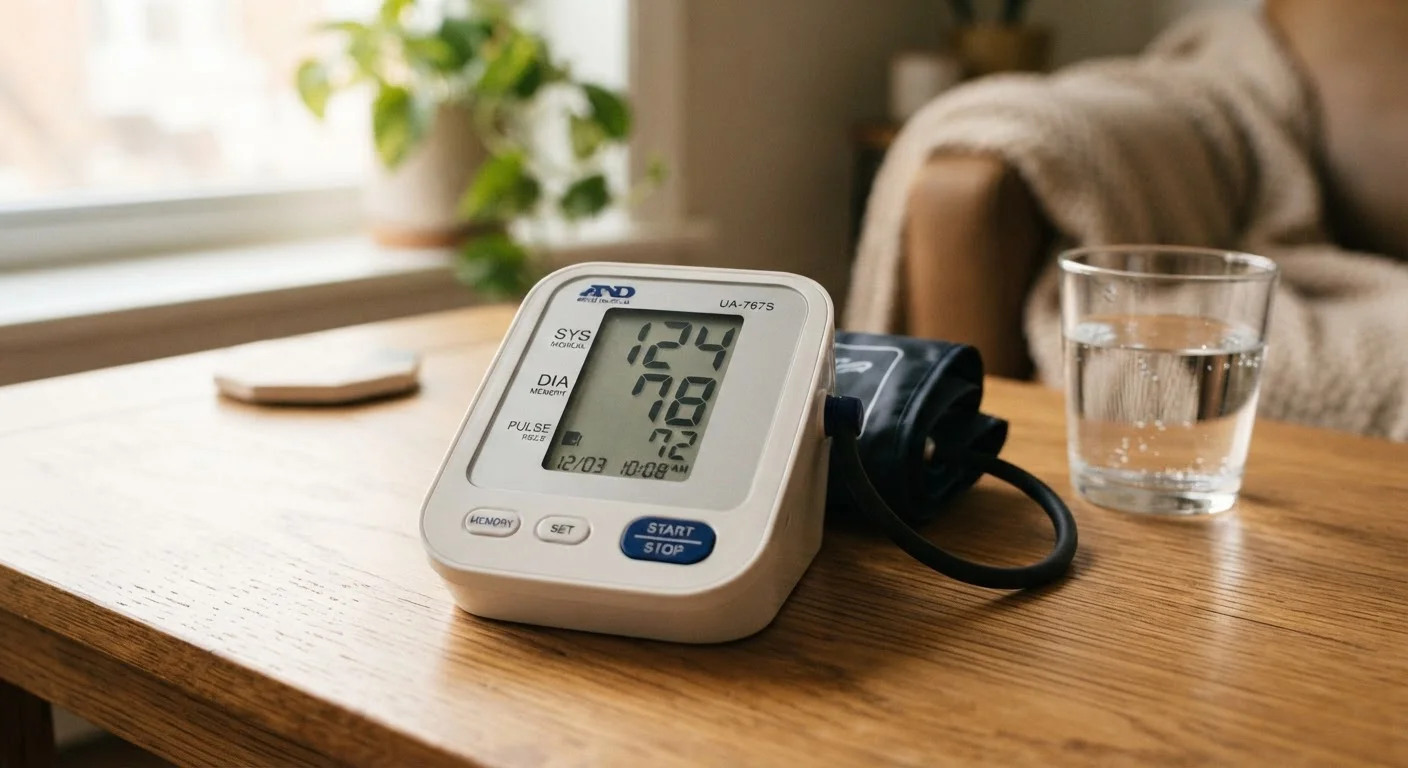
The Two Numbers: Systolic and Diastolic
Every blood pressure reading contains two values separated by a slash. The systolic pressure — the top number — records the force your blood exerts against artery walls when your heart contracts and pumps blood outward. The diastolic pressure — the bottom number — captures the pressure when the heart relaxes between beats and refills with blood.
Both numbers matter. For decades, systolic pressure was considered the more important marker, particularly in older adults. Current clinical guidance treats both as meaningful indicators of cardiovascular health. A reading of 120/80 mmHg is commonly used as the benchmark for normal. Readings between 120–129 systolic with a diastolic below 80 fall into an "elevated" category, and anything at or above 130/80 is generally classified as hypertension (high blood pressure) by major cardiovascular guidelines.
Just as cholesterol values each tell a different story, your systolic and diastolic numbers are distinct signals — not interchangeable parts of one measurement.
47%
U.S. adults living with hypertension
According to the Centers for Disease Control and Prevention (CDC), nearly half of American adults have high blood pressure, yet many are unaware or undertreated.
130/80 mmHg
Hypertension threshold per ACC/AHA guidelines
The American College of Cardiology and American Heart Association define hypertension as a sustained reading at or above 130/80 mmHg in adults.
60+ mmHg
Pulse pressure associated with arterial stiffness
A pulse pressure consistently above 60 mmHg is considered wide and may reflect reduced arterial elasticity, particularly in adults over 60.
Pulse Pressure: The Number Nobody Talks About
Subtract your diastolic reading from your systolic and you get your pulse pressure. For a reading of 120/80, that's 40 mmHg — a healthy range. A pulse pressure consistently above 60 mmHg can indicate that the large arteries have lost some of their natural elasticity, a condition sometimes called arterial stiffness.
Arterial stiffness tends to increase with age. When arteries become less flexible, the heart must work harder to push blood through, which can drive systolic pressure higher while diastolic remains stable or even falls. This pattern — known as isolated systolic hypertension — is the most common form of high blood pressure in men over 60.
A wide pulse pressure does not diagnose a condition on its own, but it is a signal worth discussing with your doctor, particularly if you are already monitoring cardiovascular risk factors.
Measure Blood Pressure the Right Way
For the most accurate home reading, sit quietly for five minutes before measuring, keep your feet flat on the floor, and position the cuff at heart level. Avoid caffeine, exercise, and smoking for at least 30 minutes beforehand. Take two readings about one minute apart and record both — your doctor will find the pattern more useful than any single number.
What Causes Readings to Fluctuate?
Blood pressure is not a fixed number. It shifts throughout the day in response to physical activity, stress, caffeine, posture, and even conversation. Morning readings tend to be higher than mid-afternoon readings. A stressful encounter in the waiting room can temporarily spike numbers — a phenomenon known as white-coat hypertension.
This is why a single elevated reading at a routine visit rarely leads to an immediate diagnosis. Doctors typically look for consistently elevated readings across multiple visits, or use home monitoring data collected over weeks. If you are asked to monitor at home, measuring at the same time each day, after five minutes of rest, and with proper cuff placement gives the most reliable results.
Lifestyle factors play a direct role in both short- and long-term readings. Daily habits — from sleep quality to sodium intake — have meaningful effects on blood pressure over time. Similarly, sodium's relationship with blood pressure is real but more nuanced than most people assume.
When Numbers Require Action
High blood pressure — hypertension — earns its reputation as a "silent" condition because it rarely produces noticeable symptoms, even at dangerous levels. Yet sustained elevated pressure damages the inner lining of arteries, contributes to plaque buildup, strains the heart muscle, and increases risk of stroke and kidney disease.
If your readings consistently fall in the hypertension range, your doctor will consider the full picture: age, existing conditions, other lab values, and lifestyle. Treatment may begin with structured lifestyle modification or, when indicated, medication. Different classes of blood pressure medications work through entirely different mechanisms — understanding the options helps you have a more productive conversation with your provider.
Numbers in isolation never tell the whole story. Your blood pressure reading is one piece of a larger cardiovascular picture, alongside cholesterol panels, blood glucose, weight, and family history. Bring your readings to your next appointment, ask questions, and use the numbers as a starting point — not a verdict.
This article is for general informational and educational purposes only. It is not a substitute for professional medical advice, diagnosis, or treatment. Always consult a qualified healthcare provider with any questions you have about your blood pressure or cardiovascular health.