
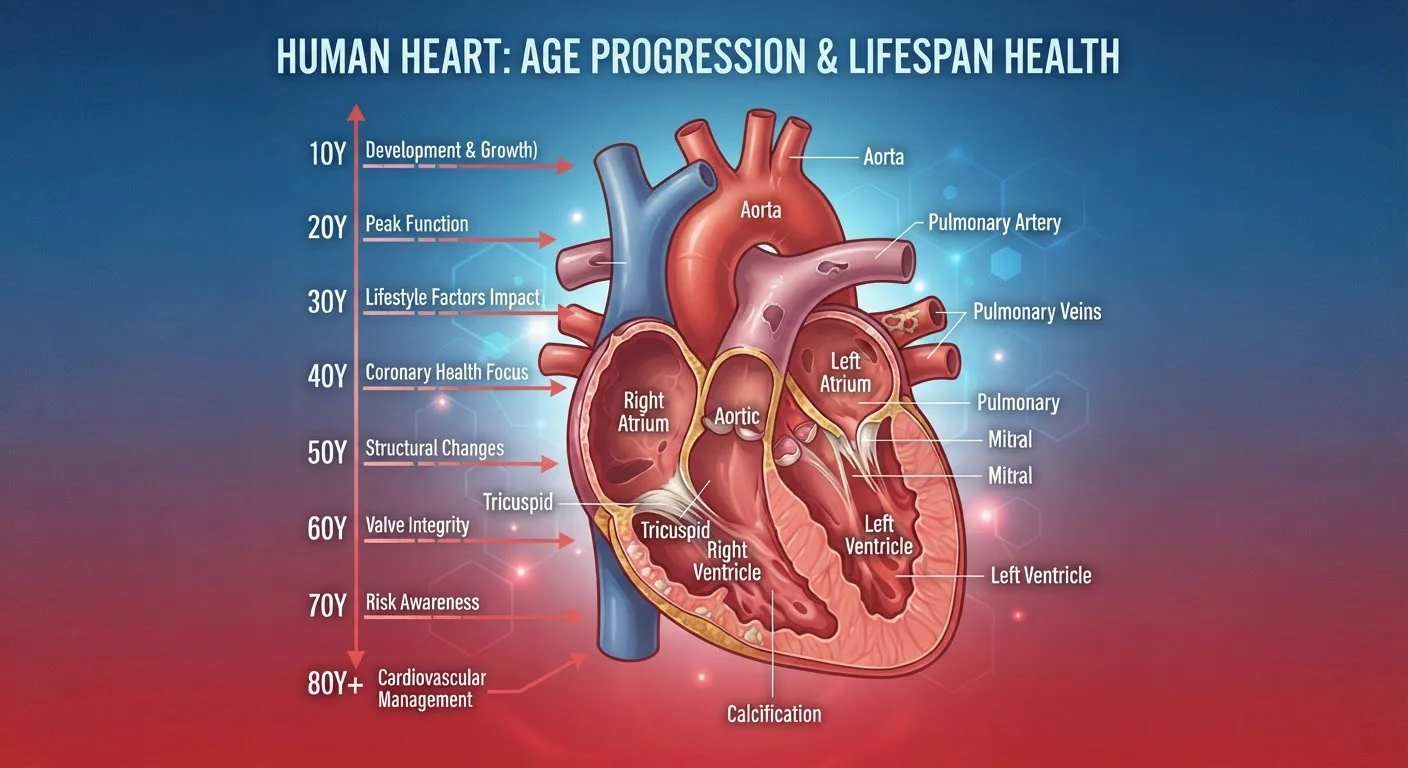
Why Hormones and Heart Health Are Linked
The heart is not an isolated organ. It responds to signals from throughout the body, and hormones are among the most powerful of those signals. Testosterone, for instance, influences red blood cell production, blood vessel tone, inflammation, and the distribution of body fat — all factors that bear directly on cardiovascular risk.
Research consistently shows that men with very low testosterone levels tend to have a higher prevalence of metabolic syndrome, type 2 diabetes, and elevated blood pressure — all established heart disease risk factors. However, whether low testosterone causes these conditions or is a marker of underlying poor health remains an active area of scientific debate. The relationship is bidirectional and complex.
Testosterone is not the only hormone at play. Cortisol, growth hormone, thyroid hormones, and DHEA all influence cardiovascular function in meaningful ways. See our overview of hormones beyond testosterone for a fuller picture of how these shifts unfold.
1–2%
Annual testosterone decline after age 30
Based on data from multiple endocrinology studies tracking testosterone levels across the male lifespan.
#1
Leading cause of death in U.S. men
Heart disease has remained the top cause of male mortality in the United States, according to CDC vital statistics data.
~40%
Of men over 45 have low testosterone
Estimates vary, but studies suggest a substantial proportion of middle-aged men have levels below the normal clinical range.
The 30s and 40s: Gradual Shifts Begin
Testosterone production typically peaks in a man's late teens and early 20s, then begins a slow, steady decline — roughly 1–2% per year after age 30, according to research published in major endocrinology journals. For most men in their 30s and 40s, this decline is subtle enough that symptoms are minimal or absent.
From a cardiovascular standpoint, this is an important window. Arterial stiffness, early plaque formation, and rising blood pressure can begin to develop quietly during these decades, often driven by lifestyle factors such as diet, physical inactivity, chronic stress, and poor sleep. Hormonal changes compound these risks gradually.
Visceral fat — the metabolically active fat stored around the abdomen — tends to increase as testosterone falls. This fat type is particularly linked to inflammation and insulin resistance, both of which elevate heart disease risk. Our article on body composition and the hormonal connection explains this process in detail.
Track your waist circumference over time, not just your weight. Increasing abdominal girth in your 40s is often an early signal of shifting hormonal balance and rising metabolic risk — worth discussing at your next annual visit.
Visceral fat accumulation is closely tied to declining testosterone and is an independent predictor of cardiovascular disease, making it a practical, low-cost monitoring tool.
Ask your doctor to check thyroid function alongside testosterone when investigating fatigue or unexplained weight changes. These hormonal systems interact and both influence heart health.
Hypothyroidism and low testosterone share overlapping symptoms and can compound each other's cardiovascular effects — evaluating both provides a more complete clinical picture.
The 50s: Accelerating Change and Growing Risk
For many men, the 50s bring a more noticeable hormonal transition. Testosterone decline may steepen for some individuals, and the cumulative effects of years of modest change can become clinically significant. Simultaneously, cardiovascular risk rises sharply in this decade: heart disease remains the leading cause of death among men in the United States, and incidence increases substantially after age 50.
Cortisol, the body's primary stress hormone, warrants attention here as well. Chronic elevation of cortisol — driven by sustained psychological or physiological stress — promotes arterial inflammation and raises blood pressure. The connection between stress, cortisol, and your cardiovascular system is an important piece of this picture that goes beyond testosterone alone.
Sleep disturbances also become more common in the 50s, forming a feedback loop: poor sleep disrupts hormonal regulation, and hormonal imbalances can worsen sleep quality. Evidence consistently links shortened or fragmented sleep to elevated cardiovascular risk, as explored in our guide on sleep and cardiovascular risk for older men.
Don't Attribute Symptoms Solely to 'Getting Older'
Fatigue, reduced exercise tolerance, or chest discomfort in your 50s should be evaluated by a clinician rather than dismissed as inevitable aging. These symptoms can have treatable hormonal and cardiovascular causes. Early assessment leads to better outcomes than waiting until symptoms become severe.
The 60s and Beyond: Managing Compounding Factors
By the 60s and 70s, most men have testosterone levels meaningfully lower than in youth, and the cardiovascular system has accumulated decades of wear. Arterial elasticity decreases, the heart muscle may thicken slightly, and blood pressure tends to rise. These changes are considered a normal part of aging, though their pace varies widely between individuals.
What becomes especially important at this stage is recognizing how multiple hormonal changes interact. Low thyroid function (hypothyroidism), which becomes more prevalent with age, can raise cholesterol levels and slow the heart rate in ways that increase cardiovascular burden. DHEA and growth hormone also decline substantially, affecting lean muscle mass, metabolic rate, and energy — all of which indirectly influence heart health.
For a comprehensive look at how the cardiovascular system changes structurally with age, see our complete overview of cardiovascular health in older men. Men in this age group should also discuss any new symptoms — fatigue, shortness of breath, palpitations — with their healthcare provider promptly rather than attributing them solely to aging.
Testosterone Therapy and Cardiovascular Risk: What the Evidence Shows
The question of whether testosterone replacement therapy (TRT) helps or harms the heart has been debated for years, and the research has evolved considerably. A landmark randomized trial published in the New England Journal of Medicine in 2023 — the TRAVERSE trial — found that TRT in middle-aged and older men with hypogonadism did not significantly increase major adverse cardiovascular events compared to placebo, though it was associated with higher rates of atrial fibrillation and pulmonary embolism.
This nuance matters. TRT is not uniformly safe or harmful — its cardiovascular effects depend heavily on the individual's baseline health, the presence of existing heart disease, dosing, and monitoring. It is a treatment decision that requires careful evaluation by a qualified clinician.
Our balanced look at testosterone replacement therapy outlines the current state of evidence in more detail. It is also worth understanding what distinguishes genuinely low testosterone from normal age-related decline — see low testosterone vs. normal age-related decline for that distinction.
TRT Is Not a One-Size-Fits-All Decision
Testosterone replacement therapy carries real potential benefits and real risks, including effects on cardiovascular health that vary by individual. The decision to pursue TRT should only be made after a thorough clinical evaluation, including cardiovascular risk assessment. Do not start, stop, or adjust any hormone therapy without direct guidance from a qualified healthcare provider.
Practical Steps at Every Age
While the hormonal changes of aging are not entirely preventable, their cardiovascular impact can be meaningfully influenced by consistent lifestyle choices. Research supports several habits as beneficial across all age groups:
- Regular aerobic and resistance exercise supports both testosterone maintenance and cardiovascular fitness.
- Adequate, quality sleep helps regulate hormonal output and reduces inflammatory stress on the heart.
- A diet rich in whole foods — particularly those that support healthy weight and insulin sensitivity — reduces visceral fat accumulation.
- Stress management curbs chronic cortisol elevation and its downstream effects on blood pressure and arterial health.
- Routine medical check-ins allow for early detection of hormonal and cardiovascular changes before they compound.
For evidence-based guidance on lifestyle habits that support hormonal balance, see habits that support healthy testosterone levels through the decades. And for a broader overview of how hormones shift after 50, our plain-language guide to hormonal changes in men after 50 provides helpful context.
Make Hormonal and Heart Health Part of One Conversation
At your next check-up, bring up both cardiovascular and hormonal health together rather than treating them as separate topics. Many clinicians now take an integrated approach to these systems. Preparing a brief list of symptoms — energy levels, sleep quality, weight changes — helps your provider connect the dots more efficiently.
This article is for general informational purposes only and does not constitute medical advice. Always consult a qualified healthcare professional regarding any symptoms, test results, or treatment decisions.