
Why These Two Minerals Matter So Much for Women
Blood pressure is one of the most important numbers in women's cardiovascular health — and two dietary minerals, sodium and potassium, have a measurable and well-documented influence on it. Understanding how they work, and how they work together, is a practical first step toward supporting a healthier heart.
For older women especially, this matters deeply. Hypertension becomes increasingly common after menopause, driven in part by hormonal changes that affect how blood vessels respond to fluid and salt. The triad of blood pressure, cholesterol, and inflammation collectively shape cardiovascular risk for women in ways that differ meaningfully from men.
| U.S. daily sodium limit (general adults) | Less than 2,300 mg (2020–2025 Dietary Guidelines for Americans) |
| Adequate potassium intake (adult women) | 2,600 mg per day (National Academies of Sciences, Engineering, and Medicine) |
| Average U.S. sodium intake | ~3,400 mg per day (CDC, ongoing national dietary surveys) |
| Hypertension prevalence in women over 65 | Over 70% (American Heart Association Heart Disease and Stroke Statistics) |
| Sodium from processed/restaurant foods | Approximately 70% (FDA sodium reduction initiative data) |
| Blood pressure reduction from DASH diet | Up to 11 mmHg systolic (NEJM DASH trial findings) |
This article is for general health information and education. It is not a substitute for personalized medical advice. Please consult your healthcare provider about what dietary changes may be appropriate for your specific health situation.
Sodium: What It Does and Where It Hides
Sodium is an essential electrolyte — the body needs it to maintain fluid balance, support nerve function, and regulate muscle contractions. The problem is not sodium itself, but consistently consuming too much of it.
When sodium intake is high, the kidneys retain more water to dilute it. This extra fluid increases blood volume, which in turn raises the pressure inside arteries. Over time, sustained elevated pressure damages artery walls and strains the heart.
70%+
Women over 65 with hypertension
According to American Heart Association statistics, hypertension becomes the norm rather than the exception for women past age 65.
~3,400 mg
Average daily sodium consumed by U.S. adults
This is nearly 1,100 mg above the recommended limit of 2,300 mg, per ongoing CDC dietary surveys.
11 mmHg
Potential systolic reduction from DASH diet
Clinical trials published in the New England Journal of Medicine found the DASH eating pattern can lower systolic blood pressure meaningfully in people with hypertension.
The challenge is that roughly 70% of dietary sodium in the U.S. doesn't come from a salt shaker — it's embedded in processed foods, canned goods, bread, deli meats, condiments, and restaurant meals. Reading nutrition labels carefully is one of the most reliable ways to gauge actual intake. For a nuanced look at the evidence around salt and blood pressure, see how sodium's role in hypertension is real but varies by individual.
Not everyone's blood pressure responds equally to sodium — a trait called sodium sensitivity tends to increase with age and is more pronounced in some populations. This is one reason some people see a significant blood pressure drop when reducing sodium, while others see a smaller effect.
Potassium: The Balancing Mineral
Potassium works in a complementary and often underappreciated way. It helps the kidneys excrete more sodium, relaxes blood vessel walls, and counteracts some of sodium's pressure-raising effects. Research consistently shows that higher dietary potassium intake is associated with lower blood pressure, particularly in people who already consume significant sodium.
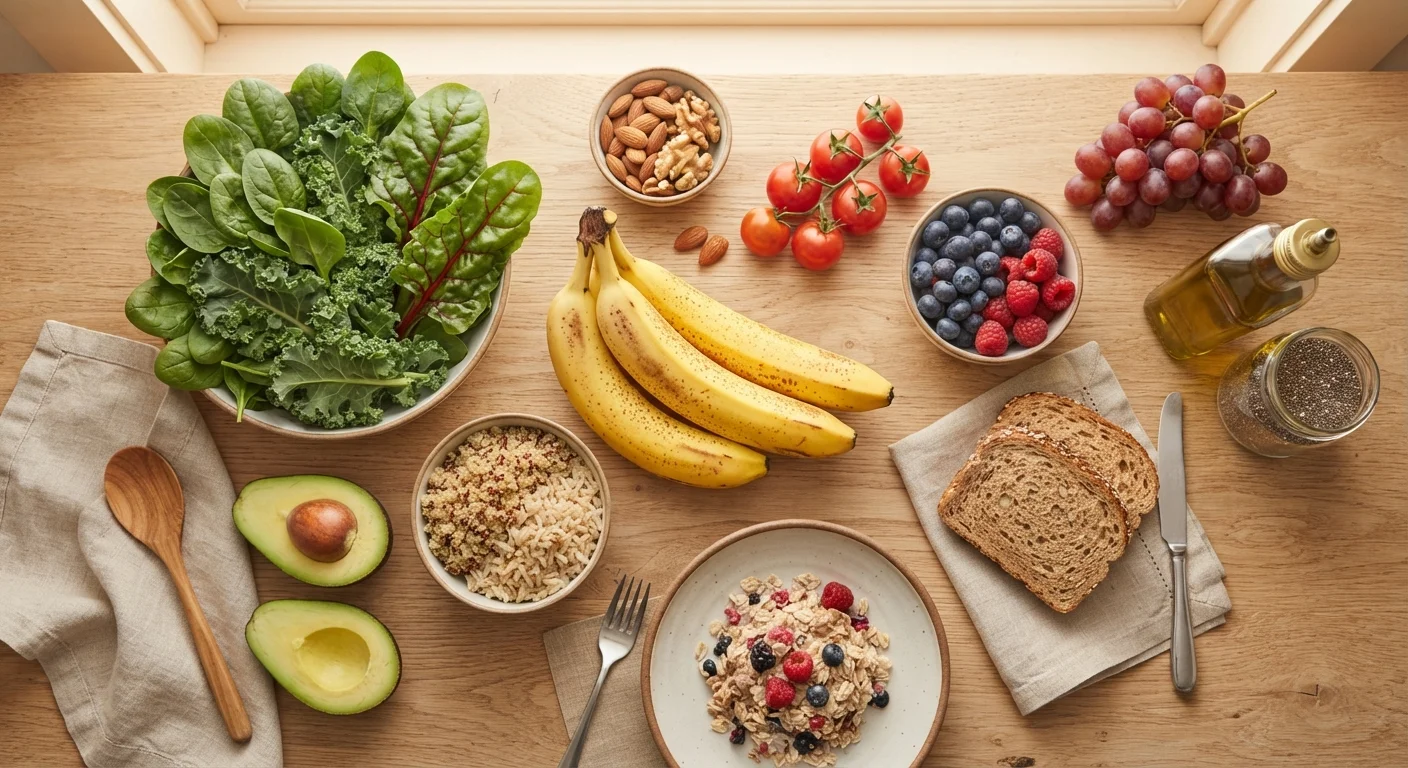
Most Americans — including older women — consume far less potassium than recommended. Whole food sources rich in potassium include bananas, sweet potatoes, white beans, spinach, avocado, yogurt, and salmon. These foods also offer fiber, protein, and other nutrients that support overall cardiovascular health.
Potassium Supplements Require Medical Guidance
While dietary potassium from whole foods is safe for most people, potassium supplements are a different matter. High supplemental doses can be dangerous, particularly for people with kidney disease or those taking certain blood pressure medications. Always speak with a healthcare provider before adding any supplement to your routine.
The sodium-to-potassium ratio in the diet may matter as much as either mineral alone. A pattern high in sodium and low in potassium creates a compounding effect on blood pressure that neither mineral in isolation fully explains. This is part of why dietary patterns — rather than single nutrients — tend to show the strongest results in clinical research.
Putting It Into Practice
The DASH diet — Dietary Approaches to Stop Hypertension — is the most extensively studied eating pattern for blood pressure management. It emphasizes fruits, vegetables, whole grains, and low-fat dairy while limiting sodium, saturated fat, and added sugars. Clinical evidence supports meaningful systolic blood pressure reductions for people who follow it consistently.
Practical everyday steps that align with this evidence include choosing low-sodium versions of canned or packaged foods, cooking more meals at home where sodium is easier to control, and building meals around potassium-rich vegetables and legumes. For a broader view of lifestyle factors that support blood pressure over time, see daily habits that support healthy blood pressure.
Women managing other aspects of bone and mineral health may find it useful to explore how related nutrients interact — including calcium and vitamin D's role in bone health for older women. When blood pressure remains elevated despite dietary changes, medications may be considered — learn more about how different blood pressure medications work.
DASH Eating Plan Overview
The National Heart, Lung, and Blood Institute provides a detailed, evidence-based overview of the DASH diet, including meal examples and sodium targets tailored to different health goals.
FDA Nutrition Facts Label Guide
The FDA's plain-language explainer helps readers interpret the sodium content listed on food packaging, making it easier to manage daily intake without guesswork.
American Heart Association Heart Health Tools
The AHA offers calculators and trackers to help women understand cardiovascular risk factors, including blood pressure monitoring and dietary sodium awareness.
This article is for informational and educational purposes only and does not constitute medical advice. Always consult a qualified healthcare professional before making changes to your diet, medications, or health routine.